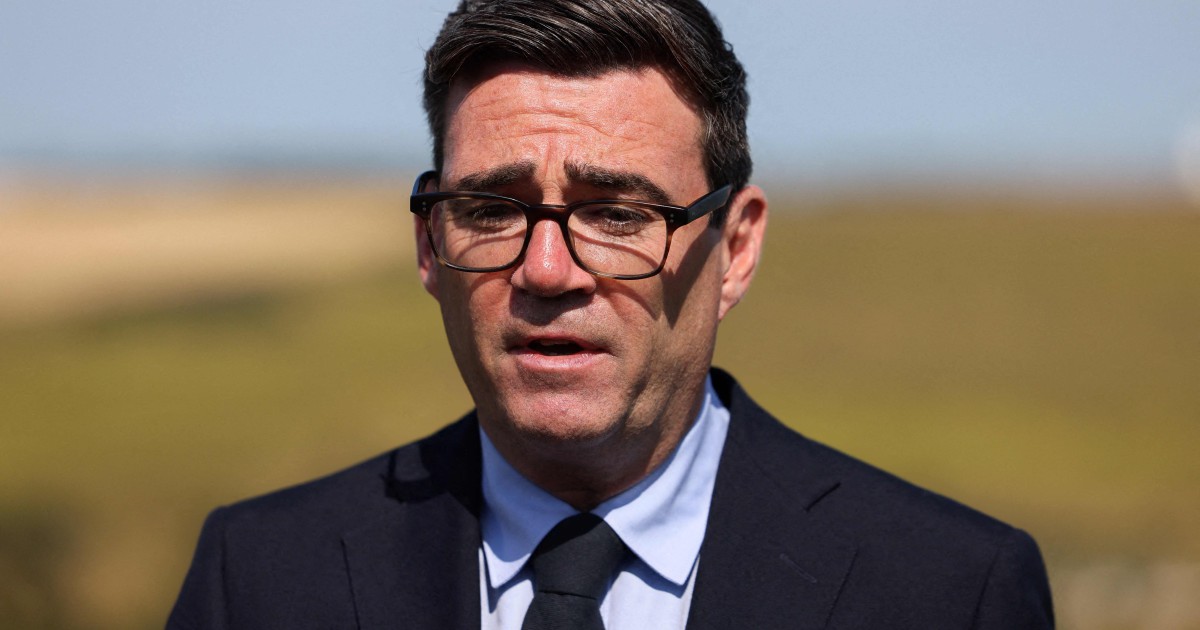
British Prime Minister Andy Burnham is examining the feasibility of launching a formal public inquiry into the conduct of convicted sex offender Jeffrey Epstein within UK territory, victims minister Alex Davies-Jones revealed in an interview with the BBC. The announcement signals potential movement on a long-standing issue that has drawn scrutiny from survivors' advocates and lawmakers concerned about the full scope of Epstein's operations across British borders.
The consideration of such an inquiry reflects growing international pressure to examine how Epstein conducted his criminal activities across multiple jurisdictions. Unlike criminal prosecutions, which focus narrowly on specific prosecutable offences, public inquiries typically cast a wider net to understand systemic failures, identify any institutional involvement, and recommend policy reforms. This approach has become increasingly common in the UK for investigating high-profile scandals involving abuse and protection failures.
Epstein's connections to Britain have long been a matter of public concern. The American financier maintained a residence in London and moved in elite British circles, raising questions about who may have facilitated, known about, or benefited from his conduct while he operated in the country. A public inquiry framework would allow investigators to compel documents and testimonies that might not be accessible through ordinary criminal procedures, potentially illuminating networks and relationships that remain obscure.
Victims and their representatives have increasingly called for transparency regarding Epstein's British activities. Many survivors feel that authorities have inadequately addressed the harm perpetrated through operations spanning multiple countries. An inquiry mechanism offers a venue for survivors' voices to be heard formally and could establish an official record of what occurred on British soil, even if individual perpetrators or facilitators cannot be prosecuted under existing law.
The timing of this consideration reflects the government's broader commitment to strengthening victim protections and addressing historical institutional failures. The establishment of Davies-Jones as victims minister itself represents an acknowledgement that victim advocacy requires dedicated political attention. Her comments to the BBC suggest that the Prime Minister's office is taking such concerns seriously at the highest level, though moving from consideration to formal announcement requires careful assessment of scope, resources, and objectives.
Several practical questions remain unresolved before any inquiry could be launched. Officials must determine which specific allegations or time periods would be examined, who would chair such an inquiry, and what investigative powers would be necessary. Public inquiries in the UK can become lengthy and costly undertakings; the Saville Inquiry into child abuse in institutional settings, for example, took more than a decade to complete. Balancing thoroughness with reasonable timescales presents a significant challenge.
For Southeast Asian readers, the case carries broader significance regarding international cooperation on financial crimes and abuse. Epstein's operations demonstrated how wealthy individuals can exploit weak coordination between national authorities, and how offshore financial arrangements can obscure criminal activities. Malaysia, like other regional economies, has strengthened anti-corruption and financial transparency measures partly in response to high-profile cases revealing how international networks facilitate wrongdoing across borders.
The British inquiry would likely intersect with broader international investigations already underway. American authorities have pursued related matters, and multiple countries have examined their own jurisdictional exposure. An effective UK inquiry would need to coordinate findings and potentially share investigative results with counterparts elsewhere, establishing precedents for how democracies handle transnational abuse cases. This coordination dimension matters for regional governments developing their own frameworks for addressing international criminal networks.
Inquiries of this nature also frequently examine whether regulatory, law enforcement, or intelligence agencies possessed information that went unacted upon. Such examinations can be uncomfortable for government institutions, as they may reveal organisational failures or resource constraints that impeded effective investigation. The willingness to conduct such an inquiry despite these potential exposures suggests genuine commitment to accountability, though the actual scope and independence of any inquiry will ultimately determine its credibility with survivors and the public.
The question of political will remains paramount. Previous British governments have faced similar calls for expanded investigations into historical abuse cases, and implementation has been inconsistent. Davies-Jones's public statement keeps the issue visible and suggests current government attention, but converting consideration into action requires sustained political commitment and allocation of budgetary resources. How quickly the government moves from examination to decision will signal whether this represents substantive policy change or procedural acknowledgement that may ultimately lead nowhere.
Survivors and advocacy organisations are likely to scrutinise whatever inquiry framework eventually emerges. They will assess whether it addresses the specific allegations and institutions they believe warrant investigation, whether it provides adequate opportunity for victims to contribute to proceedings, and whether recommendations can realistically influence policy and institutional practice. An inquiry that ignores survivor input or fails to examine crucial areas risks being perceived as performative rather than genuinely investigative.

