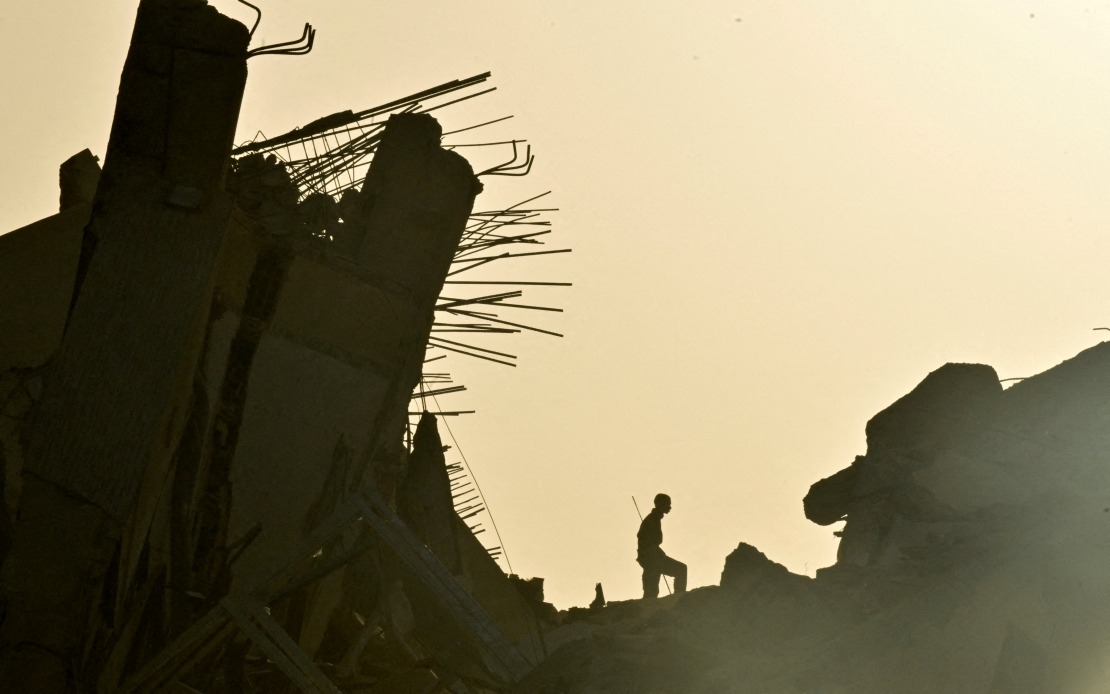
International humanitarian efforts have intensified following a series of powerful earthquakes that struck Venezuela, with British charitable organisations spearheading a major fundraising campaign that has already surpassed £10 million (approximately US$13.4 million) in just days. The Disasters Emergency Committee, an umbrella body representing twelve of the UK's leading aid organisations, initiated its appeal on Wednesday to mobilise resources for the stricken nation, and the rapid accumulation of funds demonstrates widespread public commitment to alleviating the crisis.
The scale of British generosity has exceeded initial expectations, reflecting both the severity of the humanitarian situation unfolding in Venezuela and the British public's responsiveness to international disaster appeals. The DEC structure pools resources and expertise from member charities including the International Rescue Committee, British Red Cross, Oxfam, and Save the Children, enabling coordinated deployment of aid across affected regions. This collaborative approach has proven effective in previous disasters, combining fundraising reach with operational capacity on the ground.
On-the-ground operations have commenced with urgency, as participating charities and their local partner organisations work continuously to deliver essential services to displaced and affected populations. Shelter provision remains a critical priority, particularly for those rendered homeless by structural collapse. Simultaneously, water sanitation programmes are being implemented to prevent disease outbreaks, a common secondary threat following major seismic events. Medical teams are triaging injured survivors and establishing emergency clinics, whilst food distribution networks are being activated in coordination with local authorities.
Actress Adjoa Andoh, serving as ambassador for the International Rescue Committee, fronted the public launch of the campaign and articulated the urgency of the response. Her endorsement carries particular weight in mobilising donations, as celebrity involvement in such appeals often catalyses additional contributions from audiences and networks. Andoh's statement emphasising the "astonishing" generosity of British donors reflects both gratitude and recognition that sustained funding is essential, as earthquake recovery typically unfolds over months or years rather than weeks.
The £10 million milestone is significant within the context of UK disaster appeals, though it remains early in the fundraising cycle. Historical precedent suggests that major humanitarian campaigns can extend for several months, with initial momentum crucial for establishing both immediate relief operations and longer-term reconstruction frameworks. The DEC has historically managed appeals following major disasters including the Indian Ocean tsunami, Pakistan floods, and Syrian humanitarian crisis, each generating substantial British public donations.
Venezuela's existing humanitarian crisis provides a sobering backdrop to the earthquake emergency. The nation has been grappling with economic collapse, political instability, and mass displacement for years, meaning existing infrastructure is already severely strained. Healthcare systems face acute shortages of medicines and equipment, water distribution networks are fragile, and housing shortages predate this disaster. Earthquake response must therefore navigate these pre-existing vulnerabilities, making external aid particularly critical.
The fundraising mechanism deployed by DEC allows British taxpayers to contribute through multiple channels including online donation platforms, text-to-donate schemes, and traditional bank transfers. Tax relief provisions typically apply, meaning charities can claim Gift Aid on qualifying donations, effectively increasing the value of contributions. This financial infrastructure, developed over decades, has become sophisticated in mobilising rapid response funding.
From a Southeast Asian perspective, the Venezuela earthquake response demonstrates the interconnected nature of global humanitarian systems and the role that established economies play in supporting crisis-affected regions. Malaysia, as a developing nation occasionally affected by seismic activity and as a contributor to international disaster relief through various mechanisms, can observe how organised multilateral charitable action functions. The DEC model offers lessons in coordinating multiple organisations toward common objectives without duplicating efforts or creating administrative overhead that diverts resources from beneficiaries.
Regional implications are worth considering as well. Southeast Asia sits within the Pacific Ring of Fire, exposing countries including Indonesia, Philippines, and Malaysia to seismic risks. The speed and effectiveness of international response mechanisms to Venezuelan emergencies establish expectations and precedents for how the global community would mobilise assistance were a major earthquake to strike Southeast Asia. Examining the DEC response provides insights into whether current international frameworks would adequately serve regional disaster victims.

