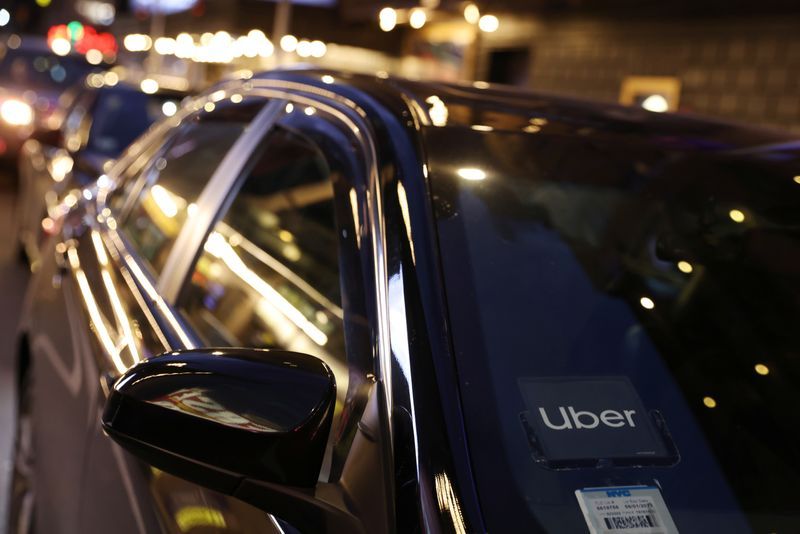
The ride-sharing giant Uber Technologies faces fresh legal trouble as its board of directors became the target of a shareholder derivative lawsuit filed in San Francisco federal court, with investors accusing the company's leadership of deliberately sidestepping compliance obligations that have spawned widespread litigation. The lawsuit, brought by shareholders including the Police and Fire Retirement System of the City of Detroit, alleges that board members and executives systematically disregarded internal and external warnings about driver-perpetrated sexual abuse, creating institutional vulnerabilities that exposed thousands of passengers to harm.
The complaint, filed on Monday, portrays Uber as what shareholders describe as a "serial compliance offender" whose operational culture has consistently prioritised rapid expansion and market dominance over safety protocols and regulatory adherence. According to the filing, these systematic failures have inflicted irreparable damage to the company's public reputation, compounded by extensive negative media coverage that has eroded consumer confidence in the platform's commitment to passenger security. This characterisation reflects a pattern of behaviour that extends well beyond isolated incidents, instead suggesting deliberate institutional choices that prioritised growth metrics over safeguarding measures.
Central to the shareholder complaint is the allegation that Uber's leadership received repeated warnings—both from within the organisation and from external oversight bodies—regarding the company's inadequate mechanisms for identifying and removing drivers with histories of sexual misconduct or abusive behaviour. Despite these documented alerts, the board apparently did little to fundamentally restructure safety protocols or implement more rigorous vetting procedures. The lawsuit documents that as of early June, Uber was defending itself in 3,571 separate sexual misconduct cases in litigation consolidated in the San Francisco court, a staggering figure that underscores the scale of the crisis.
Beyond sexual assault allegations, the shareholder action also implicates Uber in broader compliance failures documented by federal authorities. Last year, the United States government filed suit against the company, accusing it of systematically discriminating against passengers with disabilities by refusing service to individuals with service animals or those requiring stowable wheelchairs. The complaints further allege deceptive practices around billing charges and arbitrary ride cancellations. These separate legal actions, according to shareholders, demonstrate that oversight failures within the boardroom extended across multiple operational domains, suggesting a pervasive culture of regulatory non-compliance rather than isolated lapses.
Shareholders specifically contend that safety perception metrics have remained dire despite the company's awareness of public sentiment. Internal data presented to the board reportedly indicated that fewer than 40 per cent of Uber users actually believe the company takes passenger safety seriously—a damning indictment of the company's safety initiatives and communications strategy. This gap between Uber's investment in safety infrastructure and public perception suggests either that the company's efforts remain genuinely insufficient, or that the damage to its safety brand has become so entrenched that even legitimate improvements fail to restore consumer confidence.
The lawsuit names Chief Executive Dara Khosrowshahi among defendants, though the complaint acknowledges a contextual distinction between his leadership and that of his predecessor. Shareholders concede that Khosrowshahi has adopted a somewhat less aggressive posture toward regulatory boundaries during his nearly nine-year tenure as chief executive, yet argue that this relative moderation has not translated into genuine compliance improvements. Instead, the company has merely become "less brazen" in its approach while continuing to economise on compliance investments—a distinction without meaningful operational difference that speaks to the persistence of cultural norms prioritising cost-cutting over safety.
The derivative lawsuit seeks to compel directors to personally reimburse Uber for damages arising from their alleged breaches of fiduciary duty and violations of federal securities laws. This legal mechanism, which holds board members individually liable for corporate harm, represents an escalation in accountability pressure. Unlike typical shareholder suits challenging corporate decisions, derivative actions target the personal financial interests of directors, creating stronger incentives for future board vigilance regarding compliance matters.
For Southeast Asian investors and regulators monitoring global ride-sharing operations, the Uber case carries significant implications. Many regional economies have adopted regulatory frameworks modelled on or influenced by American precedents, and Uber operates across multiple Southeast Asian markets including Malaysia, Singapore, and Thailand. The company's compliance failures in the United States—particularly regarding sexual safety and disability discrimination—highlight vulnerabilities that may persist across its global operations. Regional regulators should scrutinise whether equivalent protections exist locally and whether Uber's global legal troubles signal systematic rather than jurisdictionally-isolated problems.
Uber's financial performance has already reflected investor anxiety about these governance failures. The company's share price has declined more than 25 per cent since reaching a peak in late September, eroding shareholder value even before accounting for potential damages from litigation and regulatory enforcement actions. This valuation decline suggests that markets recognise broader reputational and legal risks extending beyond the specific allegations in any single lawsuit.
The company's current defensive posture has extended to taking adversarial positions against regulation designed to enhance passenger protection. Earlier in June, Uber and competitor Lyft jointly challenged a New York City law intended to prevent ride-sharing platforms from retaining drivers with histories of violence or conduct threatening passenger safety. The legal challenge to safety-focused regulation, occurring simultaneously with mounting allegations of systematic safety failures, underscores the apparent tension between Uber's operational philosophy and public safety objectives. This positioning may further damage the company's credibility in ongoing negotiations with regulators worldwide, as it suggests prioritising driver retention over passenger protection.
While Uber did not immediately respond to requests for comment regarding the shareholder lawsuit, the company faces mounting pressure to demonstrate genuine commitment to compliance rather than merely cosmetic reforms. The scale of litigation—3,571 pending sexual misconduct cases alone—and the breadth of compliance failures spanning disability discrimination, billing practices, and driver safety protocols suggest that isolated policy adjustments will likely prove insufficient to address stakeholder concerns. For Malaysian consumers and regulators, the case underscores the importance of maintaining vigilant oversight of international ride-sharing platforms and ensuring that global corporations implement comparable safety standards across all jurisdictions regardless of local regulatory intensity.