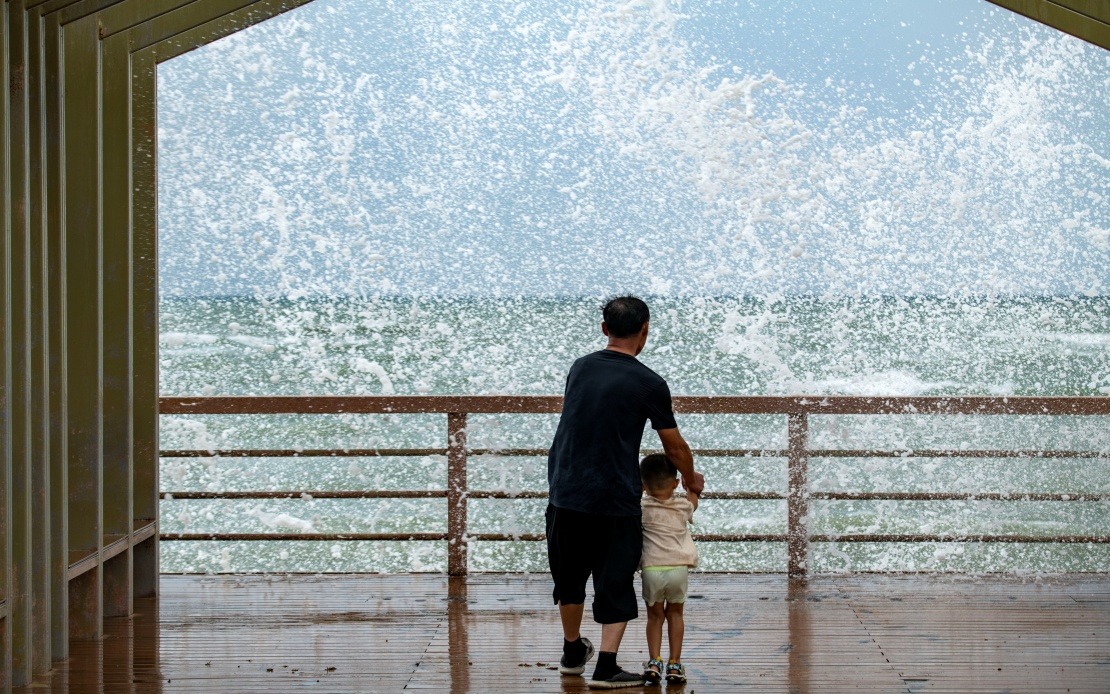
Typhoon Maysak, the tenth significant tropical cyclone of 2020, made landfall along the coast of Hainan Province late on Friday evening, triggering a cascade of transport disruptions and emergency measures across one of China's most important southern provinces. The storm struck at approximately 6.20 pm local time near Yelin Township in Lingshui Li Autonomous County, arriving with maximum wind speeds of 23 metres per second at its core, according to data released by the Hainan provincial meteorological bureau.
The arrival of Typhoon Maysak set off a coordinated response across Hainan's transport infrastructure, with authorities implementing comprehensive shutdowns to prioritise public safety. All rail connections serving the island—both incoming and outgoing services—were brought to a complete standstill for both Friday and Saturday, stranding passengers and disrupting cargo movements. The suspension affected what is typically one of China's busiest transport corridors during peak travel seasons, underlining the severity of the weather threat.
Hainan's primary aviation hub experienced similarly severe disruptions as Sanya Phoenix International Airport ceased all flight operations from 5 pm on Friday, affecting numerous domestic and regional flights. The airport's closure meant thousands of passengers faced cancellations and delays, with no immediate timeline for resuming services. For a province heavily dependent on tourism and business travel, such interruptions carry substantial economic ramifications, particularly given Hainan's status as a free trade port and emerging destination for international commerce.
Maritime transport, crucial for connecting Hainan to the mainland, ground to a halt as ferry operators suspended all passenger and vehicle services across the Qiongzhou Strait from 2 am on the same day. This crossing, which ordinarily handles considerable traffic between Hainan and Guangdong Province, was expected to remain closed for between one and two days pending weather assessments. The suspension of ferry services effectively isolated the island during the storm's peak intensity, preventing the normal flow of goods and people to and from the mainland.
Educational facilities across multiple jurisdictions closed their doors as a precautionary measure, with schools and childcare centres in Sanya and Ledong Li Autonomous County shut down during the typhoon period. This action reflected broader government protocols for protecting vulnerable populations during severe weather events, ensuring children remained sheltered rather than exposed to transport risks or hazardous conditions.
Meteorological forecasters predicted that Typhoon Maysak would maintain a northwesterly trajectory after landfall, advancing through several inland municipalities including Baoting, Wuzhishan, Baisha and Danzhou before eventually entering the Beibu Gulf region. This projected path suggested the typhoon's impacts would extend well beyond the immediate coastal landing zone, potentially affecting inland communities across central Hainan with heavy rainfall, landslides and continued severe wind gusts.
For Malaysian readers and Southeast Asian observers, Hainan's disruption carries broader significance. The province represents a critical economic node in southern China's development strategy, hosting major ports, tourism infrastructure and manufacturing facilities. Typhoons affecting Hainan frequently generate ripple effects throughout the region's supply chains, maritime routes and business operations, influencing regional economic momentum and trade patterns that extend into Southeast Asia.
The island's vulnerability to typhoons reflects the seasonal weather patterns that impact much of maritime Southeast Asia. Understanding how China responds to such natural disasters—through rapid infrastructure shutdown, coordinated emergency protocols and large-scale public messaging—offers lessons relevant to regional disaster management practices. Hainan's experiences also highlight the infrastructure resilience challenges facing tropical and subtropical coastal economies throughout Asia.
The timing of Typhoon Maysak during what would normally be a busy travel season underscored the unpredictable economic costs of severe tropical weather. Airlines, ferry operators, rail companies and hospitality businesses across Hainan faced immediate revenue losses, while supply chain partners dependent on Hainan's ports and logistics networks experienced unexpected disruptions. For regional businesses with operations or partnerships in southern China, such events demonstrate the necessity of maintaining robust contingency plans for weather-related interruptions.
The tenth typhoon designation for Maysak in 2020 reflected an active tropical cyclone season in the Western Pacific. For regional meteorologists and climate analysts, understanding typhoon frequency and intensity patterns holds implications for long-term infrastructure planning, insurance assessments and development strategies across Southeast Asia, where similar weather threats present ongoing challenges to economic stability and public safety. Hainan's experience serves as a timely reminder of nature's capacity to overwhelm even modern transport networks.

