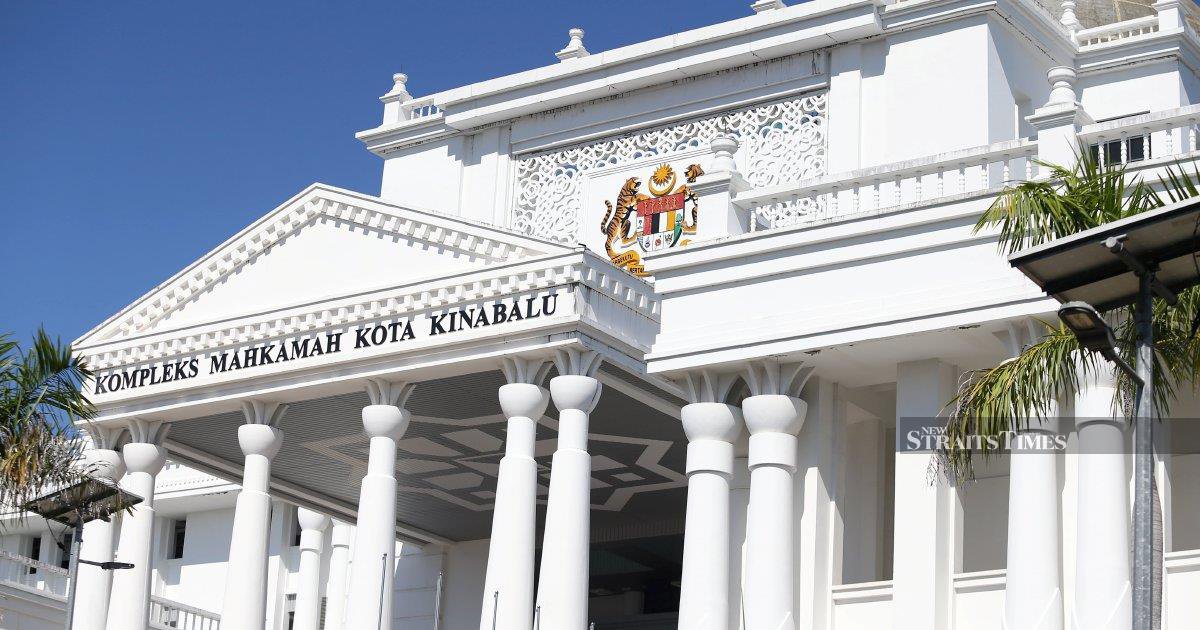
A Kota Kinabalu court has brought conspiracy charges against two women accused of orchestrating an elaborate traditional healing scam that victimised at least three women. The pair appeared before the Sessions Court today facing three separate counts of criminal conspiracy to cheat, marking the latest prosecution in a category of fraud that has increasingly drawn law enforcement attention across Malaysia as vulnerable populations fall prey to unregulated healing practitioners.
The specifics of how the alleged scheme operated remain largely under wraps as judicial proceedings continue, though the pattern mirrors numerous cases that have surfaced regionally in recent years. Traditional healing frauds typically involve promises of miraculous cures for serious ailments, often targeting individuals desperate for relief from chronic conditions or those disillusioned with conventional medical treatment. The mechanics often include payment for supposed remedies, rituals, or consultations that carry no genuine therapeutic benefit, leaving victims both financially depleted and emotionally traumatised.
What distinguishes this prosecution is its focus on conspiracy charges rather than simple fraud counts. This legal approach suggests investigators uncovered evidence of coordinated planning and deliberate deception between the two accused, indicating a potentially sophisticated operation rather than isolated incidents. Conspiracy charges typically carry weightier penalties under Malaysian law and reflect the seriousness with which courts now treat organised fraud schemes.
The Sabah authorities' decision to proceed with multiple counts demonstrates a widening net in the investigation. Each count represents a separate alleged conspiracy involving different victims, suggesting the accused may have employed systematic methods targeting multiple individuals in sequence. This pattern often indicates repeat offenders or organised fraud activity rather than spontaneous wrongdoing.
Traditional healing operates in a legal grey zone across Southeast Asia, including Malaysia, where licensing requirements remain ambiguous and enforcement inconsistent. Unlike medical practitioners bound by strict regulatory frameworks, many traditional healers operate with minimal oversight, creating opportunities for exploitation. This regulatory vacuum has become particularly problematic as globalisation and digital connectivity make it easier for fraudsters to reach wider audiences and operate across jurisdictions.
The vulnerability of victims in these cases warrants particular attention. Individuals suffering from serious health conditions, terminal illnesses, or mental health challenges often exhaust conventional avenues before turning to alternative practitioners. Scammers exploit this desperation, leveraging hope as a weapon of manipulation. The psychological impact on victims frequently extends far beyond financial loss, contributing to delayed proper medical treatment and severe emotional distress.
Malaysia has witnessed an uptick in such cases as law enforcement agencies enhance their focus on consumer fraud. The RMP's dedicated anti-scam units and state-level investigations have become increasingly sophisticated in tracking these networks. The Kota Kinabalu case suggests investigators are successfully building evidentiary chains and identifying the criminal intent required for conspiracy convictions, a development that may deter similar operations.
The implications extend beyond individual criminal liability. These prosecutions highlight systemic gaps in health regulation that Malaysian authorities must address. Greater public awareness campaigns about the dangers of unregulated healing practitioners, clearer labelling requirements for traditional medicine products, and stronger licensing frameworks could significantly reduce victimisation rates. Additionally, medical professionals have a role in counselling patients about the risks of abandoning evidence-based treatment in favour of unproven alternatives.
Similar scams have been documented throughout the region, with Singapore, Indonesia, and Thailand all reporting significant cases. The cross-border nature of online fraud means that Malaysian victims may inadvertently facilitate operations based elsewhere, while local fraudsters may exploit victims internationally. Regional cooperation through ASEAN law enforcement channels becomes increasingly valuable in dismantling these networks.
The judicial proceedings in Kota Kinabalu will likely establish important precedent regarding conspiracy standards in healing fraud cases, potentially shaping how prosecutors approach future charges. Successful conviction on conspiracy counts requires demonstrating that the accused agreed to commit the crime and took steps toward that objective, a higher evidentiary bar than simple fraud but one that more accurately reflects organised criminal activity.
For consumers, this case underscores the importance of verification and caution when seeking alternative health treatments. Legitimate traditional practitioners typically welcome questions about their qualifications, maintain transparent pricing, and encourage concurrent conventional medical care. Red flags include unrealistic cure promises, high-pressure sales tactics, and reluctance to disclose fees upfront.
As Malaysian society continues grappling with the tension between respecting traditional healing knowledge and protecting citizens from exploitation, cases like this one serve as critical reminders that greater regulation and public vigilance are essential. The Kota Kinabalu prosecution represents law enforcement progress, but sustained effort across multiple fronts—regulatory, educational, and investigative—will be required to meaningfully curtail these damaging frauds that exploit some of society's most vulnerable members.

