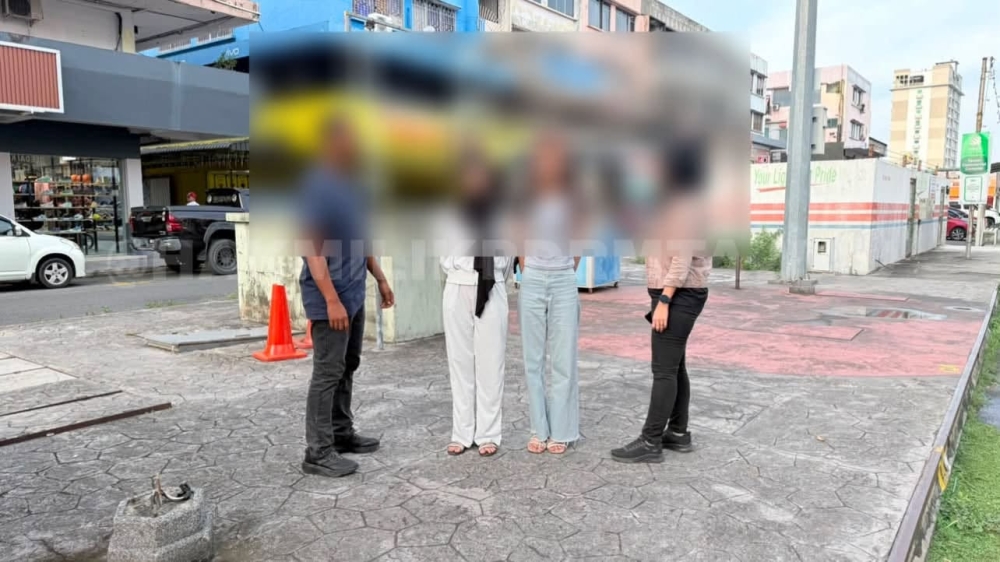
Police in Tawau have arrested two women in connection with a physical altercation that erupted at a restaurant in the Bandar Fajar area, marking another incident of public disorder in the Sabah city. The women, whose identities have not been disclosed to the public, are currently assisting authorities as investigations proceed into the nature and cause of the confrontation. Details surrounding the sequence of events remain under review by law enforcement officials.
The incident highlights an ongoing pattern of interpersonal conflicts occurring in commercial dining establishments across Malaysian cities. Restaurant and food court operators have increasingly reported heightened tensions among patrons, whether stemming from dining disputes, personal grievances, or unrelated matters that spill over into public eating spaces. The visibility of such incidents often generates concern among business owners concerned about maintaining order and protecting their establishments' reputations.
In Sabah, where Tawau functions as a major trading and commercial hub serving both local residents and transient populations, public venues experience considerable daily foot traffic. The convergence of diverse individuals in confined dining environments occasionally results in confrontations, whether spontaneous or premeditated. Restaurant management typically faces challenges in managing such situations while balancing patron safety with business continuity.
The Bandar Fajar commercial district serves as a significant retail and hospitality centre within Tawau, attracting shoppers and diners from surrounding neighbourhoods and townships. The area's prominence means that incidents occurring there garner local attention and prompt discussions about public safety within popular commercial zones. Business operators in the district have expressed varying degrees of concern regarding maintaining secure environments for their customers and staff members.
Police investigations into incidents of this nature typically involve gathering statements from eyewitnesses, reviewing CCTV footage if available, and interviewing the individuals involved in the altercation. Authorities work to establish the sequence of events, identify any provocation or instigation, and determine whether criminal charges are warranted. The investigative process can span several days or weeks depending on the complexity of the circumstances and availability of corroborating evidence.
In Malaysia's legal framework, individuals arrested for affray or common assault may face charges under relevant provisions of the Penal Code. Penalties vary according to the severity of injuries sustained, the nature of weapons used if any, and aggravating or mitigating factors considered during prosecution. Conviction outcomes depend on evidence presented and the testimony of involved parties, requiring thorough documentation by investigating officers.
The incident raises broader considerations about conflict resolution within public spaces and the importance of de-escalation in situations where tensions arise between individuals. Restaurants and food establishments can play a role in training staff to recognise early warning signs of escalating disputes and intervene appropriately to prevent situations from deteriorating into physical confrontations. Many modern establishments now employ conflict management protocols as part of standard operational procedures.
For residents and businesses in Tawau and other Sabah towns, maintaining awareness of public safety measures remains important. The incident underscores why documented reporting of disturbances to authorities, cooperation with police investigations, and preservation of evidence through video recording or witness accounts contribute significantly to law enforcement effectiveness. Community cooperation in such matters aids investigations and helps establish factual records.
Beyond the immediate legal consequences for those involved, such incidents carry implications for tourism and commercial confidence in affected areas. Customers may exercise caution when selecting dining venues, potentially affecting footfall and revenue for establishments perceived as having experienced or being prone to disturbances. Business recovery therefore depends partly on management's demonstrated commitment to preventing future incidents and reassuring patrons of their safety.
The timing of this incident coincides with broader discussions in Malaysia about maintaining public order in commercial and hospitality zones. Local authorities across the country have intensified efforts to address antisocial behaviour and violence in public spaces, recognising the connection between perceived safety and economic vitality. Tawau's city management and police contingent continue implementing strategies aimed at deterring disorderly conduct and responding swiftly to reported incidents.
As investigations progress, the police will determine appropriate charges and the matter may proceed through the courts if evidence supports prosecution. The case will likely contribute to local discussions about preventive measures and community responsibility in maintaining civil conduct within shared public spaces. Outcomes in such cases often influence future behaviour and awareness among both regular patrons and occasional visitors to dining establishments throughout the city.

