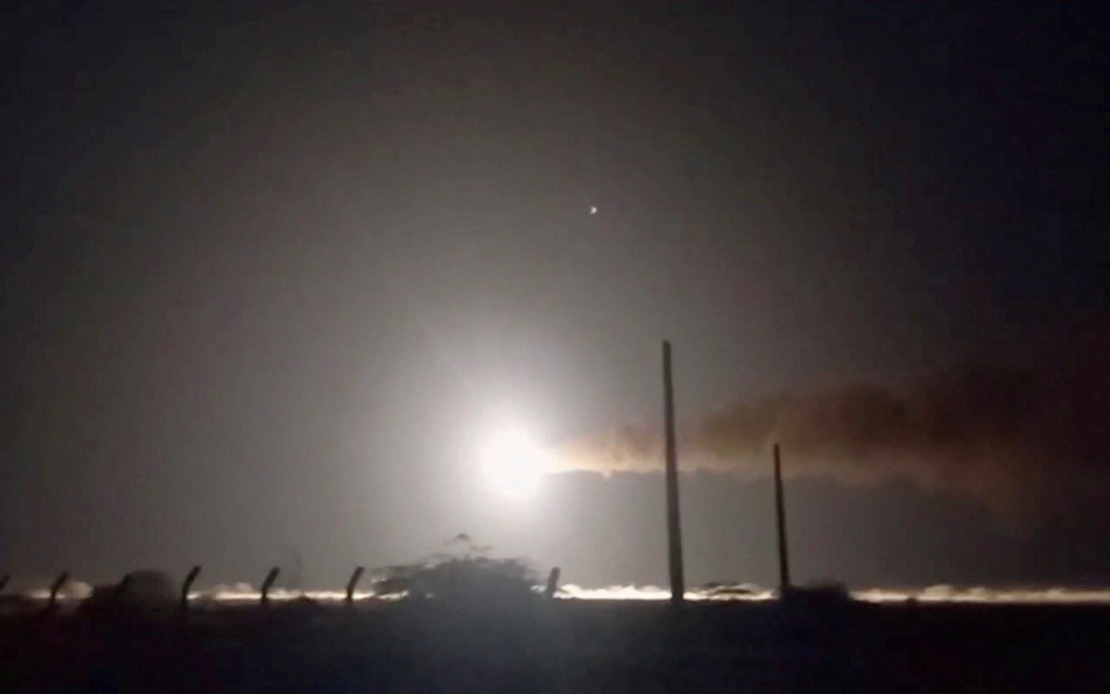
Two American military personnel lost their lives when Iran unleashed a barrage of ballistic missiles and unmanned drones against a US military installation in Jordan on July 17, according to an official statement from the US Central Command released on Saturday. A third service member's whereabouts remain unknown following the coordinated assault. The incident marks a significant escalation in regional tensions and underscores the volatile security environment that American forces operate within across the Middle East, with implications for regional stability and international military operations in the area.
CENTCOM disclosed that the two fatalities occurred while US and partner forces were actively defending against the Iranian air and missile barrage. The command confirmed that four additional American service members required medical evacuation to hospitals within Jordan but have since been discharged and returned to operational status. Several other personnel sustained minor injuries during the incident and have resumed their regular duties, indicating that the base's defensive systems and personnel response protocols were partially effective in mitigating casualties.
The Iranian attack represents a direct challenge to American military presence in the region and reflects escalating tensions between Washington and Tehran. Such incidents have become increasingly common in recent years as Iran seeks to demonstrate its military capabilities and assert regional influence. For Malaysia and other Southeast Asian nations, this event highlights the precarious balance of power in the Middle East and the risks posed by great power competition to global stability and trade routes that are crucial to the region's economic interests.
CENTCOM indicated that the identities of the fallen service members will remain undisclosed until 24 hours after next-of-kin notifications have been completed, a standard protocol designed to ensure that families receive the news directly from military officials rather than through media reports. This approach reflects military respect for the personal circumstances surrounding combat deaths and aims to provide grieving families with privacy and dignity during their initial period of mourning. The delayed public identification also underscores the sensitivity surrounding military casualties and the procedural importance given to family notification protocols.
The missing service member represents an additional concern for military leadership and ongoing search and rescue operations. The circumstances surrounding the disappearance remain unclear, though such situations during active combat conditions are not uncommon. The uncertainty adds an extra dimension to the incident, as military personnel and their families await updates on the individual's status and location. The ongoing nature of this situation may lead to further developments in coming days as search operations continue.
From a regional security perspective, the Iranian attack demonstrates the country's willingness to directly engage American forces and facilities despite the significant military imbalance between the two nations. Iran possesses an increasingly sophisticated arsenal of ballistic missiles and drone technology that it has developed domestically and through strategic partnerships. This capability gives Tehran options for asymmetrical responses to perceived threats or provocations, allowing it to inflict damage and demonstrate resolve without necessarily engaging in full-scale conventional warfare against the substantially more advanced American military.
For Southeast Asian observers, particularly those in Malaysia, this development carries implications for maritime security and freedom of navigation in crucial waterways. Any escalation in Middle Eastern tensions can disrupt shipping lanes and affect global energy supplies and trade flows that transit through the region. Malaysian businesses and shipping operators maintain significant interests in Middle Eastern ports and trade relationships, making regional stability a matter of direct economic concern for the country.
The incident also raises questions about the vulnerability of forward-deployed American military personnel and the effectiveness of existing defensive measures. Despite possessing superior air defence systems, the US base in Jordan still suffered casualties from the Iranian assault, suggesting that even well-equipped installations face genuine risks from determined adversaries armed with modern precision weaponry. This reality may prompt reassessments of force posture, defensive protocols, and the strategic calculus regarding military presence in contested regions.
The broader context of this attack involves ongoing tensions stemming from American military activities, sanctions against Iran, and regional rivalries involving multiple state and non-state actors. The Middle East remains one of the world's most volatile regions, with competing interests from numerous powers creating a complex security environment where miscalculation and escalation remain constant risks. American military personnel stationed throughout the region face persistent threats from various hostile actors and groups opposed to American presence and policies.
Government responses from allied nations and international observers will likely focus on calls for de-escalation and diplomatic resolution of underlying disputes. However, the cycle of attack and counterattack that has characterized recent years suggests that military exchanges may continue unless fundamental political grievances are addressed through negotiation. The death of American service members typically triggers renewed domestic political pressure in the United States regarding continued military engagement in the Middle East and the wisdom of maintaining substantial forward deployments in regions of high threat.
The incident serves as a reminder of the human cost of geopolitical competition and regional conflicts. Military personnel stationed abroad face genuine dangers that transform abstract strategic concerns into concrete tragedies affecting individuals and families. For Malaysia's defence and foreign policy communities, the event underscores the importance of diplomatic engagement, conflict prevention mechanisms, and regional stability initiatives that can reduce the likelihood of such confrontations occurring.
Moving forward, this incident will likely prompt military and political officials to review security measures, threat assessments, and strategic approaches to the region. The loss of American personnel typically strengthens calls from certain political quarters for reduced military presence or more aggressive responses, creating domestic political pressures that influence policy decisions. The missing service member's status will remain a focal point for military operations and news coverage until the individual's whereabouts are determined, adding uncertainty to an already serious situation.

