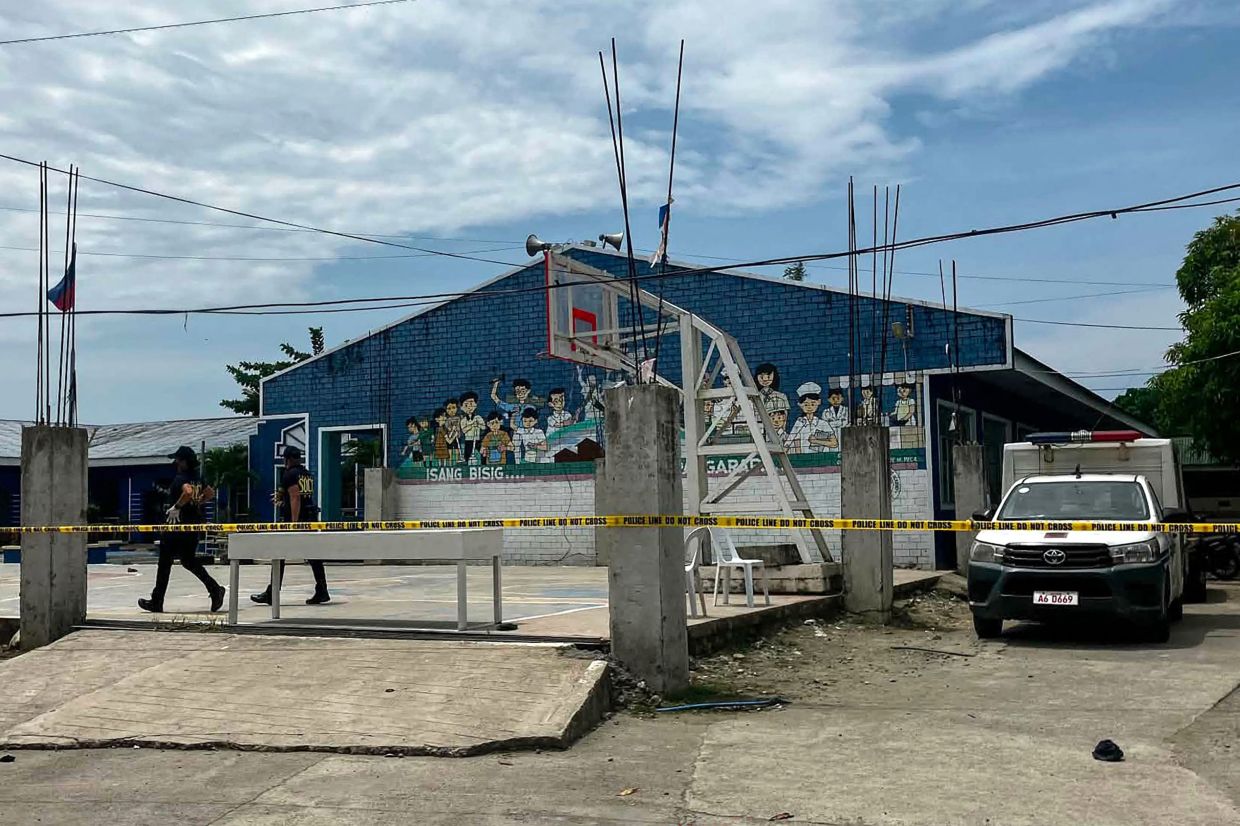
The Philippines reeled from shock on Monday after two young students carried out a devastating gun attack at San Jose National High School in Tacloban city in the central region, leaving three of their classmates dead and another seven wounded in what authorities described as an unprecedented tragedy at the government-run facility. Regional Police Chief Brig. Gen. Jason Capoy confirmed that the two suspects, aged 14 and 15, were both arrested following the mid-morning incident at the campus that normally serves more than 1,500 students.
The circumstances surrounding the attack revealed a troubling picture of school security vulnerabilities and underlying social tensions. According to Capoy, both suspects and their victims were enrolled at the same institution, and initial interrogations indicated that the young gunmen claimed to have experienced bullying within the school environment. The close friendship between the two attackers suggested their actions may have been coordinated, though investigators continued examining the full motivations and planning behind the assault. Neither suspect had a criminal history prior to the incident.
The weapons used in the attack highlighted gaps in firearms control and family responsibility. One of the 14 or 15-year-olds obtained a 9 mm pistol from his aunt, a law enforcement officer, who now faces investigation for her alleged role in allowing access to the weapon. The other suspect wielded a caliber 38 revolver. Capoy noted that the attackers managed to bring both firearms onto the school grounds with relative ease due to minimal security measures, specifically pointing to insufficient personnel at the institution's multiple entrance and exit points, with only a single guard on duty during the critical morning hours.
The shooting unfolded in a harrowing sequence that extended across multiple classrooms as terrified students scrambled to escape. After opening fire in the first location, the two suspects pursued fleeing students into an adjacent room, forcing them to kill within a second space on campus. Police later recovered at least 40 shell casings scattered throughout the scene, providing physical evidence of the intensity and duration of the gunfire. The majority of those killed and wounded were female students, according to law enforcement accounts.
Harrowing footage captured on student mobile phones documented the terror that gripped the campus in the aftermath. Video clips posted online showed students huddled beneath desks in locked classrooms, their voices shaking as they screamed and wept while gunshots continued outside. Many students could be heard calling their mothers in desperation. Other recordings captured panicked young people streaming out of the school building, many clinging to one another for support and comfort as they fled the danger zone.
The arrest of the two suspects followed different trajectories. One was taken into custody immediately on the school campus following the attack. The second suspect managed to escape the grounds and sought refuge in a nearby residence, where he remained hidden until local residents alerted police to his location, enabling officers to apprehend him without further incident. Both teenagers were secured pending investigation completion and processing through the juvenile justice system.
President Ferdinand Marcos Jr. responded swiftly to the tragedy, ordering a comprehensive investigation into the circumstances surrounding the shooting while simultaneously instructing law enforcement agencies to intensify security measures across all educational institutions, workplaces, and public gathering spaces throughout the nation. Communications Undersecretary Claire Castro articulated the president's reaction, stating that Marcos Jr. was deeply saddened by the violence and expressing empathy for the grieving families of victims and the broader community gripped by fear and uncertainty following the attack.
The juvenile justice framework governing the Philippines created complications for prosecution. Under legislation enacted in 2006, children below the age of 15 cannot face criminal charges, meaning the 14-year-old suspect would be automatically exempt from prosecution regardless of evidence. The 15-year-old suspect could potentially face criminal liability only if authorities prove beyond doubt that the teenager fully comprehended both the nature of the crime committed and its serious consequences. Instead of facing the adult criminal justice system, both teenagers are to be transferred to government welfare and rehabilitation authorities upon completion of the police investigation.
While gun-related crimes constitute a persistent challenge within Philippine society, school shootings have remained comparatively uncommon in the nation's recent history. The proliferation of unlicensed and illegally held firearms throughout the country has contributed to elevated levels of armed violence across multiple communities and contexts. The 2022 shooting at an upscale university in the Manila metropolitan area, where a gunman killed a former municipal mayor and two others ahead of a graduation ceremony in what was widely characterized as a premeditated attack linked to a long-standing personal dispute, represented a similarly shocking but isolated incident. That assailant was subsequently arrested and prosecuted.
The national police force has called upon the public to refrain from panic while emphasizing the importance of community cooperation with ongoing investigations. Authorities have specifically requested that anyone possessing relevant information contact law enforcement, recognizing that public assistance has historically proven instrumental in resolving complex criminal inquiries and preventing additional violence. The tragedy has reignited discussion about campus security protocols, firearm accountability among law enforcement personnel, and early intervention programs targeting bullying and youth mental health concerns within educational settings.
For Malaysian observers, the incident underscores persistent regional challenges regarding youth violence, access to illegal weapons, and the efficacy of school safety frameworks across Southeast Asia. The incident also reflects broader anxieties about bullying in educational institutions and the potential for escalation when young individuals lack adequate support systems and conflict resolution resources, issues that resonate across multiple countries in the region grappling with similar demographic pressures and social integration challenges.