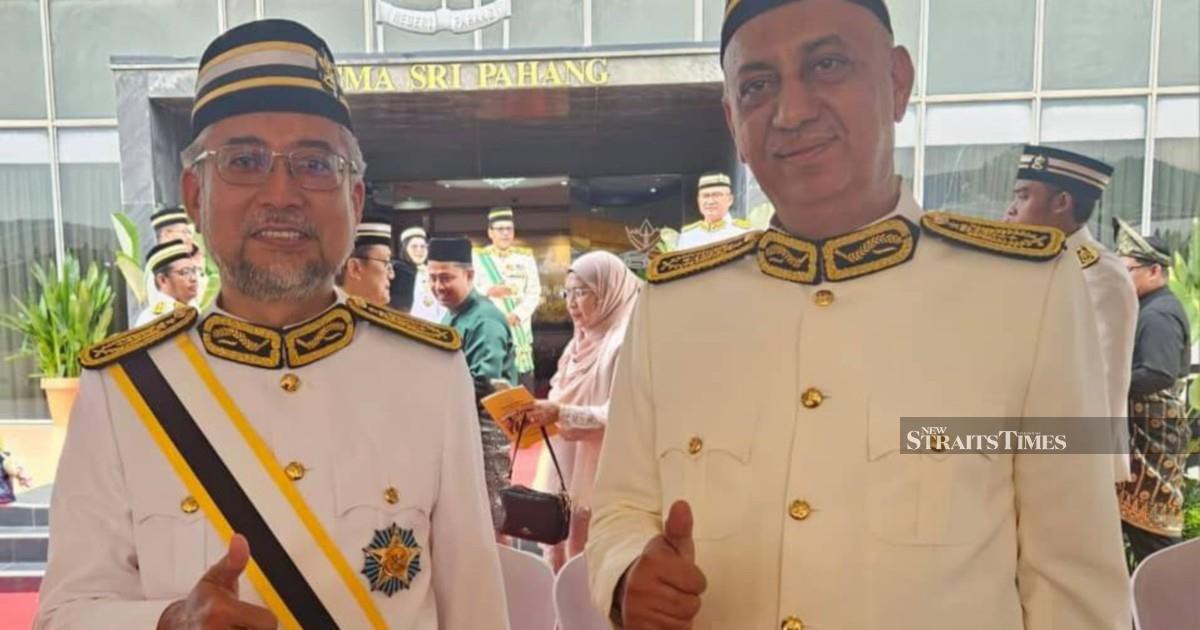
In a show of solidarity within the ruling coalition, two Pahang Bersatu assemblymen have publicly committed to supporting Menteri Besar Datuk Seri Wan Rosdy Wan Ismail and his state administration through the 16th state election. The pledge, made in Kuantan, underscores efforts to maintain internal cohesion within Bersatu's ranks in the state ahead of the general election cycle.
The reaffirmation of support by the two lawmakers signals an attempt to consolidate Bersatu's position in Pahang, where the party has faced questions about stability following various political realignments across Malaysia over the past year. Such declarations from party representatives are typically aimed at reassuring party leadership and the public that no internal fractures threaten the administration's continuity.
Datuk Seri Wan Rosdy Wan Ismail has led Pahang as Menteri Besar following previous electoral outcomes that shaped the state's political composition. His administration has overseen various initiatives across the state, and maintaining caucus support remains critical for implementing policy priorities and maintaining legislative majorities on key votes.
The timing of these pledges reflects broader dynamics within Malaysia's political landscape, where coalition stability remains paramount. With general elections typically occurring within defined cycles, state administrations work to strengthen internal party discipline and signal unity to both their voter base and coalition partners. The 16th state election represents a significant milestone for Pahang's political trajectory.
Bersatu, which emerged as a significant political force following Malaysia's 2018 political realignment, has since navigated complex coalition arrangements at both federal and state levels. In Pahang particularly, maintaining the support of its state representatives ensures the party can advance its agenda and retain influence within the ruling structure. The assemblymen's statement reinforces their commitment to current leadership continuity.
These affirmations also carry implications for the broader Malaysian political ecosystem. States like Pahang serve as barometers for coalition strength, and demonstrated party unity can influence negotiations with other coalition members and opposition forces. The explicit backing from elected representatives provides legitimacy to the Menteri Besar's administration and suggests confidence in his leadership direction among at least this segment of Bersatu's state delegation.
For voters and observers monitoring Pahang's political developments, such pledges indicate the likelihood of administrative stability through the election cycle. Frequent leadership changes or internal party conflicts can disrupt governance and create uncertainty around state-level initiatives. The commitment expressed by these two assemblymen therefore carries practical implications for policy implementation and state development projects.
The statement also reflects how Malaysian political parties use formal endorsements to manage narrative and prevent speculation about potential challenges to sitting leaders. In state politics particularly, where smaller numbers of elected representatives can wield significant influence, public backing from party members serves to either consolidate existing support or head off potential defections. The timing and framing of such declarations thus merit close attention.
Looking forward, such pledges establish reference points for assessing political stability within Pahang's ruling coalition. Should subsequent developments reveal fractures or contradictions to these initial commitments, observers will note the divergence and assess implications for the administration's durability. Conversely, if support remains firm through the election cycle, these early statements will be validated as genuine expressions of political consensus.
The broader context includes consideration of how Pahang's political composition compares to other Malaysian states and how its governance dynamics may influence the trajectory of the 16th state election whenever it is called. As one of Malaysia's largest states by geographic area and population, Pahang's political developments carry weight within national discussions about coalition viability and electoral competitiveness across the country's constituent territories.

