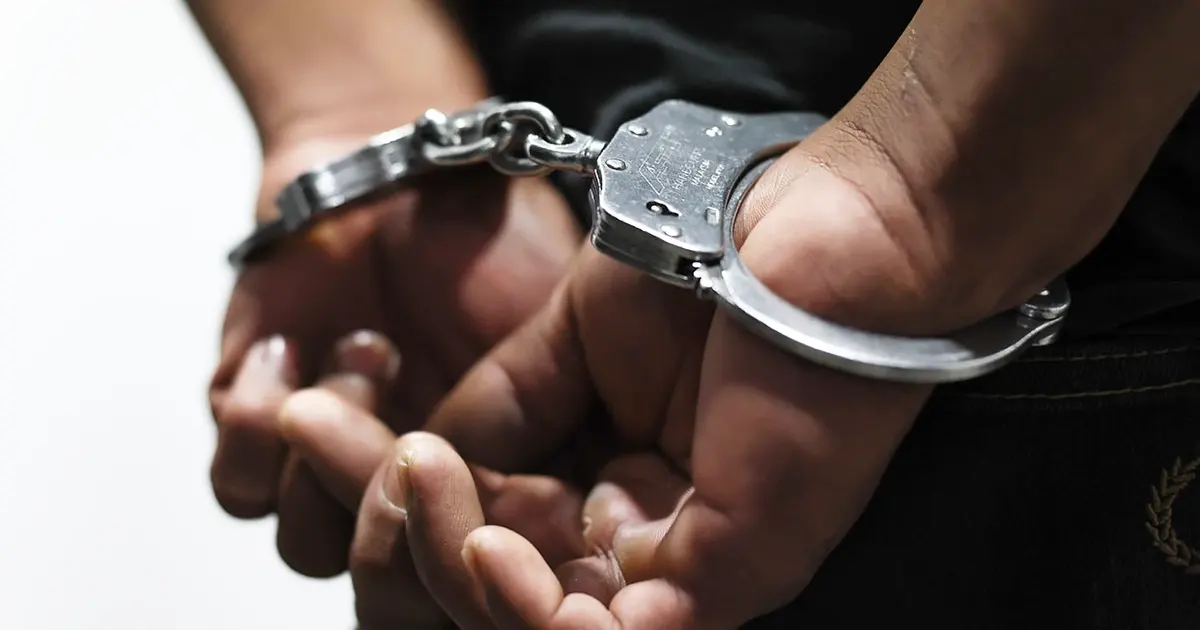
Police have arrested two men in connection with the death of a hunting companion, with investigators alleging the fatal shooting was accidental but that the pair subsequently concealed the body in what appears to have been a panic-driven attempt to evade responsibility. The incident underscores the dangers inherent in recreational hunting activities and raises fresh concerns about safety protocols among small groups undertaking such pursuits in remote areas.
According to law enforcement statements, the two arrested individuals are suspected of inadvertently discharging a firearm that struck and killed their friend during what was intended as a routine hunting expedition. The accidental nature of the shooting, if confirmed, would distinguish this case from deliberate homicide, yet the alleged decision to hide the body rather than immediately seek medical assistance and contact authorities represents a significant complicating factor that has drawn criminal charges against the suspects.
The concealment of the victim's remains suggests a conscious effort to obstruct the investigation and evade accountability following the incident. Such actions typically indicate that the individuals involved recognised the gravity of what had occurred and made a calculated decision to prioritise self-protection over reporting the emergency to authorities who might have documented the circumstances more clearly and initiated appropriate emergency response protocols.
Hunting accidents, while statistically uncommon when proper safety measures are observed, remain a recurring concern for law enforcement and wildlife authorities across the region. These incidents typically stem from a combination of factors including inadequate safety training, poor visibility conditions, inadequate communication between hunters, and the high-stress environment in which split-second decisions must be made while handling loaded weapons.
The handling of this case will likely establish important precedent regarding how Malaysian courts treat the intersection of accidental causation with subsequent obstruction of justice. Prosecutors must prove not only that the shooting occurred but also demonstrate the intentionality behind the body concealment, distinguishing between panic-driven reactions and more calculated cover-up attempts.
For the broader hunting community in Malaysia, this incident serves as a sobering reminder of the critical importance of rigorous safety training and adherence to established protocols. Responsible hunters maintain clear communication with all individuals in their group, use distinctive clothing to ensure visibility, maintain awareness of bullet trajectory and target backdrop, and immediately cease operations if any safety concern emerges. Equally important is understanding the legal imperative to report incidents to authorities promptly rather than attempting independent damage control.
The investigation phase will be crucial in establishing the precise sequence of events, determining the exact moment the victim was struck, and clarifying the timeline between the shooting and the discovery of the body. Forensic analysis of the victim's injuries, witness statements from the accused, examination of the weapon used, and reconstruction of the hunting area's layout will all contribute to understanding how this preventable tragedy unfolded.
Autocorrect assumptions about guilt must be avoided at this stage, as investigations into hunting fatalities frequently reveal complex circumstances that initial reports fail to capture. However, the fact of body concealment does suggest that the individuals involved recognised serious legal exposure and attempted to minimise their culpability through independent action rather than cooperation with authorities.
From a public health perspective, this case reinforces the need for mandatory hunter safety certification programmes and regular refresher training requirements, particularly for those who hunt in groups where communication failures or misjudgments can have fatal consequences. Several Southeast Asian jurisdictions have implemented such requirements with measurable reductions in preventable shooting incidents.
The victim's family now faces the dual burden of grieving their loss while simultaneously dealing with the troubling reality that the circumstances of the death involved not only a tragic accident but also apparent abandonment by those who might have provided immediate assistance. This aspect of the case extends the psychological impact far beyond the immediate tragedy.
As the legal proceedings advance, the distinction between accidental causation and subsequent obstruction will determine the severity of charges pursued and potential sentencing. Malaysian courts will need to balance the genuine nature of accidents with society's legitimate interest in deterring cover-up behaviour that prevents accurate investigation and denies victims' families full understanding of how their loved ones died.
This incident also highlights the importance of robust outdoor recreation regulations and the training of search and rescue personnel to identify and respond to unusual patterns that might indicate concealed fatalities. Enhanced cooperation between wildlife authorities, police, and hunting organisations could help prevent similar tragedies through better safety culture and reporting mechanisms.

