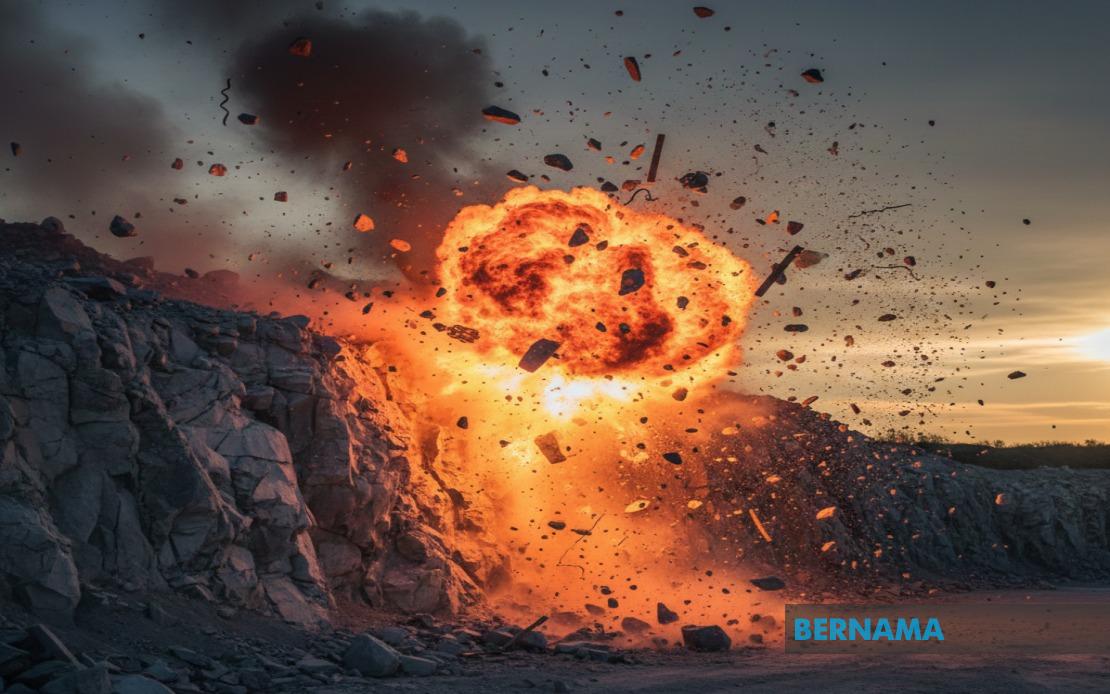
Two Malaysian nationals injured in an improvised explosive device explosion in Thailand's Narathiwat province have safely returned to Malaysia, according to an announcement from the country's Foreign Ministry on Tuesday. The victims were discharged from Naradhiwas Rajanagarindra Hospital with support from local Thai authorities before being transferred across the Malaysia-Thailand border at the Sungai Golok-Rantau Panjang crossing.
The incident occurred on Monday morning at approximately 11.40 am local time, when the two Malaysians were travelling in a sport utility vehicle near the Sapom intersection in Tak Bai district. An explosive device, concealed within a roadside culvert, detonated as their vehicle passed, catching them in the blast. Thai authorities investigating the attack concluded that the Malaysians were not the intended targets, with suspicions pointing towards militant insurgent groups operating in the volatile southern Thai border region.
The coordination between Malaysian and Thai officials in managing the aftermath of the explosion underscores the longstanding security and diplomatic cooperation between the two nations. Malaysia's Consulate General in Songkhla worked directly with border authorities in Rantau Panjang to facilitate rapid immigration clearance, streamlining the process to allow the injured Malaysians swift passage back into their country. This coordinated approach enabled both victims to proceed immediately to medical facilities without bureaucratic delay, a critical consideration given the nature of their injuries.
Upon crossing into Malaysia, emergency medical services transported both injured nationals by ambulance to a hospital in Kelantan state, where they were admitted for continued specialist treatment. The Foreign Ministry's statement emphasised that this coordinated response reflected the commitment of both governments to ensuring the safety and welfare of their respective citizens during security emergencies. The swift evacuation and transition to Malaysian medical care represents standard protocol in such cross-border incidents.
The explosion in Narathiwat comes amid ongoing security challenges in Thailand's southern provinces, a region that has experienced periodic violence linked to separatist movements and insurgent activities. The area near Tak Bai has historically been susceptible to such incidents, with roadside explosive devices occasionally deployed as indiscriminate weapons. The fact that civilian travellers from neighbouring Malaysia were inadvertently caught in Monday's attack illustrates the spillover risks that cross-border communities face in this troubled region.
Malaysia's Foreign Ministry expressed formal appreciation to the Thai government and provincial authorities in Narathiwat for their cooperation and the swift assistance provided to the injured Malaysians. Such public acknowledgment serves to reinforce bilateral relations and acknowledges Thailand's handling of the situation from a humanitarian perspective. Thai security forces, including explosive ordnance disposal and forensic teams, launched immediate investigations at the blast site to gather evidence and potentially identify those responsible for the attack.
The incident carries particular significance for Malaysians residing in or regularly travelling through Thailand's southern provinces, including Narathiwat, Yala, and Pattani. These border areas, while geographically close to Malaysian states like Kelantan and Terengganu, present security considerations that cross-border travellers must carefully evaluate. Business owners, traders, and workers who frequently traverse the border region should remain cognisant of the latent security risks.
In response to the incident, Malaysia's Foreign Ministry issued advisories specifically targeting Malaysian citizens in Thailand's southern provinces. The guidance urges residents and travellers to maintain heightened vigilance, prioritise personal safety measures, and adhere strictly to instructions disseminated by local Thai authorities regarding security protocols and designated safe zones. Such advisories are routinely issued when incidents occur but serve as periodic reminders of ambient risks in the region.
The ministry indicated it would continue monitoring developments through its diplomatic presence in Songkhla, maintaining regular communication with Thai counterparts. This ongoing surveillance allows Malaysian authorities to respond rapidly to emerging security threats and provide real-time guidance to nationals in the area. The existence of permanent Malaysian diplomatic representation in Songkhla ensures that consular services remain accessible and that coordination channels remain open for future contingencies.
These recurring incidents in Thailand's southern border region reflect the complex security landscape that shapes cross-border relations in Southeast Asia. While the overwhelming majority of travel between Malaysia and Thailand occurs without incident, the presence of militant groups and the use of indiscriminate weapons such as roadside explosives creates an inherent risk profile that distinguishes this region from other parts of Thailand. Malaysian authorities and travellers must balance legitimate cross-border commercial and personal activities with reasonable security precautions.
For Malaysian businesses operating in Thailand's southern provinces, Monday's incident may prompt renewed risk assessments and revised safety protocols for employees conducting work in the area. Insurance providers and corporate security consultants working with Malaysian companies in the region typically use such incidents as case studies when recommending enhanced security measures. The incident serves as a practical reminder that even routine vehicle travel near the border can carry unanticipated risks.
Both the Malaysian and Thai governments have extensive experience managing cross-border security challenges and have developed institutional mechanisms for rapid response to incidents involving nationals of either country. The efficient handling of the evacuation and medical transfer of the two Malaysian victims demonstrates the functionality of these mechanisms in practice. Going forward, this incident will likely be referenced in diplomatic briefings and security consultations between the two nations' relevant agencies.

