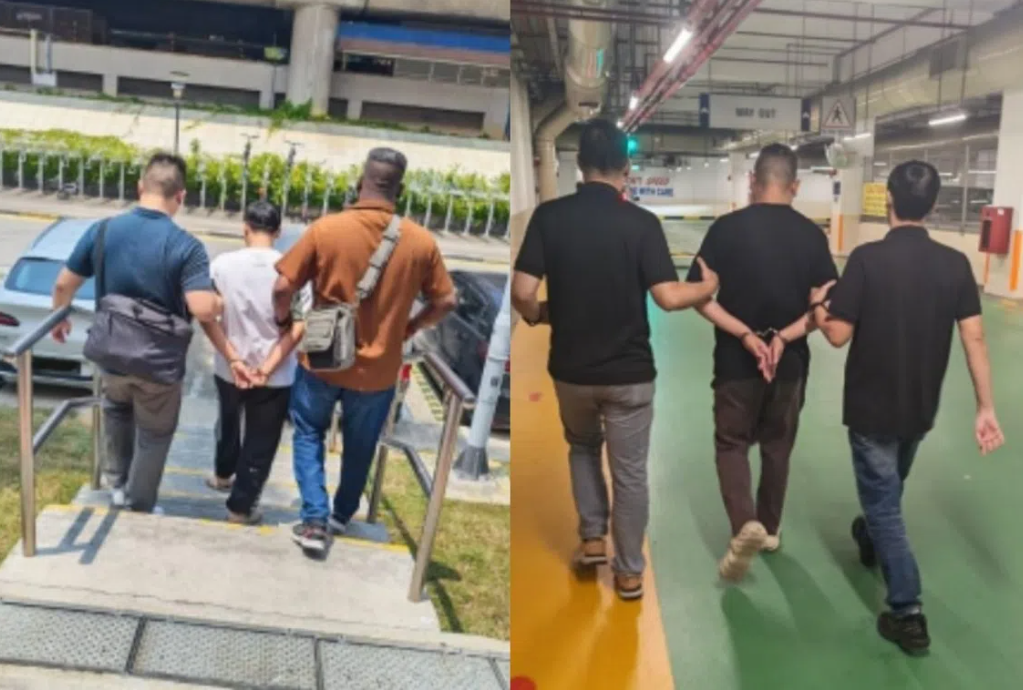
Singapore authorities have arrested two Malaysian nationals employed at mobile phone retail outlets for orchestrating a sophisticated identity theft scheme that exploited compromised Singpass accounts to funnel scam proceeds through fraudulent digital wallets. The two suspects, aged 25 and 47, were detained on Tuesday, 25 August, following an investigation that uncovered their involvement in creating fake LiquidPay e-payment accounts using stolen login credentials from unsuspecting customers, according to Singapore police.
The modus operandi reveals a calculated exploitation of customer trust and access to sensitive personal information. The suspects leveraged their positions as mobile phone shop employees to gain access to customers' Singpass details under the guise of providing legitimate services. In at least one documented instance, one suspect approached a customer who was purchasing a SIM card, offering to assist with updating Singpass credentials—an opportunity he weaponised to surreptitiously create a LiquidPay account without consent. This predatory approach highlights how retail workers positioned at the frontline of customer service can become conduits for identity crimes when not properly monitored or screened.
The investigation, led by Singapore police's Cyber Command unit in collaboration with the Singpass Trust & Safety team at the Government Technology Agency of Singapore, uncovered the alarming scale of the compromise. More than 170 Singaporeans and foreign workers had their Singpass accounts linked to fraudulent activity orchestrated by the syndicate. The perpetrators subsequently registered over 160 additional LiquidPay accounts—the digital wallet and payment platform operated by Singapore-based fintech company Liquid Group—using these compromised credentials, all without the account holders' awareness or consent.
The financial implications underscore the real-world damage inflicted by such schemes. Since early March 2026, at least 20 Singapore citizens and work permit holders have been formally investigated for their involvement in registering the fraudulent LiquidPay accounts. These compromised accounts served as conduits for receiving scam earnings totalling at least S$110,063, demonstrating how identity theft seamlessly integrates with broader fraud ecosystems. The accounts functioned as money laundering mechanisms, converting stolen funds into digital assets that are inherently more difficult for authorities to trace and recover.
For Malaysian readers, this case carries significant implications given the cross-border nature of the crime and the involvement of Malaysian nationals in perpetrating fraud targeting Singapore residents. The incident underscores how regional labour mobility, while economically beneficial, can create vulnerabilities when criminal elements exploit their positions in foreign countries. The two suspects are part of a larger syndicate structure focused on compromising Singpass credentials—a coordinated criminal enterprise rather than isolated bad actors, suggesting systematic recruitment and organisation among networks that span multiple jurisdictions.
The legal consequences facing the arrested individuals are severe. Both men will be charged in court on 27 August under provisions concerning assisting another to retain benefits from criminal conduct, an offence carrying imprisonment of up to 10 years, fines reaching S$500,000, or both. This reflects Singapore's approach to treating financial crime infrastructure—those who facilitate the laundering and retention of proceeds are prosecuted as seriously as the primary fraudsters, recognising their essential role in enabling the broader scheme.
Parallel investigations into Singpass users who voluntarily disclosed their account credentials are ongoing, suggesting that some victims may have been manipulated into providing access through social engineering tactics rather than overt theft. Such individuals face potential charges carrying maximum penalties of three years imprisonment and S$10,000 fines, though authorities may distinguish between those coerced through deception and those acting as willing participants in fraud.
This case reveals systemic vulnerabilities in the current identity verification and account security landscape. Singpass, as Singapore's crucial digital identity authentication system, has become increasingly targeted by sophisticated criminal operations. The ease with which retail workers could create fraudulent accounts using stolen credentials suggests potential gaps in LiquidPay's account creation verification procedures, raising questions about whether fintech platforms adequately cross-reference identity data with official registries before activating accounts.
The involvement of retail sector employees raises important questions about background screening and ongoing monitoring within the mobile phone retail industry, which frequently handles customer personal information during service transactions. This sector may require enhanced regulatory oversight, including mandatory staff training on cybersecurity awareness and protocols for securing customer data during routine transactions. Malaysian employers recruiting workers for positions in Singapore should strengthen due diligence processes, and Singapore employers should implement compartmentalised access controls limiting frontline staff exposure to sensitive customer information.
For Southeast Asian consumers and workers, the incident serves as a cautionary reminder about protecting Singpass credentials and other national digital identity systems. The vulnerability of such systems—which increasingly serve as the foundation for accessing multiple government and private sector services—makes them prime targets for identity thieves. Users should remain vigilant about unsolicited requests for credential information, even when presented by seemingly legitimate service providers in official settings.
The broader context reflects evolving fraud tactics that integrate retail access points with digital payment infrastructure. Rather than relying solely on phishing or data breaches, sophisticated criminal syndicates now exploit human vulnerabilities within trusted customer-service interactions. This hybrid approach—combining physical retail access with digital account creation—creates compound security challenges that require coordinated responses spanning employment screening, transaction monitoring systems, and consumer awareness initiatives across the region.

