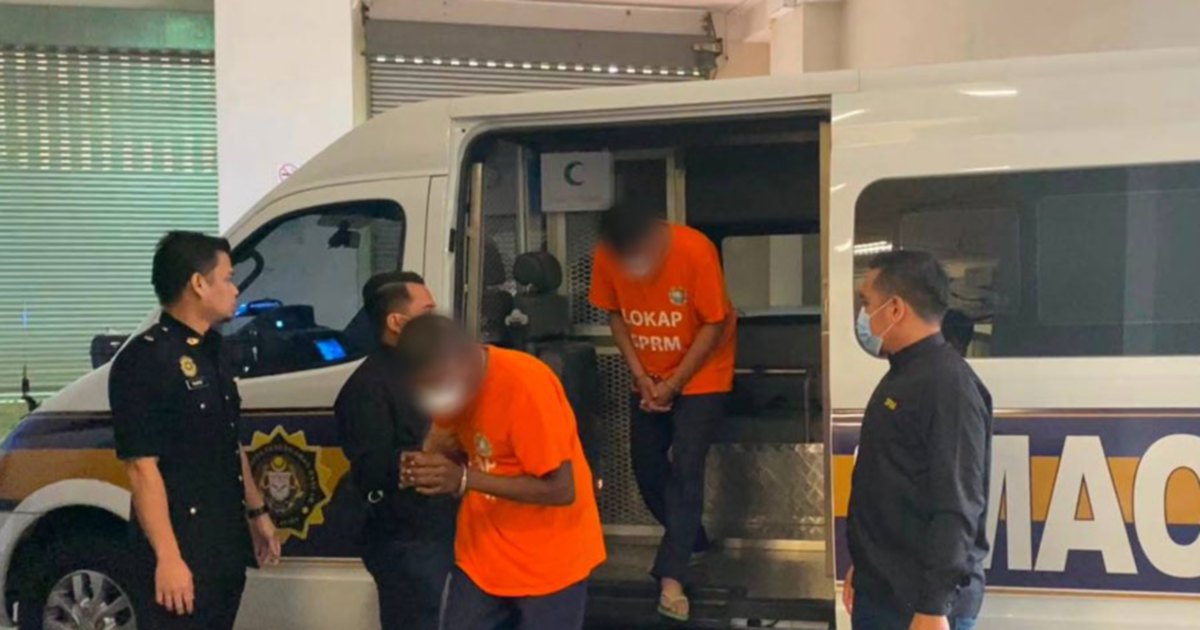
Integrity concerns within Malaysia's law enforcement have surfaced again with the arrest of two highway patrol officers in Kuantan who face accusations of soliciting bribes from motorists caught committing traffic violations. The officers are alleged to have systematically overlooked traffic offences on the East Coast Expressway 2, a major transportation corridor serving commuters across Pahang and connecting routes to other eastern states.
The allegations point to a troubling pattern where motorists may have offered financial inducements to avoid proper enforcement procedures and penalty charges. This arrangement would have allowed drivers to evade accountability for their violations—potentially dangerous driving practices that put other road users at risk. The scheme appears to have operated along the expressway segment under these officers' jurisdiction, raising questions about how long such conduct may have persisted undetected.
Malaysia's approach to combating police corruption has evolved significantly over the past decade, with dedicated units and oversight mechanisms established to investigate misconduct allegations. The Integrity and Conduct Unit within the Royal Malaysia Police operates specialized investigation teams tasked with pursuing such cases. The apparent discovery of this bribery scheme demonstrates both the vulnerability of enforcement systems to individual officer misconduct and the mechanisms available for accountability when violations are uncovered.
For Malaysian motorists, incidents of this nature underscore the importance of official traffic enforcement processes. When officers accept bribes, the system fails to function as intended—dangerous drivers remain unaccountable, genuine traffic violations go unrecorded, and public safety standards deteriorate. The expressway network carries substantial daily traffic volumes, making proper enforcement critical for accident prevention and road discipline.
The East Coast Expressway 2 carries significant commercial and personal vehicle traffic throughout the year. This corridor represents a vital economic artery for the eastern region, connecting manufacturing hubs, residential areas, and major towns. Compromised enforcement on such a busy route potentially exposes thousands of daily commuters to heightened risks from drivers who have not faced consequences for previous violations.
Police leadership has consistently maintained that corruption undermines public confidence and operational effectiveness. These arrests reflect institutional responses to misconduct reports, though critics argue that prevention remains inadequate. Training standards, supervision protocols, and accountability mechanisms continue to be evaluated within the force's modernization efforts.
The detained officers will undergo remand procedures that typically involve initial investigation periods where authorities gather evidence and conduct interviews. Malaysian law provides frameworks for handling police misconduct cases, distinguishing between administrative disciplinary proceedings and criminal prosecution where bribery allegations are substantiated through evidence.
Community responses to such incidents often highlight concerns about selective enforcement and fairness within the transportation regulatory system. When officers are perceived as willing to overlook violations for payment, confidence in the entire enforcement framework erodes. This becomes particularly problematic in a system where most motorists attempt compliance and expect equal treatment under traffic regulations.
The implications extend beyond individual accountability to institutional credibility. Public perception of police integrity directly influences willingness to cooperate with law enforcement and compliance with traffic regulations. Negative incidents require sustained positive reinforcement through transparent investigations, clear disciplinary outcomes, and visible commitment to maintaining standards across all ranks.
For highway safety specifically, proper traffic enforcement serves multiple functions beyond revenue collection. Speed monitoring, vehicle condition checks, and violation documentation contribute to accident prevention and insurance information systems. When enforcement is compromised, these critical safety functions deteriorate, potentially increasing injury and fatality rates on expressway segments.
The case will likely proceed through investigative stages involving formal questioning, evidence examination, and determination of charges if sufficient proof emerges. Outcomes will be monitored given the public interest in seeing accountability for alleged misconduct and reassurance that enforcement systems retain integrity.
Broader implications for the transportation sector include renewed attention to supervision mechanisms within highway patrol units and refresher training on ethical obligations for personnel in enforcement positions. Expressway operators and traffic authorities often coordinate with police on safety initiatives, and cooperation depends on mutual confidence in professional standards.

