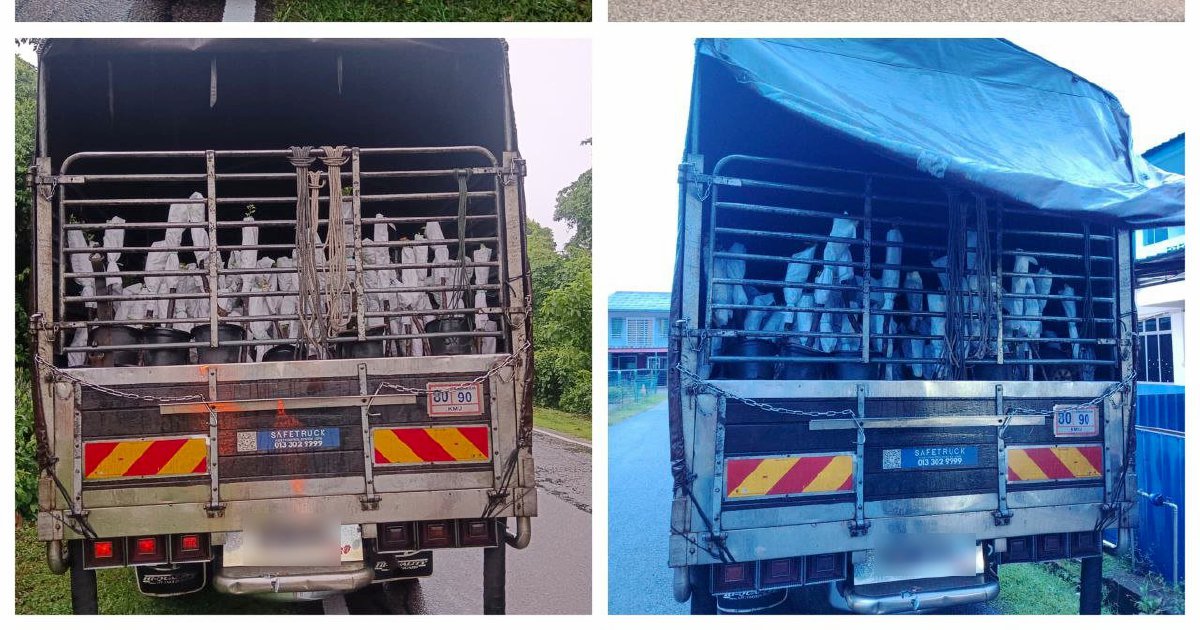
A lorry driver and his attendant were apprehended at Rantau Panjang during a border enforcement operation on Tuesday, found to be transporting plant saplings valued at RM85,000 that had been illicitly brought across from Thailand. The seizure marks the latest in a series of incidents involving agricultural contraband at Malaysia's northern crossings, where enforcement agencies have intensified surveillance to combat smuggling networks operating across the porous Thai-Malaysia border.
The operation, conducted by customs and immigration authorities at the coastal checkpoint, discovered the illegal cargo during routine vehicle inspections. Officers identified numerous plant saplings that lacked proper documentation and phytosanitary certificates, which are legally required for the importation of botanical materials into Malaysia. The items were destined for distribution within local nurseries and garden centres, according to preliminary investigations, suggesting an established demand-side market for undocumented flora.
Smuggling of plant materials through Malaysia's northern and eastern borders has become increasingly sophisticated in recent years. Traffickers typically exploit gaps between inspection shifts and utilise smaller border crossings where monitoring capacity remains limited. The Rantau Panjang crossing, situated in Kelantan on the east coast, has proven particularly vulnerable due to its high-volume foot and vehicle traffic and the complexity of managing multiple entry points within a relatively confined geographical area.
The trade in smuggled saplings represents more than a simple customs violation. These undocumented plants pose genuine biosecurity risks, as they bypass the rigorous health screening protocols that legitimate imports undergo. Without proper phytosanitary certification, there is no guarantee that saplings are free from pests, diseases, or invasive species that could devastate Malaysia's agricultural sector. A single introduction of an unchecked pathogen or insect species could cascade across commercial plantations and smallholder farms, potentially costing the sector hundreds of millions of ringgit in losses.
The financial scale of the confiscation—RM85,000—underscores the profitability driving these networks. Smugglers can undersell legitimate nurseries by avoiding import duties, compliance documentation costs, and regulatory fees, creating a substantial price advantage that attracts both vendors and consumers seeking bargains without understanding the associated risks. This price differential has gradually displaced legitimate importers from certain market segments, particularly at the lower-cost end where price sensitivity is most pronounced.
Malaysia's enforcement capacity at land borders has been bolstered in recent years through additional funding and technology deployment, yet the sheer volume of cross-border movement ensures that many contraband shipments still evade detection. Between legitimate commercial traffic, workers commuting to and from Thailand, and tourists crossing during periods of relaxed restrictions, border officials face the challenge of conducting meaningful inspections without causing unacceptable delays to genuine trade and travel. This operational tension inherently creates windows of vulnerability that smuggling networks actively exploit.
The involvement of transport operators suggests an organised approach rather than opportunistic smuggling. Lorry drivers with established routes and schedules can develop predictable patterns that enable coordination with spotters and accomplices monitoring enforcement presence. The inclusion of an attendant indicates a division of labour, with one individual focused on vehicle operation while the other manages cargo concealment or communication with downstream distribution contacts. Such operational structure points toward networks with sufficient scale and capital to absorb occasional losses from confiscated shipments.
Regional cooperation in border management remains inconsistent, limiting authorities' ability to pursue investigations into Thai-side suppliers or identify the full scope of trafficking networks. While Malaysia and Thailand maintain formal customs-sharing agreements, intelligence gaps persist regarding the origin points of contraband and the ultimate destinations within Malaysia. Coordinated enforcement operations involving both nations' authorities remain infrequent and typically reactive rather than proactive.
The arrested individuals face potential charges under Malaysia's Customs Act and agriculture-related regulations governing plant importation. Penalties can include substantial fines and custodial sentences, though enforcement severity often depends on whether prosecutors characterise the offence as commercial smuggling or inadvertent technical violation. Given the RM85,000 valuation and the involvement of a commercial vehicle, authorities will likely pursue charges reflecting the scale and apparent commercial intent of the operation.
For Malaysian agricultural regulators and customs agencies, this incident reinforces that resource constraints remain the primary limitation on border security effectiveness. While individual operations yield periodic confiscations that generate headlines, the underlying reality is that a significant portion of smuggled flora continues crossing borders undetected. Enhanced funding for inspection infrastructure, particularly at smaller crossings like Rantau Panjang, would materially improve detection rates but requires sustained political commitment beyond the cycles of enforcement campaigns and media attention that typically characterise official responses to smuggling discoveries.
The case also highlights consumer responsibility in the supply chain. Many purchasers of discounted saplings remain unaware of the biosecurity implications or the incentive structures that smuggling creates. Education campaigns addressing the risks of undocumented agricultural imports could theoretically reduce demand-side pressure, though such messaging competes against the powerful appeal of lower prices in consumer decision-making, particularly among price-sensitive segments of the population investing in household gardens or small commercial nurseries.

