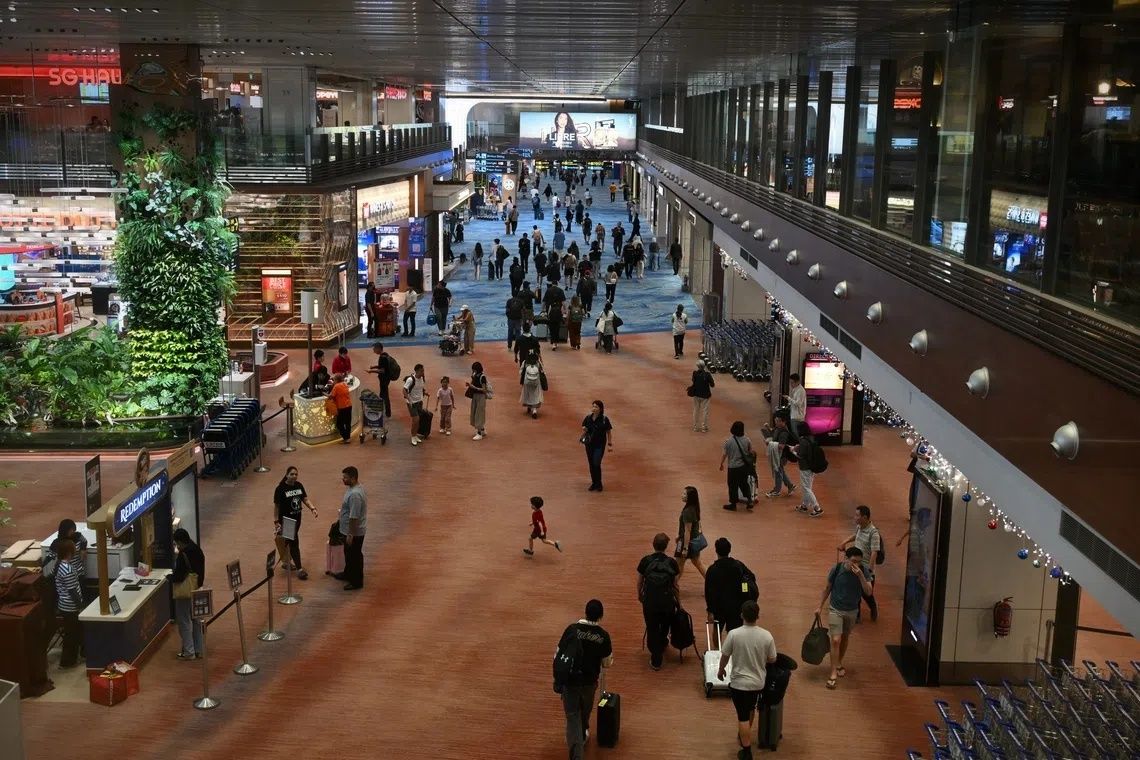
Singapore's airport police have secured arrests in two distinct perfume theft cases at Changi Airport, demonstrating how persistence and modern surveillance technology continue to catch offenders even months after crimes occur. A 37-year-old Australian national and a 50-year-old American national now face court appearances scheduled for August 17, with both men implicated in shop theft offences that carry potential sentences of up to seven years imprisonment, substantial fines, or both.
The first incident unfolded in the transit zone of Terminal 2 when retail staff discovered missing merchandise on November 19, 2025. A luxury perfume display had been stripped of two boxes valued at approximately $430. Security footage analysis identified the Australian traveller as the culprit, capturing him pocketing the items around 4.50pm and departing the store without payment. However, the suspect managed to leave Singapore before officers could apprehend him, effectively disappearing into the international travel system. The breakthrough came unexpectedly when the same individual transited through Changi Airport again on August 4—more than eight months after the initial theft—providing authorities the opportunity to finally make an arrest.
The second case involved a more rapid response from airport security personnel. On August 5 at approximately 1.25am, employees at a Terminal 1 retail outlet noticed a perfume box missing from their shelves. Investigators reviewed video evidence showing an American traveller completing the theft around 12.40am and identified him before he could board his outbound flight, enabling swift detention and preventing his departure. This case proved considerably more serious upon deeper investigation than initially apparent.
Subsequent examination of additional CCTV footage from the terminal revealed the American suspect's involvement in multiple thefts across the transit area. Beyond the single incident first reported, security data showed he had also stolen a second perfume box valued at $170 from another store, as well as a high-end perfume tester bottle priced at over $230 from yet another retail location. The cumulative value of all three stolen items reached beyond $717, substantially exceeding the initial theft report. Fortunately for the retailers, airport police managed to recover all stolen merchandise during the investigation.
The arrests underscore evolving patterns in airport retail crime and the increasing sophistication of security measures protecting travellers and merchants alike. Changi Airport, one of Asia's busiest aviation hubs, processes millions of passengers annually across its transit zones, where duty-free and luxury goods retailers operate particularly attractive target environments for opportunistic theft. The concentration of high-value merchandise in relatively accessible displays, combined with the transient nature of airport populations, historically created vulnerabilities that determined criminals exploited.
Modern CCTV infrastructure has fundamentally altered the equation for would-be offenders. According to Assistant Commissioner of Police M. Malathi, the technological advances in video surveillance systems, now standard across airport retail environments, have substantially improved detection capabilities. His public statement emphasised that these cases serve as cautionary reminders that even when criminals initially evade immediate apprehension, comprehensive investigations drawing on video evidence and international passenger records ultimately lead to identification and arrest. The message carries weight for regional travellers aware that airports maintain sophisticated tracking systems across multiple jurisdictions.
For Malaysian travellers and residents familiar with Changi Airport's popularity as a transit hub, these cases illustrate broader security infrastructure in action. Singapore's integrated approach—combining real-time retail monitoring with airport police coordination and international travel databases—creates a multi-layered system difficult for offenders to circumvent successfully. The eight-month gap between the Australian's initial theft and his capture during subsequent transit particularly demonstrates how airport security systems maintain persistent records and alert mechanisms capable of flagging known offenders returning to the facility.
The involvement of foreign nationals in both cases reflects broader traffic patterns at major aviation hubs, where international passenger flows naturally include individuals of diverse backgrounds. However, the common element—theft of premium perfumes from retail displays—suggests these offences were neither sophisticated organised crime operations nor crimes of desperation, but rather opportunistic thefts capitalising on momentary lapses in retail attention or perceived low-risk situations typical of busy transit environments.
Singapore's police have signalled their commitment to maintaining retail security standards within the airport complex through continued collaboration with retailers and stakeholder merchants. The Assistant Commissioner's statement regarding ongoing prevention and deterrence efforts indicates airport police units recognise that consistent enforcement, combined with visible security presence and public awareness of consequences, contributes to reducing shop theft across the facility. For merchants operating in Southeast Asian airports, these prosecutions reinforce that losses once considered inevitable costs of business can now be successfully prosecuted.
Both suspects now navigate Singapore's criminal justice process, facing potential incarceration that would extend far beyond their original transit plans. The cases demonstrate how technological vigilance and cross-border law enforcement cooperation create accountability mechanisms that modern air travel cannot escape, regardless of a passenger's initial success in evading immediate detection.

