A maritime tragedy unfolded near the Sungai Mersing estuary in Johor on Saturday evening when two boats collided, claiming two lives and leaving four others hospitalized. The Fire and Rescue Department received the emergency distress call at 9:04 pm, prompting an immediate coordinated response from rescue personnel stationed in the area. The incident highlights the ongoing safety risks associated with waterway navigation, particularly during evening hours when visibility is significantly reduced.
Fire and Rescue authorities mobilized swiftly to contain the situation and coordinate rescue operations. A dedicated Fire Rescue Tender and Fire Response Vehicle equipped with nine personnel from the Mersing Fire and Rescue Station were dispatched to the Mersing Jetty, where the collision had occurred. Upon arrival, the operational team confirmed that two vessels had indeed made contact in the water, resulting in multiple casualties requiring immediate medical intervention and emergency protocols.
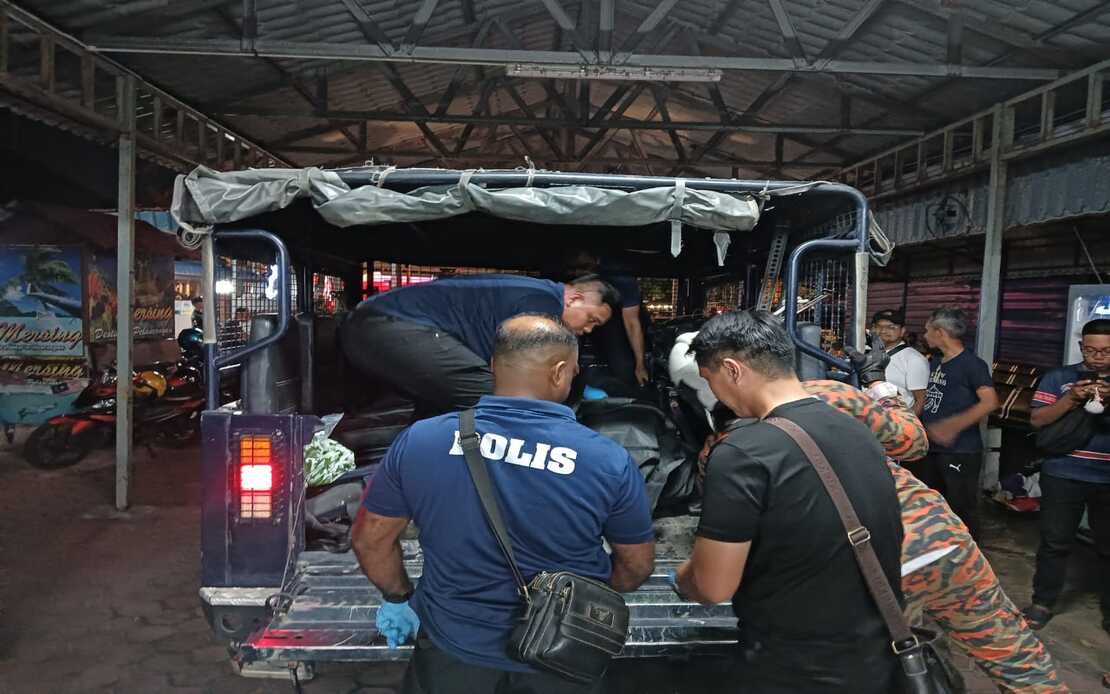
The fatalities were pronounced dead by medical personnel at the scene, and their bodies were subsequently transferred to police custody for formal documentation and further investigation procedures. The incident marks another serious maritime accident in Malaysian waters, adding to concerns about vessel traffic management and safety compliance in coastal and estuarine zones throughout the country. The two deceased individuals have become part of a concerning trend of water-related fatalities that regularly affect fishing communities and water-dependent populations across the peninsula.
Four additional victims sustained injuries during the collision and were extracted from the water by rescue personnel. These survivors received immediate medical attention at the scene before being transported to nearby medical facilities for comprehensive treatment and observation. The nature and severity of their injuries remained under assessment as emergency medical teams continued their evaluations throughout the evening, with authorities providing ongoing updates to next-of-kin and coordinating with hospital staff for appropriate placement and care protocols.
Mersing District Police Chief Superintendent Abdul Razak Abdullah Sani officially acknowledged the incident and confirmed that police had assumed investigative authority over the matter. The police investigation aims to determine the precise circumstances leading to the collision, including potential factors such as vessel operator experience, weather conditions, navigational errors, or equipment malfunction. Such inquiries are standard procedure following maritime incidents and help authorities identify systemic issues that may require regulatory attention or enforcement action.
The investigation into the collision remains active, with authorities pledging to issue a comprehensive media statement detailing preliminary findings once initial assessments are completed. This commitment to transparency reflects standard practice among Malaysian emergency response agencies, ensuring the public receives accurate information about the incident and any subsequent safety recommendations that may emerge from the investigation. The timeline and manner in which the investigation proceeds will likely set parameters for any regulatory changes or safety advisories affecting maritime operations in the Mersing area.
The Sungai Mersing estuary serves as an important waterway for both commercial fishing operations and recreational maritime activity, making it a critical zone for safety oversight. Estuarine environments present unique navigational challenges due to shifting water depths, tidal variations, and concentrated vessel traffic during peak fishing seasons. The collision reflects broader concerns about maritime safety infrastructure and enforcement mechanisms in smaller Malaysian ports and waterways, which often receive less regulatory attention than major commercial harbors like Port Klang or Port Tanjung Pelepas.
The incident carries implications for maritime safety policy across Southeast Asia, as regional waters continue to experience high traffic volumes with limited advanced monitoring systems. Malaysia's maritime authorities face ongoing pressure to enhance safety protocols, improve communication systems between vessels, and enforce stricter compliance with navigation regulations, particularly in areas where recreational and commercial traffic intersect. The Mersing accident will likely prompt renewed discussions within relevant agencies about resource allocation for maritime safety initiatives and whether existing regulatory frameworks adequately protect lives in coastal waters.
For the fishing communities dependent on these waterways, the collision serves as a sobering reminder of the occupational hazards inherent in maritime work. Mersing's economy relies substantially on fishing and water-based tourism, making maritime safety not merely a regulatory concern but an economic and social imperative. Families of the deceased and injured victims face both immediate trauma and potential long-term economic consequences, as fishing vessel operations often represent primary income sources for coastal households. The incident underscores the need for enhanced safety training, better equipment maintenance standards, and improved emergency response capacity throughout Malaysian maritime sectors.

