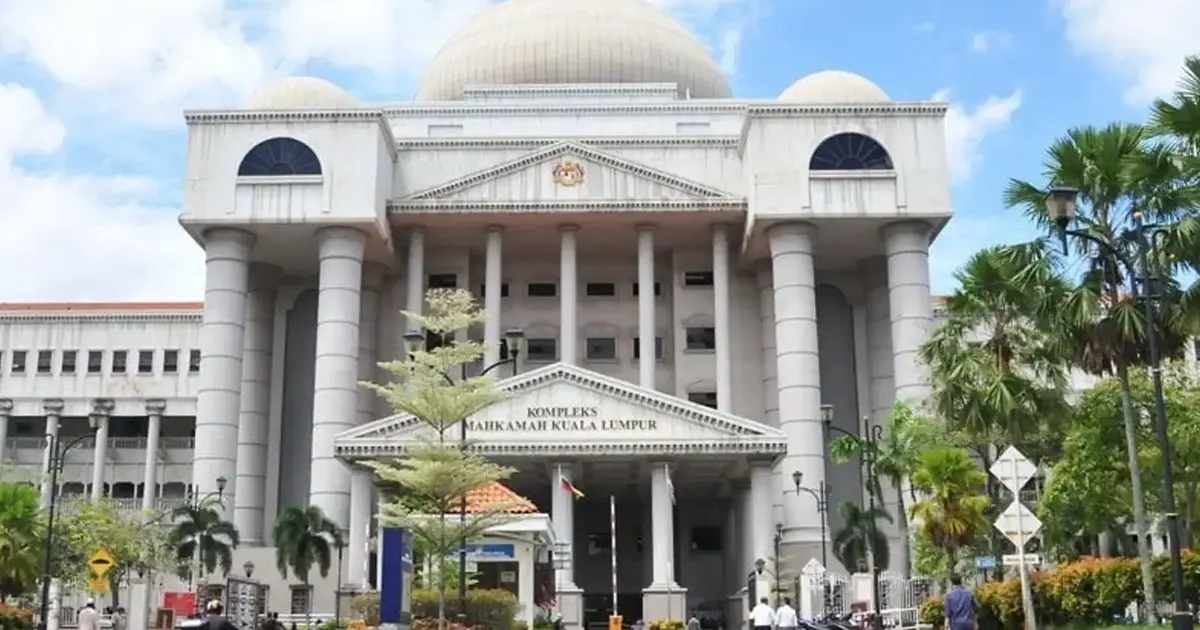
In a decision with implications for intellectual property practitioners across Southeast Asia, Malaysia's High Court has clarified that failing to serve a counterstatement within the prescribed timeframe does not necessarily derail a trademark application. The ruling establishes that what administrators and legal experts had long assumed to be a strict procedural requirement is in fact merely directory—meaning non-compliance, while irregular, need not prove fatal to the underlying claim.
The distinction between "mandatory" and "directory" requirements carries substantial weight in administrative and intellectual property law. Mandatory provisions represent absolute conditions that, if breached, render subsequent proceedings void or vulnerable to challenge. Directory provisions, by contrast, guide the proper functioning of procedures but do not invalidate outcomes when minor deviations occur. This High Court judgment places the "same time" requirement for serving counterstatements squarely in the latter category, provided that the delay is neither egregious nor prejudicial to the opposing party's interests.
Trademarks form the backbone of commercial identity in Malaysia and throughout the region. Businesses invest heavily in building brand recognition, and the legal framework protecting these assets must balance procedural certainty with practical justice. Companies ranging from multinational corporations registering their flagship brands to local enterprises protecting their market position depend on a trademark system that functions predictably yet fairly. Any ruling that clarifies the contours of procedural compliance therefore carries immediate relevance for thousands of trademark holders and their legal representatives.
The High Court's reasoning appears to hinge on the principle that procedural rules exist to serve substantive justice, not to thwart legitimate claims through technical tripping points. A two-day tardiness in submitting a counterstatement—documents filed in response to opposition or challenge during the trademark examination process—differs markedly from deliberate abandonment or wholesale disregard of filing obligations. Malaysian intellectual property law, like many common law systems, recognises that the purpose of procedural timelines is to ensure orderly case management and fair notice, not to create formalistic snares.
For trademark applicants, this ruling removes an element of jeopardy that previously shadowed their applications. An inadvertent delay, perhaps arising from administrative oversight, courier mishap, or brief miscalculation, will no longer automatically doom months of preparation and examination. This is particularly significant for small and medium-sized enterprises that may lack in-house legal expertise and rely on external counsel who occasionally—despite best efforts—encounter scheduling difficulties or miscommunication.
The decision also reflects broader judicial trends in Malaysia and the Commonwealth toward substance over form. Courts increasingly recognise that rigid adherence to procedural timetables, when no genuine prejudice flows from minor delays, can produce unjust outcomes. This philosophy has gained traction in various legal domains, from civil procedure to administrative law. By adopting this approach to trademark counterstatement deadlines, the High Court aligns trademark jurisprudence with contemporary judicial thinking about fairness and proportionality.
Opposing parties—those who file objections to trademark applications—may view this judgment with some concern. They rely on procedural safeguards to ensure that applicants respect filing deadlines and thereby demonstrate serious engagement with their obligations. However, the ruling does not provide blanket immunity for delays. The judge's language suggests that each case will be evaluated on its merits, with attention to the magnitude of the delay and whether the opposing party suffers genuine prejudice. A week's delay might receive different treatment than a month's absence of compliance.
The Malaysian Intellectual Property Office and regional trademark offices throughout Southeast Asia will likely monitor how this ruling influences subsequent decisions. The clarification could prompt procedural reviews and guidance updates, as administrators seek to ensure consistent application of the principle across different examiners and challenge proceedings. Transparency regarding which delays prove acceptable and which remain problematic serves the interests of all stakeholders.
For Malaysian businesses navigating intellectual property disputes, the practical takeaway involves both reassurance and continued diligence. While procedural perfection is no longer an absolute prerequisite for trademark protection, applicants and their advisers should not treat deadlines as suggestions. The safer course remains scrupulous compliance with filing timelines. However, should inadvertent delays occur, applicants now have a persuasive legal argument that their applications need not be surrendered without judicial consideration of the circumstances.
This decision also enhances Malaysia's position as a jurisdiction where trademark law balances predictability with flexibility. Regional companies choosing where to file trademark applications consider not only the strength of legal protection but also the reasonableness of procedural requirements. A framework perceived as excessively technical or harshly formalistic may discourage filings. The High Court's approach suggests a mature intellectual property regime that treats procedures as servants of justice rather than masters of litigants' fate.
The implications extend beyond individual trademark applications to the broader ecosystem of intellectual property enforcement. Consistency in how courts treat procedural irregularities influences business confidence, legal certainty, and the willingness of enterprises to invest in formalising their intellectual property portfolios. A system that permits dismissal on technical grounds without regard to substantive merit discourages investment in legitimate legal protection, ultimately harming innovation and brand development.
Moving forward, trademark practitioners in Malaysia and neighbouring jurisdictions should consult the detailed reasoning of this High Court judgment while remaining attentive to any appellate reconsideration. The ruling represents a significant clarification but not necessarily the final word on procedural requirements in trademark matters. Nevertheless, the judicial presumption now favours examining the substance of claims rather than collapsing them on procedural technicalities absent serious prejudice.

