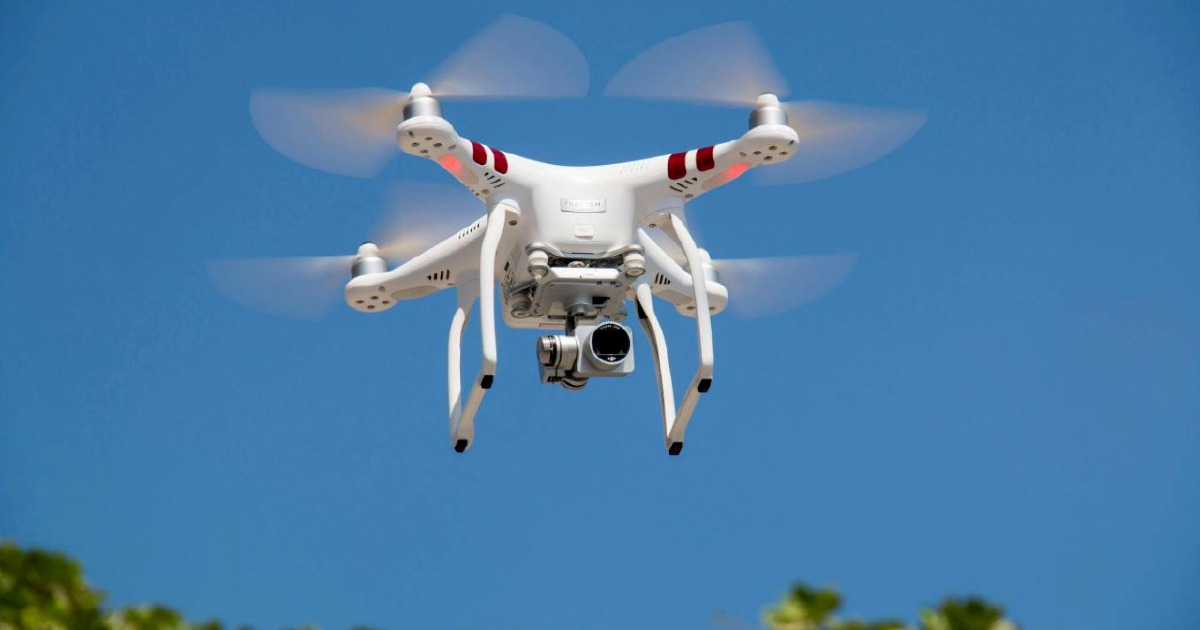
The use of unmanned aerial vehicles in prison contraband operations has emerged as an evolving challenge for Malaysian law enforcement. In the latest incident, Melaka police have arrested two people suspected of orchestrating an attempt to deliver prohibited tobacco products into Sungai Udang Prison using drone technology. The Wednesday raid on a residential property in Taman Kris Satria, located within the Sungai Udang vicinity, culminated in the detention of the two suspects as part of an ongoing investigation into the smuggling scheme.
The incident underscores a mounting problem at correctional facilities across Malaysia, where ingenuity in smuggling methods continues to outpace traditional detection capabilities. Drones represent a particularly difficult security challenge because they operate silently, can navigate around perimeter fencing, and leave minimal physical evidence once their cargo is delivered. The deployment of such technology for contraband runs suggests an increasingly sophisticated criminal approach that extends beyond simple fence-line passes or bribed staff members.
Tobacco products have long been a sought-after commodity within Malaysian prisons, commanding premium prices among inmates and serving as currency for transactions spanning everything from personal favours to settling disputes. The demand stems partly from the captive market nature of prison populations and partly from the hefty taxation that makes legal cigarettes expensive in Malaysia. Smuggling operations capitalise on this inherent demand, and syndicate members on the outside are willing to invest in technology like drones to facilitate supply chains that generate substantial profits.
The specific targeting of Sungai Udang Prison suggests that either the suspects had connections within the facility itself or had identified what they perceived as a vulnerability in the prison's air-space monitoring systems. Sungai Udang, located in Melaka, houses a significant inmate population and has been the focus of various security enhancement initiatives in recent years. The fact that authorities were able to detect and intercept this particular attempt indicates that enhanced surveillance measures may be yielding results, though questions remain about how many similar operations succeed undetected.
The investigation into the two arrested individuals will likely probe the broader network behind the smuggling attempt. Authorities typically seek to determine whether the suspects were acting as independent operators or functioning as members of an organised syndicate with tentacles extending into the prison system itself. The latter scenario would suggest more serious charges and more extensive follow-up investigations involving prison staff and inmates who may have been complicit in the operation.
From a security perspective, this incident reflects a gap between traditional prison perimeter defences, which were designed when the most advanced contraband delivery method involved someone throwing a package over a fence, and contemporary threats posed by emerging technologies. Prisons throughout Malaysia and the wider region are grappling with how to balance operational efficiency with enhanced aerial surveillance capabilities. Installing comprehensive drone-detection systems is expensive and requires ongoing maintenance and operator training, presenting budget constraints for already-stretched correctional services.
The role of drone technology in criminal activities has accelerated across multiple jurisdictions in recent years. Beyond prisons, unmanned aerial vehicles have been employed in drug smuggling across borders, surveillance operations preceding robberies, and delivery of weapons to gang members. The accessibility of consumer-grade drones combined with their relatively low cost has made them an attractive tool for criminal enterprises that previously would have relied on more labour-intensive and risky methods.
For Malaysian readers, this case serves as a reminder of the multifaceted challenges confronting law enforcement and correctional authorities. Prison security cannot exist in isolation from broader trends in criminal innovation. The resources invested in combating traditional smuggling methods must evolve to address new technological approaches. The arrested suspects now face charges related to contraband smuggling, and depending on the evidence gathered during the raid and subsequent investigation, additional charges may follow.
The incident also raises questions about prisoner safety and rehabilitation objectives. When contraband flows readily into facilities, it undermines disciplinary systems, fuels internal gang activities, and creates environments where violence and substance-related problems flourish. Combating smuggling operations therefore extends beyond simply intercepting individual shipments—it requires systemic approaches that address motivations on both supply and demand sides of the illicit prison economy.
As this case proceeds through the legal system, the outcomes and any revelations about the scope of the smuggling network will likely inform prison security policy decisions. Whether the drone-based approach represents an isolated attempt or part of a broader shift in contraband delivery methods remains to be determined through investigation. What is clear is that Malaysian correctional authorities must continue adapting their security frameworks to counter evolving criminal methodologies while maintaining the operational capacity to incarcerate and rehabilitate thousands of inmates across multiple facilities.

