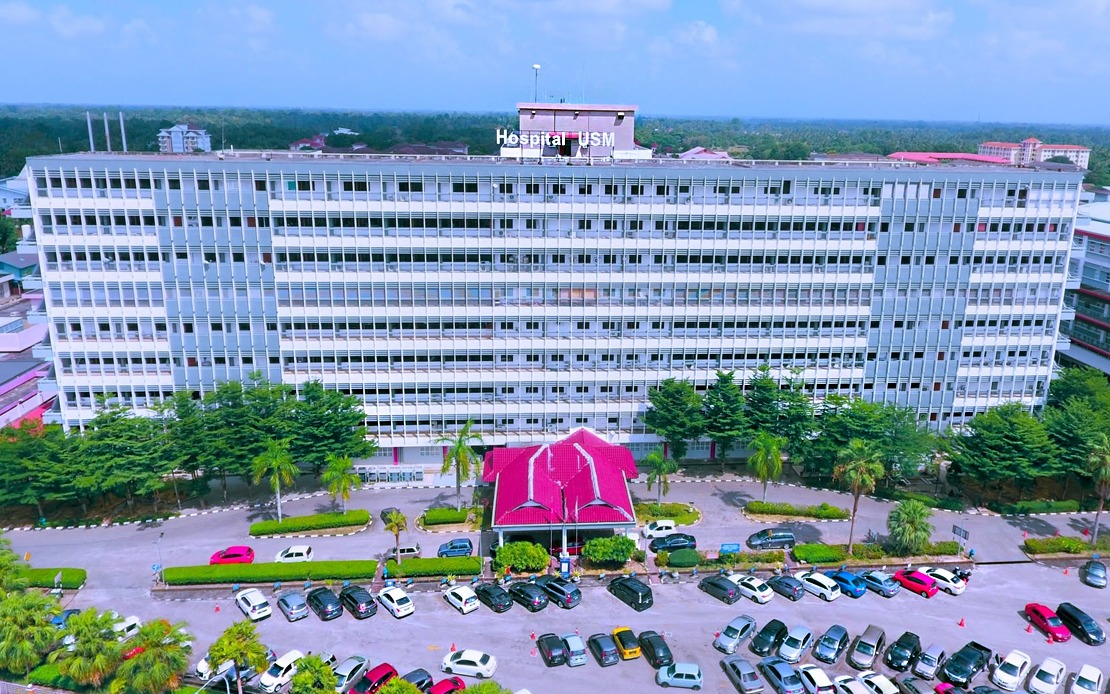
A cohort of twenty-three schoolchildren from Kelantan will receive surgical correction for strabismus—a condition where the eyes do not align properly—at Universiti Sains Malaysia Specialist Hospital (HPUSM) beginning August 16. The procedures, scheduled over five consecutive days, represent a watershed moment for the state's eye care infrastructure, as they promise to dramatically shrink waiting times that have historically stretched from several months into multiple years for affected students.
The initiative unfolds as part of the second Strabismus Surgery Carnival, a coordinated clinical event that assembles specialist ophthalmologists, resident doctors, and dedicated eye surgeons to deliver both diagnostic assessment and operative treatment in an intensive timeframe. According to Datuk Dr Ab Rahman Izani Ghani @ Ab Ghani, director of HPUSM, the concentrated effort reflects the hospital's commitment to clearing a substantial backlog whilst simultaneously building surgical capacity across the broader institution.
The participating students—ranging in age from seven to nineteen years old—emerged from an ambitious three-year school-based screening initiative termed the Short-sightedness and Strabismus Eye Intervention Programme. Operating across educational institutions throughout Kelantan, this systematic identification effort has evaluated hundreds of young people and documented approximately three hundred cases of ocular misalignment and related vision disorders. The carnival participants represent those deemed most suitable and medically ready for immediate surgical intervention.
Financial barriers have long impeded access to strabismus correction in Malaysia's public health system, with many families unable to afford private treatment. The current surgeries benefit from dual funding sources: the Kelantan Islamic Religious and Malay Customs Council (MAIK) has provided substantial backing, whilst several civil society organisations have contributed additional resources. This collaborative funding model demonstrates how government bodies and grassroots organisations can pool resources to address gaps in specialist surgical provision.
Prof Dr Shatriah Ismail, a paediatric ophthalmology consultant at USM's School of Medical Sciences, emphasises that strabismus extends far beyond aesthetic concerns. The misalignment of the eyes disrupts binocular coordination, compromises visual function, and can impede the normal maturation of depth perception and three-dimensional vision during critical developmental windows. Children with untreated strabismus frequently experience reduced academic performance, social withdrawal, and diminished self-regard as peers notice the visible eye deviation.
The psychological toll of strabismus in childhood should not be underestimated. Beyond the physiological consequences, affected young people often internalise shame about their appearance, potentially triggering isolation and behavioural difficulties that persist into adulthood. Early surgical correction, when timed appropriately, can restore normal eye alignment during formative years, allowing children to develop without the burden of perceived difference or functional visual limitations.
Strabismus management in Malaysia has historically lagged regional standards, partly because specialist training in paediatric eye surgery remains concentrated in academic centres like USM. The carnival model—which brings together trained surgeons, institutional resources, and community outreach—represents a replicable framework for other Malaysian states seeking to address similar waiting list crises. By staging intensive surgical campaigns, hospitals can compress months of procedural time into discrete periods whilst simultaneously training junior ophthalmologists in contemporary operative techniques.
The implications for Southeast Asian healthcare systems extend beyond Kelantan. Regional countries facing comparable backlogs in specialist surgical services might adopt similar concentrated carnival approaches, leveraging partnerships with religious councils, NGOs, and educational institutions to overcome resource constraints. The Malaysian model thus offers a potential template for addressing surgical deficits across the developing world.
Long-term follow-up care will determine the carnival's ultimate success. Strabismus surgery frequently requires post-operative monitoring to assess alignment stability, refractive error changes, and functional vision outcomes. HPUSM's integration of this carnival within its broader ophthalmology department suggests institutional commitment to longitudinal patient management rather than one-off intervention. This distinction separates genuine service improvement from superficial campaign activity.
The timing of this initiative coincides with broader Malaysian efforts to modernise public sector healthcare delivery and reduce waiting times across specialised services. Strabismus correction, though often overlooked in public health discourse dominated by non-communicable disease concerns, carries substantial cumulative burden when aggregated across the population. Untreated cases in childhood frequently lead to lifetime visual disability, occupational limitations, and reduced quality of life—making preventive intervention during school years a sound investment in long-term population health.
Expanding access to strabismus surgery through mechanisms like the HPUSM carnival also addresses equity considerations embedded in Malaysia's health system framework. Families in Kelantan and other peripheral regions have historically experienced longer waits for specialist procedures than urban populations, perpetuating regional disparities in health outcomes. By decentralising intensive surgical campaigns rather than concentrating them in Kuala Lumpur or Selangor, HPUSM demonstrates commitment to redressing these imbalances.
The twenty-three students selected for surgery this month represent merely the beginning of what should become sustained, programmatic expansion of strabismus services. Sustainability requires not only continued funding but also investment in training the next generation of Malaysian eye surgeons specialising in paediatric strabismus. Without such institutional capacity-building, carnival-based initiatives risk remaining episodic rather than transforming into embedded improvements in routine care delivery.

