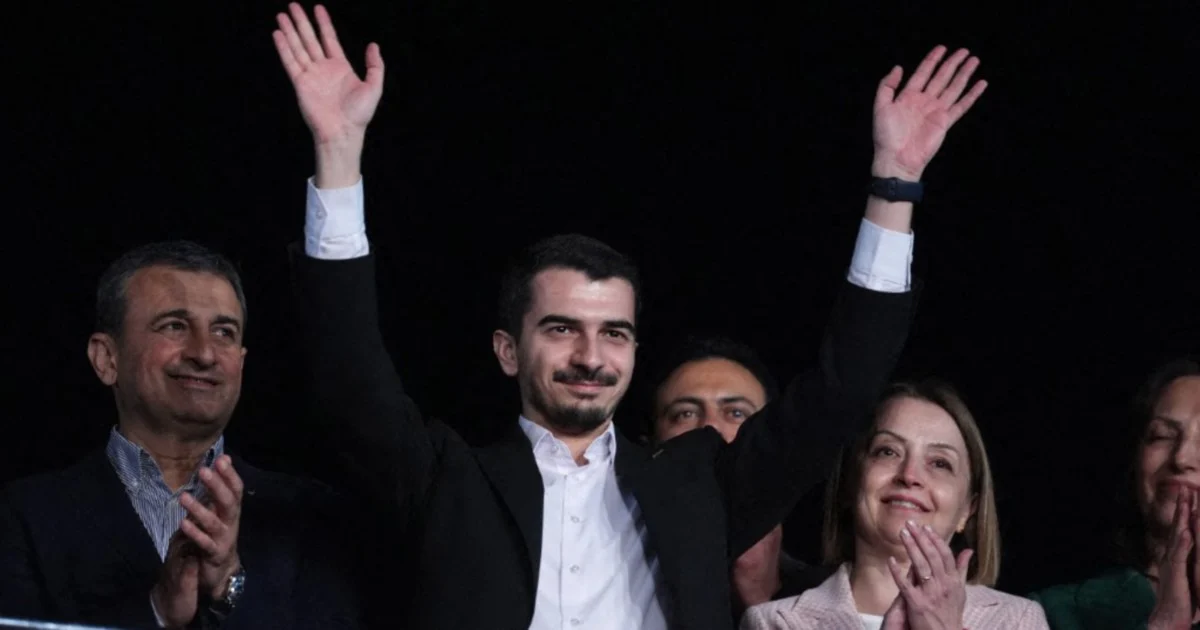
Turkish prosecutors have initiated a sweeping corruption investigation that has ensnared 36 individuals, among them the mayor of a district in the capital Ankara governed by the country's main opposition party. The Ankara chief prosecutor's office announced the detention orders, citing allegations of systematic bribery and manipulation of public tender procedures, adding significant pressure to the opposition camp amid broader concerns about governance and transparency in Turkey.
The scale of the operation underscores the depth of the alleged scheme. By targeting dozens of suspects simultaneously, authorities appear to be pursuing a coordinated network rather than isolated instances of misconduct. The inclusion of a municipal leader from the opposition suggests that graft allegations extend beyond party lines, though such simultaneous arrests of opposition figures often draw scrutiny regarding the political dimensions of judicial action in Turkey.
Tender-rigging remains a persistent challenge across Turkey and much of Southeast Asia. The process of awarding contracts for public works and services is vulnerable to manipulation when officials collude with contractors or consultants. In this investigation, prosecutors appear to be examining whether officials used their positions to steer contracts toward preferred bidders in exchange for illicit payments, a pattern that undermines fair competition and inflates public expenditure.
The Ankara municipality itself has become the focal point, given that the district in question operates under opposition party governance. Turkish local governments exercise considerable autonomy in procurement and budgeting, making them potential hotspots for financial irregularities. The opposition Republican People's Party (CHP) has positioned itself as an alternative to the ruling Justice and Development Party (AKP), and corruption allegations against its officials carry particular political weight in the country's polarised environment.
For Malaysian observers, the case illustrates tensions that exist across developing democracies regarding the separation of powers and the independence of prosecutorial institutions. Turkey's judicial system has faced international criticism over concerns that corruption probes sometimes reflect political calculations rather than purely legal merit. Distinguishing genuine accountability from politically motivated prosecution remains challenging for outside observers, though the broad nature of this operation suggests at least a formal investigation into substantial irregularities.
The bribery component of the allegations points to a supply-chain corruption problem affecting public services. When officials receive payments from contractors, the practice typically inflates costs for taxpayers while rewarding inefficiency. Bidders with connections rather than capability win contracts, and the final delivered services or infrastructure often suffer in quality. This pattern has damaged public trust in institutions across the Middle East and beyond.
Turkey's graft investigations carry broader implications for investor confidence and international standing. Western governments and multilateral institutions monitor judicial independence and corruption trends closely. A perception that prosecutions are selective or politically motivated can undermine Turkey's credibility in trade negotiations and development partnerships. Conversely, demonstrating genuine commitment to rooting out corruption—regardless of party affiliation—strengthens institutional legitimacy and democratic governance.
The detention of 36 suspects suggests that prosecutors may have accumulated substantial documentary evidence or witness testimony. Large-scale operations typically result from months of preliminary investigation. The timing and scope of public announcements about such detentions carry significance in Turkey's media ecosystem, where narratives around corruption investigations often become politicised within hours of disclosure.
Similar corruption scandals involving municipal governments have surfaced in Indonesia, Philippines, and other Southeast Asian democracies, reflecting common vulnerabilities in local-level governance. The challenge facing all these nations involves strengthening internal audit mechanisms, enhancing transparency in tender processes, and ensuring that anticorruption efforts maintain public confidence in their impartiality. Turkey's experience serves as a regional reference point for how corruption investigations intersect with political competition.
The investigation's outcome will influence perceptions of institutional accountability in Turkey's municipal sector. If prosecutions proceed fairly and yield convictions based on evidence, the case could demonstrate that no politician stands above the law. However, if the process appears selective or if acquittals later suggest weak evidence, public cynicism about the justice system would deepen. Either trajectory carries lessons for how emerging democracies navigate the demanding balance between fighting corruption and preserving judicial impartiality.

