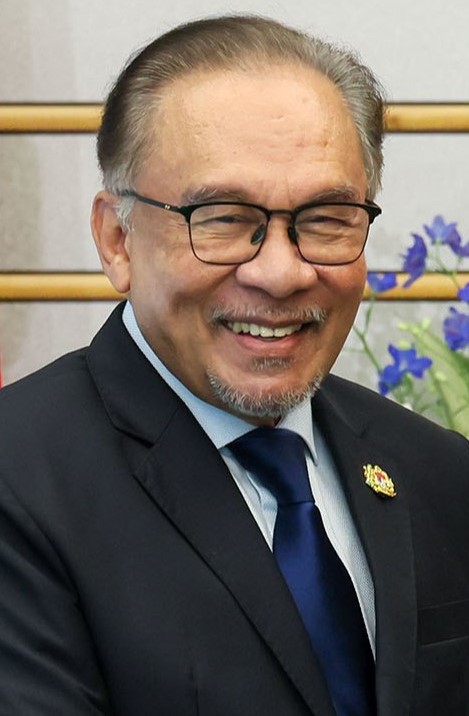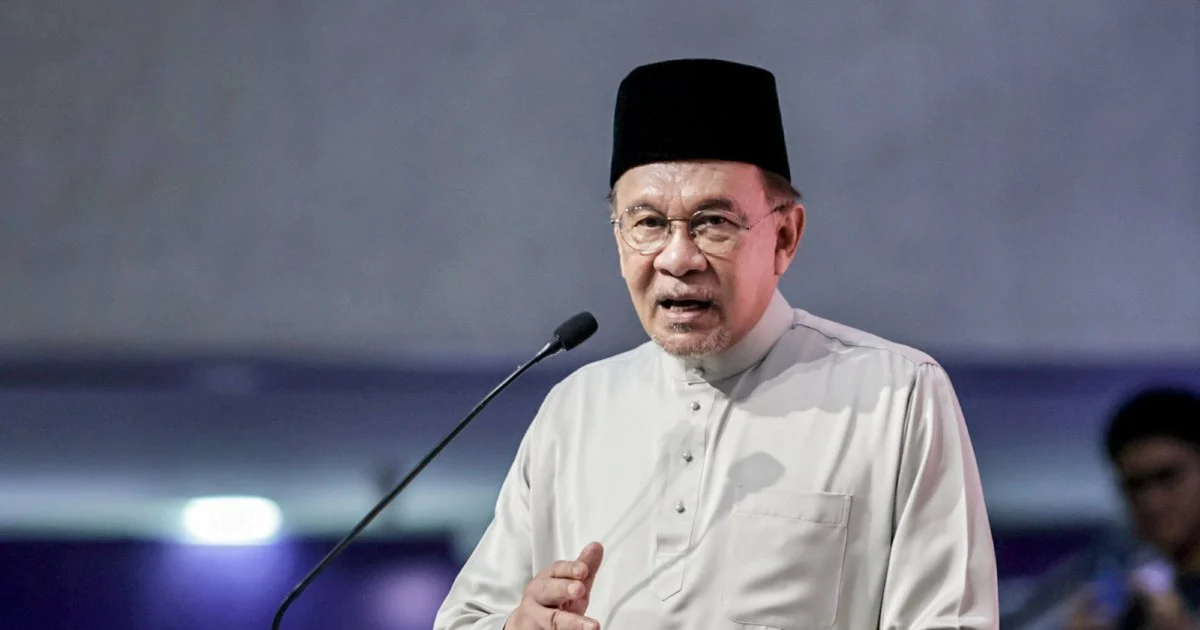
The Tunku Mahkota of Johor, Tunku Ismail Sultan Ibrahim, hosted Prime Minister Datuk Seri Anwar Ibrahim for a private meeting in Kuala Lumpur, marking another instance of engagement between the palace and the federal administration. The encounter was characterised by both parties as warm and constructive, reflecting ongoing dialogue between the state's royal institution and the nation's top elected official.
Such audiences between senior royalty and the Prime Minister serve as important moments for addressing matters of mutual interest and concern. The Tunku Mahkota, as the heir to the Johor throne, holds considerable influence within his state and maintains a platform on national issues that resonate across Malaysia. His willingness to receive the Prime Minister underscores the continuing relevance of institutional channels through which state leadership and federal governance remain connected.
For Malaysia's federal system, these meetings between rulers and the Prime Minister represent a fundamental aspect of constitutional governance. The Yang di-Pertuan Agong and state rulers maintain formal roles in the political framework, requiring periodic engagement with the executive branch. When conducted at this level—between a state's heir apparent and the head of government—such meetings often signal alignment on significant policy matters or serve as forums for resolving administrative concerns specific to particular states.
Johor, as the nation's second-largest state by economy and population, holds particular strategic importance within Malaysia's federal structure. The relationship between Johor's royal house and the federal government carries implications for the broader political landscape, especially given the state's economic contributions and its historical influence on national politics. The Tunku Mahkota's prominence in recent years has elevated his profile as a figure engaged with contemporary national conversations, from economic development to institutional matters.
The characterisation of the meeting as cordial suggests an absence of friction between the palace and the current administration. Political dynamics in Malaysia frequently involve nuanced relationships between state and federal authorities, with occasional tensions emerging over jurisdiction, revenue allocation, or policy direction. A harmonious encounter between these figures therefore carries weight for observers assessing the stability of federal-state relations during this political period.
Prime Minister Anwar Ibrahim has emphasised the importance of maintaining strong relationships with Malaysia's royal institutions as part of his broader governance agenda. His administration has sought to balance multiple competing demands across the federation, and cooperation with state leadership—particularly influential figures like the Tunku Mahkota—can facilitate smoother policy implementation and enhance governmental effectiveness. The meeting reflects this commitment to institutional engagement.
The Tunku Mahkota has also been visible in various capacities beyond his hereditary role, including involvement in commercial and developmental initiatives within Johor. His meetings with federal leaders often touch upon matters ranging from infrastructure projects to economic zones that require coordination between state and national authorities. Such discussions, while not always publicly detailed, shape the practical implementation of Malaysia's federal agenda across different regions.
From a Southeast Asian perspective, Malaysia's ability to maintain institutional harmony between royal and elected leadership provides stability that many neighbouring nations view with interest. The region has experienced varying degrees of tension between traditional authorities and modern democratic institutions, making Malaysia's constitutional arrangements a subject of comparative study. Meetings like this one reflect the functioning of those arrangements in practice.
The timing of the audience, while not explicitly reported as connected to any particular crisis or agenda item, occurs within a broader context of political consolidation by the current administration. The Tunku Mahkota's reception of the Prime Minister demonstrates the administration's access to key stakeholders across Malaysia's institutional landscape. Such engagement can facilitate dialogue on matters ranging from economic cooperation to support for federal initiatives requiring state-level collaboration.
Looking forward, the continuation of positive relations between federal leadership and state royal institutions remains important for Malaysia's political stability. As the country navigates economic challenges and pursues development goals, cooperation across these different centres of authority becomes increasingly valuable. The meeting between Tunku Ismail Sultan Ibrahim and Prime Minister Anwar Ibrahim exemplifies the kind of institutional engagement that underlies Malaysia's constitutional system and supports effective governance across its federated states.
Such audiences also provide opportunities for informal discussions on matters that might not feature prominently in public discourse but carry significance for state-federal relations. The Tunku Mahkota's audience with the Prime Minister thus represents not merely a ceremonial encounter but a functional aspect of Malaysia's governance architecture, enabling communication and understanding between powerful institutional actors whose cooperation shapes outcomes for the nation as a whole.