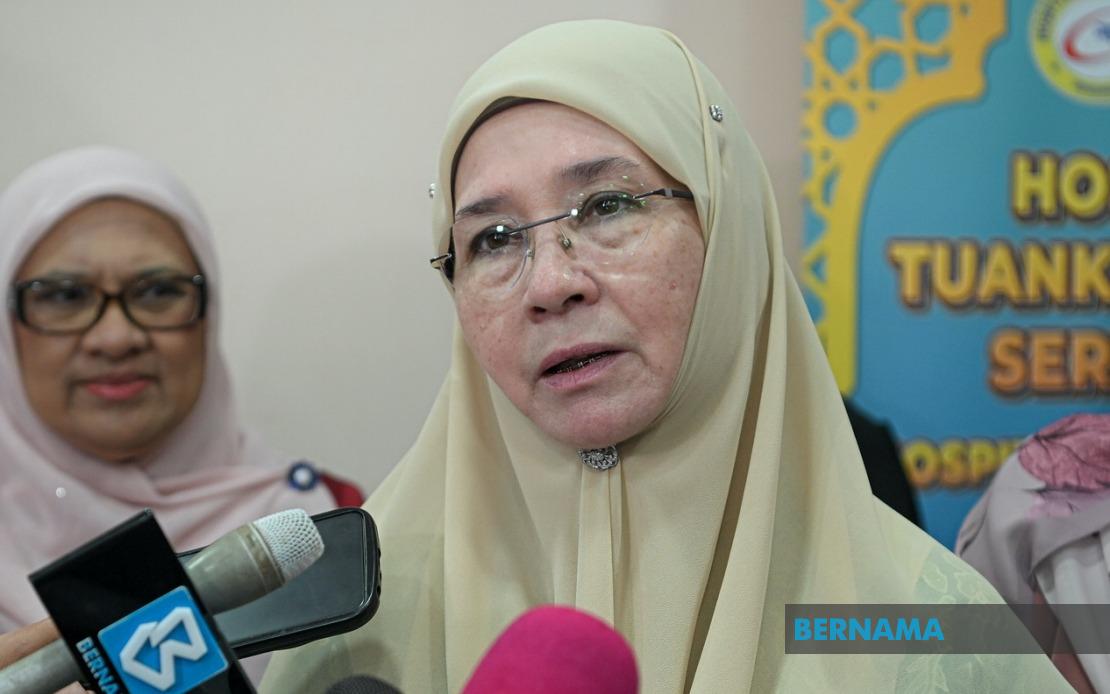
The Tengku Ampuan Pahang has stepped into the contentious land dispute affecting the Orang Asli community in Kampung Sungai Cot, Maran, by offering her personal land holdings as temporary refuge for displaced families. Through her comptroller, Major General Datuk Mohamed Zahari Yahya, Tunku Azizah Aminah Maimunah Iskandariah has expressed deep sympathy for those caught in the territorial conflict whilst extending a concrete gesture of support that signals royal commitment to indigenous welfare in the state.
The offer represents more than a simple provision of alternative shelter. Mohamed Zahari elaborated that Tunku Azizah has followed the situation closely and fully comprehends the psychological toll and material hardship endured by affected residents. Her intervention reflects a personal investment in Pahang's indigenous peoples, whom she views not merely as constituents but as a community deserving special consideration within the sultanate's broader fabric.
This perspective has been shaped significantly by academic inquiry. The Tengku Ampuan is currently undertaking postgraduate research that has deepened her understanding of the Orang Asli's historical contributions to Pahang's development. Through scholarly examination, she has gained insight into how indigenous communities have shaped the state's trajectory over generations—a realisation that has anchored her conviction that their contemporary welfare must remain a priority. This intellectual engagement adds dimension to what might otherwise appear as conventional royal patronage, suggesting a more substantive engagement with indigenous issues.
Crucially, Tunku Azizah has sought to provide reassurance beyond immediate resettlement. She has guaranteed that should her land in Kuala Wau undergo future development, any Orang Asli families residing there would retain secure tenancy and remain protected from marginalisation. This commitment aims to assuage fears common among indigenous communities regarding land development—the anxiety that temporary arrangements might transform into permanent displacement once commercial or infrastructural interests materialise. By anchoring these protections in her personal authority, the Tengku Ampuan has sought to elevate the arrangement above ordinary administrative arrangements.
The initiative extends beyond the specific Maran dispute. Mohamed Zahari clarified that any Orang Asli family facing housing insecurity across Pahang may access the Kuala Wau land subject to royal approval and existing statutory frameworks. This broader scope indicates an intention to establish a precedent for addressing indigenous shelter deficits regionally, potentially creating a model for other states navigating similar tensions between land rights, development pressures, and indigenous welfare.
The territorial conflict in Kampung Sungai Cot reflects broader complexities inherent to Malaysia's land administration framework. Indigenous land rights exist in constant tension with state ownership protocols and commercial development imperatives. The Orang Asli's historical occupation of territories often lacks formal legal recognition under modern cadastral systems, rendering their claims vulnerable when external parties assert competing interests. The Maran situation exemplifies this structural vulnerability that has perpetually disadvantaged Malaysia's first peoples in land disputes.
Tunku Azizah's intervention arrives as Prime Minister Datuk Seri Anwar Ibrahim has also directed attention toward the controversy. Anwar has signalled intention to engage the Pahang state government on the matter, acknowledging that whilst sympathetic to indigenous concerns, constitutional arrangements place land administration under state authority. This layering of attention—from both federal leadership and the sultanate—indicates recognition that the dispute carries implications beyond localised community tensions, potentially affecting broader indigenous affairs policy and federal-state coordination on indigenous welfare initiatives.
The call for constructive resolution represents a diplomatic positioning that stops short of prescribing specific outcomes. Tunku Azizah has urged all parties involved to prioritise mutual understanding and dialogue-based settlement rather than adversarial contestation. This rhetoric emphasises fairness to competing interests whilst maintaining focus on protecting Orang Asli welfare—a balance that acknowledges legitimate claims across the dispute spectrum without surrendering concern for indigenous security.
For Malaysian readers, particularly those in Pahang and neighbouring states, the royal intervention signals that indigenous land disputes retain political salience at the highest governance levels. It demonstrates that royal institutions can serve as vehicles for addressing indigenous welfare challenges when bureaucratic or commercial mechanisms fail affected communities. However, it also underscores the continued dependence of Orang Asli on patronage rather than structural rights reform—the offer addresses symptoms of dispossession rather than its root causes embedded in Malaysian property law and development frameworks.
The Kuala Wau land offer, whilst materially significant for affected families, cannot fully resolve the underlying tensions that generated the Maran dispute. Temporary resettlement improves immediate circumstances but does not address broader questions regarding indigenous land tenure security, decision-making authority over territories affecting Orang Asli communities, or mechanisms ensuring development does not perpetuate historical patterns of displacement. The initiative represents compassionate intervention within existing power structures rather than fundamental recalibration of indigenous land rights protections.
Regionally, the episode carries implications for Southeast Asian jurisdictions managing indigenous affairs. Malaysia's approach—combining royal patronage, political attention, and temporary accommodation without systemic land rights reform—contrasts with indigenous policy frameworks in some neighbouring nations. The reliance on individual magnanimity rather than institutionalised protections remains characteristic of how Malaysia addresses indigenous welfare, reflecting broader assumptions about the appropriate relationship between state authority, indigenous communities, and land administration.
Moving forward, the resolution pathway depends partly on whether the royal land offer reduces pressure for more substantial reform or conversely generates momentum for systemic change. If the temporary arrangement successfully stabilises the Kampung Sungai Cot situation without addressing dispute origins, it may demonstrate the adequacy of patronage-based solutions. Alternatively, if the underlying conflict resurfaces or similar disputes emerge elsewhere, it might catalyse recognition that indigenous welfare requires frameworks transcending individual compassion and extending to constitutional or legislative recalibration of indigenous land rights within Malaysia's property and administrative systems.

