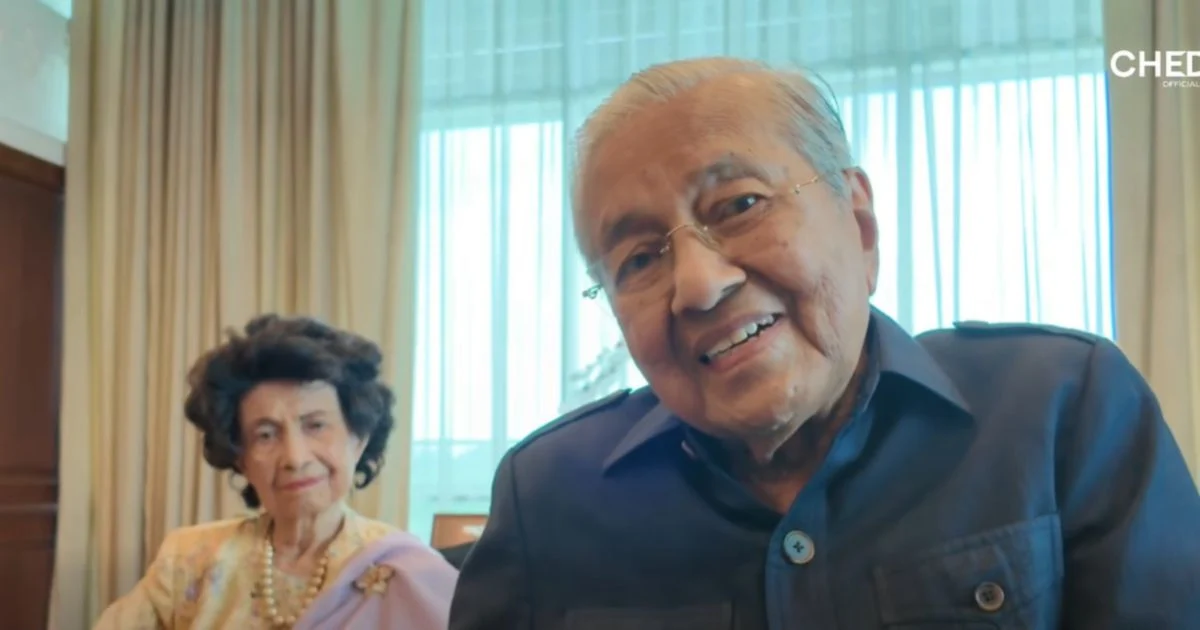
Tun Dr Mahathir Mohamad, who continues to remain a prominent and influential figure in Malaysian public discourse, has publicly acknowledged the substantial show of affection from across the nation marking his entry into his 102nd year of life. The former prime minister conveyed his thanks to Malaysians for the multitude of birthday wishes and greetings that arrived as he turned 101 years old, reflecting the enduring respect and recognition he commands within the country despite stepping down from high office.
The milestone birthday represents a significant moment in Malaysian history, given Tun Mahathir's towering presence throughout the nation's post-independence trajectory. His decades-long tenure as prime minister shaped much of the country's modern development, economic policy, and international standing, making his personal milestones occasions of wider national interest and reflection.
The outpouring of messages from across Malaysian society underscores the broad spectrum of public affection that continues to surround the nonagenarian statesman. From political figures to ordinary citizens, the volume of birthday greetings demonstrates that his influence extends well beyond narrow factional lines, touching constituents from various walks of life and ideological persuasions.
At 101 years old, Tun Mahathir has become one of Malaysia's most visibly active and engaged elder statespeople. Unlike many figures who retreat from public view after leaving office, he has maintained a presence in national discourse, offering commentary on contemporary issues and remaining involved in political and social matters affecting the country.
The significance of reaching 101 years intersects with broader questions about political legacy and continuity in Malaysia. Tun Mahathir's longevity has allowed him to witness and participate in the evolution of the nation from the perspectives of different eras, making him a living repository of historical memory and institutional knowledge.
Birthday celebrations in Malaysian culture frequently transcend mere personal occasions, particularly when they involve nationally prominent figures. The greeting cards and written messages he received reflect customary expressions of respect and goodwill, practices deeply embedded in Malaysian social conventions and traditions of honouring elder figures.
The public acknowledgment of these wishes serves multiple purposes in Malaysia's political and social context. It provides Tun Mahathir with an opportunity to remain visible to the electorate and demonstrate his continued connection to the Malaysian people, while simultaneously allowing citizens to express their sentiments toward a historical figure who shaped their nation's contemporary trajectory.
His gratitude, articulated publicly, demonstrates the continued relevance he places on maintaining relationships with the broader Malaysian community. This engagement with public sentiment, even through a simple thank you message, reinforces his positioning as a statesman who values connection with those he once served as the nation's most senior political leader.
The occasion also provides Malaysians an opportunity to reflect on historical continuity and generational change. With Tun Mahathir now in his second century of life, the nation continues to grapple with questions about succession, the passing of institutional knowledge, and the roles elder statespeople play in guiding younger generations of political leaders and citizens.
In the contemporary Malaysian political landscape, marked frequently by division and competing visions for the country's future, such moments of broad public affection and acknowledgment represent rare instances of collective sentiment that transcend the usual factional divisions that characterize national discourse.

