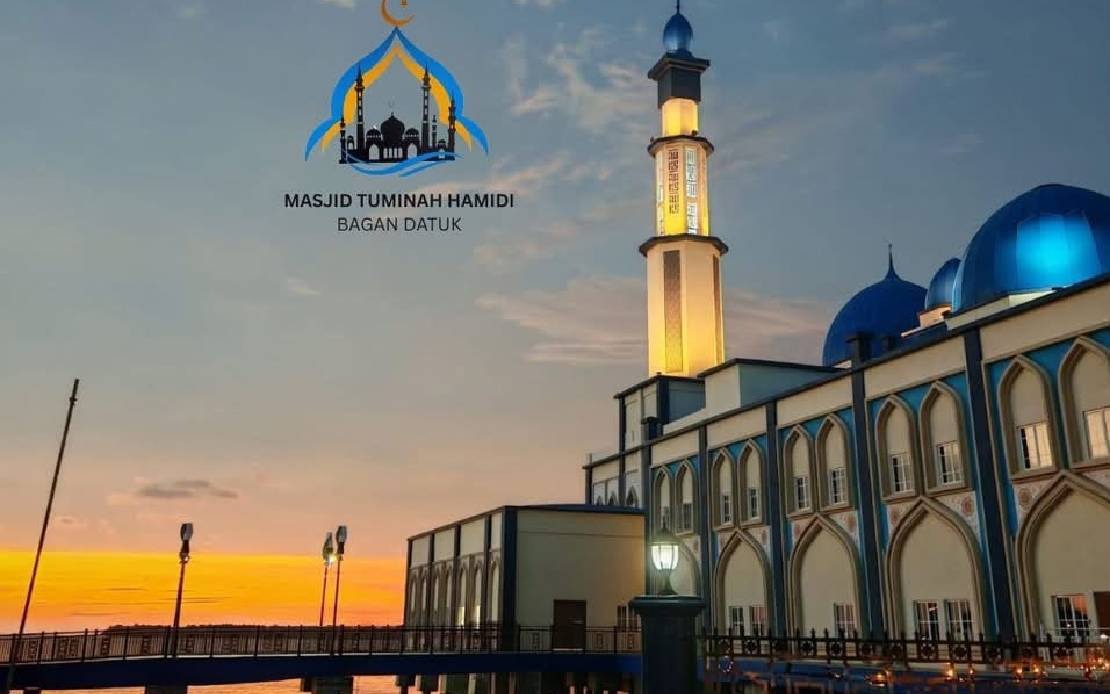
Malaysia will celebrate its inaugural National Mosque Open Day at the Tuminah Hamidi Mosque in Bagan Datuk from August 13 to 15, marking a significant milestone in the country's approach to interfaith engagement and cultural tourism. The three-day event, organised by the Islamic Tourism Centre under the Ministry of Tourism, Arts and Culture, aims to reposition mosques as more than religious sanctuaries, inviting Malaysians and international visitors to experience the architectural, historical and communal dimensions of Islamic spaces regardless of their faith background.
The initiative reflects Malaysia's broader strategy to strengthen its credentials as a leading Muslim-friendly tourism destination while simultaneously advancing domestic interfaith understanding. By opening mosque doors to the general public, the government signals a confidence in the country's religious tolerance and institutional capacity to host diverse visitors in sacred spaces. This comes at a time when many nations grapple with religious polarisation, making Malaysia's approach noteworthy for Southeast Asian readers observing how multicultural societies can leverage cultural tourism for social cohesion.
The three-day programme has been carefully curated to appeal to visitors with varied interests. The opening day on August 13 emphasises spiritual and cultural dimensions, beginning with a Qasidah performance by the Nur Ahli Badar group, followed by religious talks delivered by Ustaz Habib Ali Zaenal Abidin Alhamid and Ustaz Habib Najmuddin Othman Alkhered. This programming choice balances accessibility for non-Muslim visitors with authentic Islamic cultural experiences, allowing attendees to understand Islamic devotional traditions in their original context.
August 15 transforms the event into a major community festival at Dataran Bagan Datuk, blending sports, entertainment and cultural activities across multiple platforms. The day begins with a brisk walk led by actor Bell Ngasri, creating an informal entry point for families and fitness enthusiasts before they explore the mosque and surrounding grounds. This approach—layering recreational activities atop cultural and religious programming—maximises attendance across demographic groups and age brackets.
The festival programming encompasses competitive and participatory elements designed to engage younger audiences particularly. Street soccer tournaments, e-sports competitions, and archery provide action-oriented activities appealing to teenagers and young adults, while the khat calligraphy demonstrations and azan competitions offer cultural education. Children benefit from dedicated activities including colouring contests, ensuring families can participate meaningfully together rather than experiencing passive observation.
Entertainment figures including Aril Pilus and Elly Mazlein will perform at the event, alongside exhibitor presentations and lucky draws distributed throughout the day. This celebrity involvement extends the event's reach beyond the immediate community, leveraging social media followings and popular culture to drive attendance. For Malaysian readers familiar with these personalities, their involvement enhances the event's cultural credibility and entertainment value, positioning it as a mainstream occasion rather than a niche religious activity.
Admission remains entirely free and explicitly welcomes visitors regardless of race, religion or nationality, removing economic barriers that might otherwise restrict participation. This accessibility is particularly significant for lower-income Malaysian families and international tourists on limited budgets, expanding the potential audience beyond affluent demographics. The messaging emphasises inclusivity at multiple levels—not merely stating that non-Muslims are welcome, but actively designing programming that delivers meaningful experiences for diverse audiences.
Deputy Prime Minister Datuk Seri Dr Ahmad Zahid Hamidi will officially launch the National Mosque Open Day 2026, conferring high-level government endorsement on the initiative. This political backing signals that interfaith engagement and cultural tourism constitute genuine policy priorities rather than peripheral activities. For Southeast Asian observers, such senior-level participation demonstrates government commitment to religious tolerance as a national asset rather than a reluctant accommodation of pluralism.
The Islamic Tourism Centre's monthly Mosque Open Day programme, of which this event is a flagship iteration, represents an institutionalised approach to interfaith tourism and community engagement. Rather than relying on one-off events or ad-hoc mosque visits, the centre has established a recurring framework that normalises public access to Islamic spaces and positions mosques as key cultural tourism attractions. This systematic approach enables the development of best practices, volunteer training programmes and visitor management protocols across participating institutions.
For Malaysia's tourism industry, the initiative addresses a significant market opportunity. Muslim-friendly tourism has experienced substantial growth globally, with travellers increasingly seeking culturally authentic experiences alongside accommodation and dining facilities. By positioning mosques as primary attractions rather than peripheral sites, Malaysia can differentiate its tourism offering within Southeast Asia while appealing to both domestic heritage tourism and international Islamic tourism segments.
The event's emphasis on community values, tradition and Malaysian hospitality reflects deliberate messaging around national identity. Rather than framing religious spaces as exclusively devotional, the programming narrative emphasises mosques as repositories of community memory, civic engagement and cultural continuity. This positioning resonates with government narratives about strengthening national unity through shared appreciation of diverse heritage.
For religious minorities and non-Muslim Malaysians, the open-door policy offers tangible opportunities to learn about Islamic architectural traditions, understand devotional practices and interact with Muslim community members in welcoming settings. Such direct engagement counters stereotypes and builds interpersonal understanding that persists beyond the event itself. Conversely, Muslim participants benefit from witnessing their religious spaces and traditions received positively by diverse audiences, potentially reinforcing pride in Islamic heritage.
As Malaysia continues positioning itself within the Muslim-friendly tourism ecosystem, events like the National Mosque Open Day demonstrate how cultural diplomacy and domestic social cohesion objectives can align. The initiative transforms potential sources of religious tension into opportunities for shared celebration, leveraging Malaysia's multicultural composition as a competitive advantage in global tourism markets while simultaneously strengthening domestic interfaith relations. For further information, interested visitors can access mymuslimtrip.com or follow the Islamic Tourism Centre on Facebook and Instagram.

