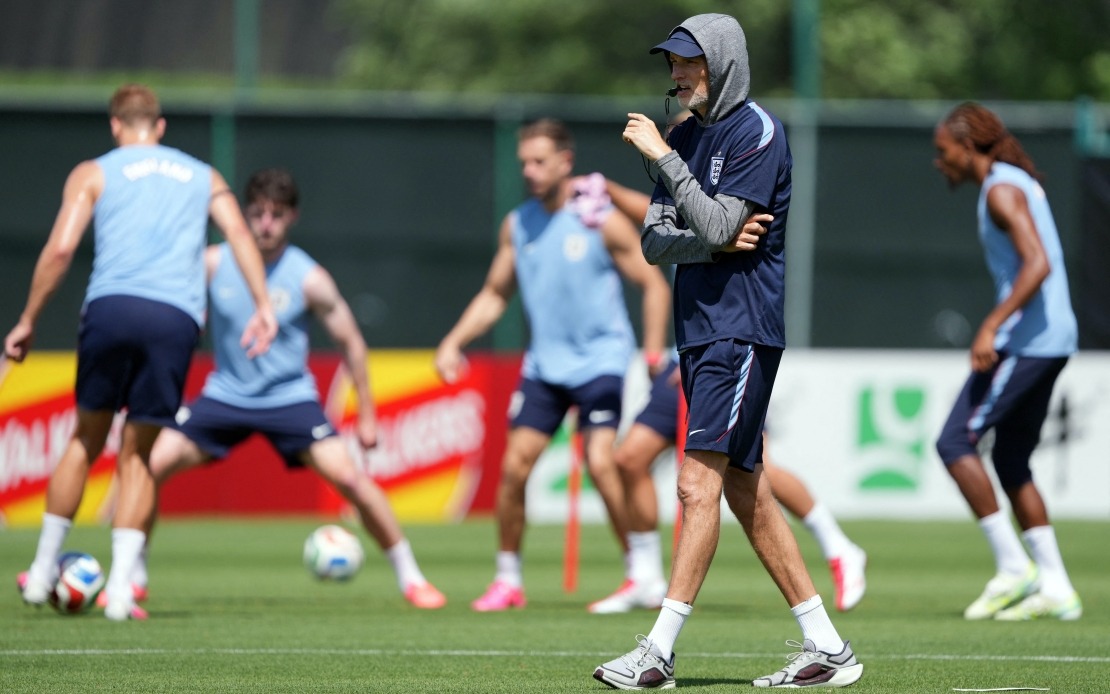
England will face the Democratic Republic of Congo in a World Cup last-32 encounter at a markedly different time from their earlier tournament matches, with manager Thomas Tuchel acutely aware of the broadcasting advantage this presents to younger supporters back home. The contest, scheduled to kick off at 5 pm United Kingdom time from Atlanta, offers a rare opportunity for children who typically must retire early to experience their first England match of the competition live, a luxury not afforded by the late evening starts of group-stage fixtures against Croatia and Ghana or Saturday's Panama encounter which began at 10 pm local time.
Tuchel has signalled his intention to make the most of this platform, recognising that the younger demographic watching at such an accessible hour represents both an opportunity and a responsibility for the national team. The England boss articulated a nuanced vision of what constitutes entertainment, moving beyond the conventional emphasis on attacking prowess or tactical explosiveness. While acknowledging that the opposition may not necessarily embrace an open, front-foot approach to the game, Tuchel expressed confidence that the energy and spirit his team brings to the pitch could resonate powerfully with viewers, irrespective of how the football unfolds tactically or strategically.
The timing decision reflects the tournament's scheduling considerations, particularly the stark contrast between the afternoon Atlantic coast start and the 10 pm kickoff for England's Panama victory just days earlier. For Malaysian audiences and those across Asia-Pacific viewing via delayed broadcasts, this match also carries less punishing scheduling demands than earlier group encounters. The deliberate placement of the knockout fixture at a time when young supporters remain awake and alert represents a marked shift from the tournament's initial configuration, where organisers prioritised evening slots that suited European television markets at the expense of family viewing in the United Kingdom.
Tuchel's commentary on expectation management warrants particular attention, given the perennial tension between tactical discipline and entertaining football in knockout competition. His acknowledgement that "not everyone wants to play exciting football and front-foot football" reflects a sophisticated understanding that Congo may adopt a pragmatic defensive approach, potentially frustrating England's attacking instincts. Rather than dismiss such scenarios as boring, Tuchel framed them as opportunities to demonstrate character and commitment, qualities he believes transmit effectively through television screens and resonate emotionally with supporters regardless of age.
The psychological dimension of Tuchel's remarks extends to the broader mission of inspiring the next generation of England supporters. By emphasising the team's passion and internal spirit rather than guaranteeing a free-flowing spectacle, the manager set realistic parameters while maintaining an implicit promise that young viewers would witness something meaningful beyond mere scoreline. This approach acknowledges the unpredictability inherent in knockout football, where defensive solidity and mental resilience often determine outcomes as decisively as technical brilliance or creative flair.
From a practical standpoint, the afternoon start time also carries implications for team preparation and recovery cycles. England must ensure players remain sharp despite the disruption to typical matchday routines, particularly given the intensity expected in knockout competition. The relatively early kickoff eliminates the option for late morning activation protocols that teams typically employ before evening fixtures, potentially requiring alternative tactical and physical preparation strategies from Tuchel's coaching staff.
Goalkeeper Jordan Pickford underscored the squad's readiness for extended competition, pointedly referencing preparations for scenarios extending beyond the standard ninety minutes. His comments carry particular weight given England's recent history with penalty shootouts and extra-time encounters, situations where psychological fortitude and technical execution converge. Pickford's assertion that the team has "done all the training" and remains "prepared for the game" extends beyond routine confidence-building, suggesting specific preparation for potential spot-kick deciders that could extend the match well beyond the comfortable bedtime for young viewers initially anticipated.
The possibility of penalties carries its own narrative weight, particularly for young supporters experiencing their first England knockout match at prime viewing hours. Should the contest extend to a shootout, children across Britain would witness high-pressure drama rarely encapsulated in group-stage football, potentially creating indelible memories regardless of the ultimate outcome. Tuchel's ambition to secure victory within regulation time reflects both strategic preference and awareness that penalties represent an emotionally exhausting conclusion for tired young viewers, though he acknowledges this outcome may prove unavoidable.
The Democratic Republic of Congo's tactical approach remains a variable Tuchel cannot fully control, though his framing suggests he anticipates a disciplined, potentially counterattacking opposition designed to disrupt England's rhythm. Such scenarios would test both the squad's adaptability and their capacity to maintain attacking intent while respecting defensive obligations, with young viewers potentially witnessing a masterclass in pragmatic football rather than a carnival of attacking excellence. This reality underscores Tuchel's repeated references to demonstrating team spirit and character, concepts that transcend aesthetic football and speak to deeper values of determination and collective purpose.
For Malaysian and Southeast Asian observers, the match represents an interesting case study in international football's evolution toward audience accessibility and the complex balance between scheduling convenience, time zone considerations, and the inherent unpredictability of knockout competition. England's ability to convert the afternoon kickoff advantage into a comprehensive performance would vindicate Tuchel's scheduling philosophy, whereas any defensive struggle or laboured victory might prompt reflection on whether late evening European kickoffs actually suit the team's attacking mentality better than afternoon alternatives.
Ultimately, Tuchel's framing of the Congo encounter transcends mere tactical preparation or match-specific strategy, encompassing a broader vision of how professional football can function as a vehicle for inspiring younger generations while respecting the pragmatic demands of international knockout competition. Whether England delivers the aesthetic entertainment young viewers might hope for remains uncertain, but the manager has evidently committed to ensuring the occasion itself registers as meaningful and memorable, qualities that frequently matter more than the quality of football on display.

