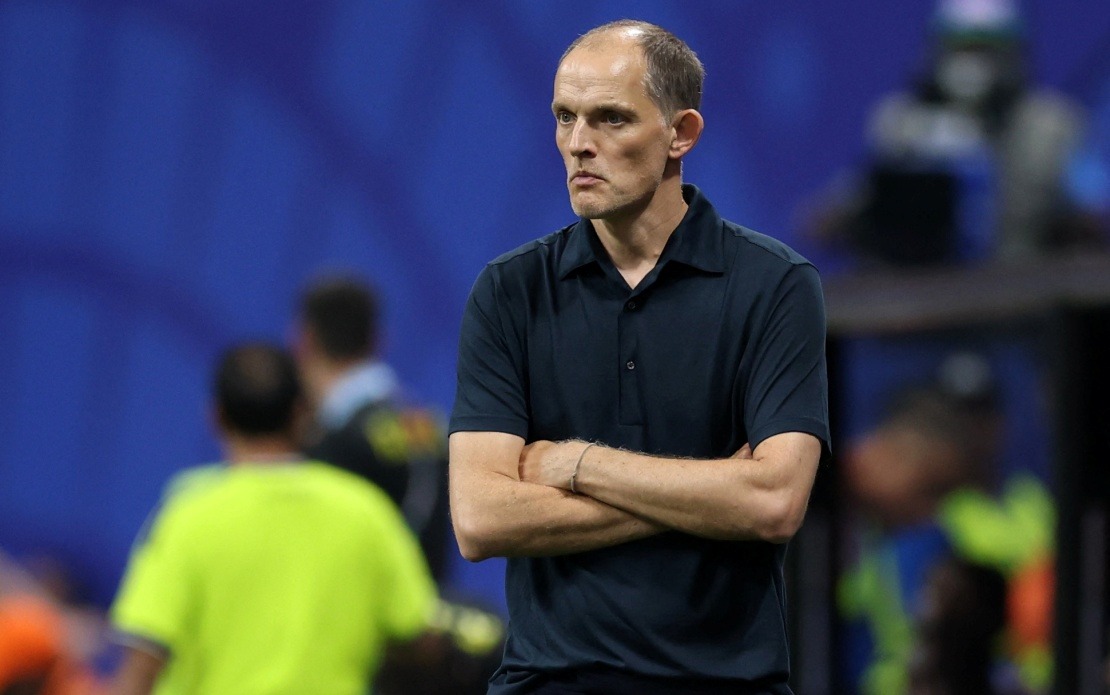
England's World Cup campaign ended in disappointment on Wednesday when they succumbed to Argentina 2-1 in the semi-final, a result that has prompted intense scrutiny of manager Thomas Tuchel's tactical decisions as the team conceded twice in quick succession late in the match. Speaking after the Atlanta encounter, the German tactician provided his own assessment of how the fixture unfolded, offering both reflection on his team's performance and a steadfast defence of the choices he made throughout the ninety minutes that saw his side unable to secure a place in the final despite taking the lead through Anthony Gordon's 55th-minute goal.
Tuchel's primary observation centred on England's loss of control and intensity as the match progressed following their breakthrough. The Three Lions found themselves unable to maintain the momentum that had brought them ahead, and Argentina exploited this shift in dynamics to complete an unlikely comeback. According to the manager's post-match analysis, his players became increasingly passive in possession, allowing the South American side numerous opportunities to threaten via crosses and long-range efforts. This defensive vulnerability proved costly when Enzo Fernandez equalised with just five minutes remaining, before Lautaro Martinez delivered a stoppage-time blow to hand the defending champions a place in the final.
The sequence of late concessions has naturally drawn criticism from observers questioning whether Tuchel's in-game adjustments—particularly his defensive substitutions—contributed to England's inability to see out their advantage. The manager faced immediate pressure to justify these personnel decisions, with pundits suggesting that alternative tactical approaches might have yielded a different outcome. However, Tuchel was adamant that the problem was not rooted in structural changes to his formation or approach, but rather in how his players executed within the established framework.
When addressing the substitution question directly, Tuchel rejected the notion that his team needed to fundamentally alter their shape or attacking intent. He explained that despite England's desire to find a second goal that would have cemented their position, introducing additional offensive players would not necessarily have improved their situation given the circumstances of the match at that juncture. The manager maintained that England continued operating within their established 4-4-2 setup throughout, indicating that the tactical blueprint remained unchanged even as performance deteriorated.
The core issue, in Tuchel's assessment, was not a question of system or strategy but rather execution and intensity. His team simply could not regain possession effectively once Argentina began their sustained assault on the England goal, nor could they maintain the kind of controlled, dominant possession play that had characterised their stronger periods during the match. The inability to dominate key moments and turnover situations left England vulnerable to the counterattacking threats that eventually proved decisive. This diagnosis suggests that tactical modifications alone would have been insufficient to reverse England's declining fortunes during those crucial final stages.
Despite the sting of elimination and the weight of expectation that had surrounded England's World Cup aspirations, Tuchel expressed no regrets about the decisions he had made leading up to and during the match. His perspective was that the team had performed at a respectable level given the pressure and circumstances, producing what he described as one of their better displays throughout the tournament despite ultimately failing to convert their superiority into victory. This confidence in his approach, even in defeat, reflects his belief that his strategic thinking was sound and that the result represented an unfortunate turn of events rather than a fundamental misjudgement.
The manager's comments also carried a note of resigned acceptance regarding the inevitable post-match criticism from various quarters. Tuchel acknowledged that countless armchair analysts would emerge with alternative explanations and suggestions for how the fixture could have been won, a reality that comes with any high-profile football defeat. Rather than becoming defensive or dismissive of such discourse, he appeared to view these critiques as an inevitable accompaniment to managing a top international side in tournament football, where margins between success and failure are razor-thin.
England's campaign represented a respectable tournament showing overall, and Tuchel clearly believes the team had demonstrated sufficient quality throughout their matches to warrant recognition for their efforts. The loss itself, while painful for both management and supporters, arguably reflected the competitive standard of modern international football rather than any significant shortcoming in preparation or planning. The ability to take a lead against a defending world champion, however, and fail to preserve that advantage illustrated the fine distinction between tournament success and premature exit.
Looking at the broader implications, Tuchel's steadfast refusal to recant his tactical approach suggests confidence in his ability to lead England forward from this setback. The manager's position that structural and strategic matters were not the determining factors in the defeat leaves room for him to maintain credibility with his players and stakeholders going forward. Whether England's supporters and critics will accept this analysis remains to be seen, but Tuchel's composure in defeat and philosophical acceptance of football's harsh realities demonstrate the temperament expected of someone managing a major football nation.
For Southeast Asian football followers observing international management at the highest level, Tuchel's response offers insight into how elite coaches navigate the pressure and scrutiny that accompanies tournament elimination. The German's ability to acknowledge legitimate criticisms—such as the passive phase that cost England—whilst simultaneously defending his overall approach reflects a nuanced understanding of management in the modern game. His position encapsulates the tension between tactical flexibility and strategic conviction that characterises competition at the world's highest level.

