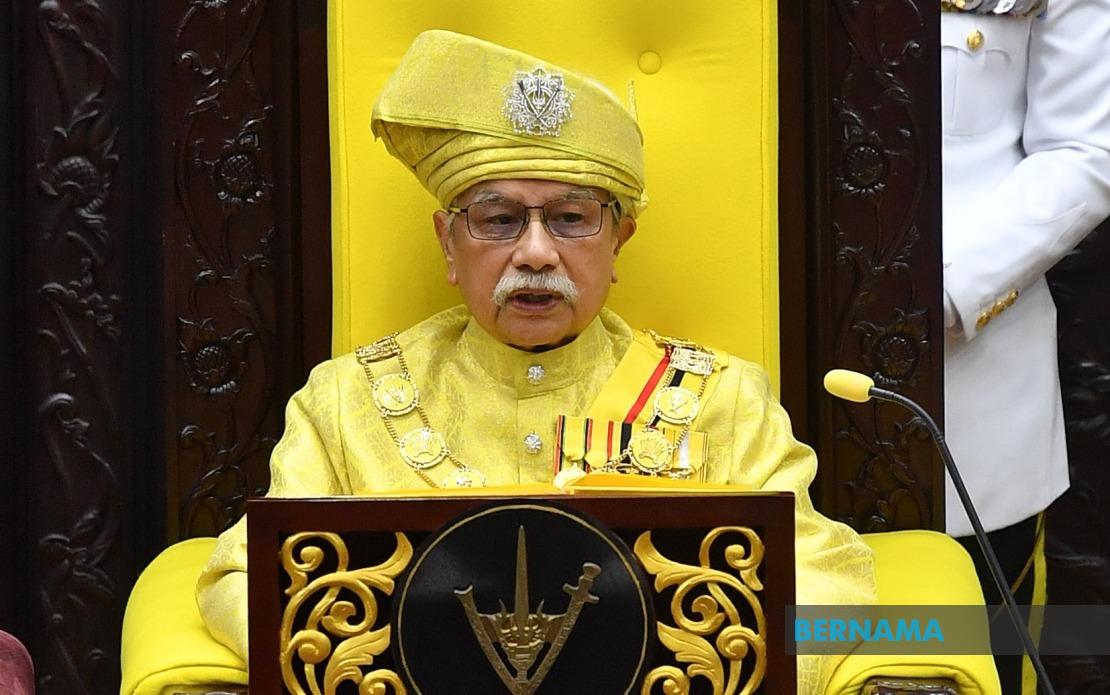
The Yang Dipertuan Besar of Negeri Sembilan, Tuanku Muhriz Tuanku Munawir, has granted his formal consent to conduct a royal audience ceremony on Saturday that will officially formalise the installation of the new Undang of Luak Rembau. The ceremony is scheduled to take place at Istana Besar Seri Menanti and represents the culmination of the customary selection process for this significant hereditary position within Negeri Sembilan's traditional governance structure.
The announcement was delivered by Tunku Besar Seri Menanti, Tunku Ali Redhauddin Tuanku Muhriz, following his audience with the Datuk-Datuk Adat of Rembau at the royal residence. He conveyed the ruler's consent for the Istiadat Menghadap Menjunjung Duli Bagi Menyempurnakan Kejadian Undang Luak Rembau—the formal royal ceremony to complete the installation of the new leader. The Tunku Besar emphasised that all administrative matters and ceremonial preparations would be coordinated through the Orang Empat Istana, the traditional council structure responsible for such affairs.
Hassan Ab Hamid, who is 67 years old, has been selected as the 22nd Undang of Rembau following traditional adat selection procedures. The selection process was conducted by the Kerapatan Buapak Delapan ceremony, a customary gathering of community leaders from the Biduanda Nan Dua Carak clan, according to Datuk Juan Datuk Zulkipli Shamsudin, who chaired the proceedings. The selection adheres strictly to the established customs and traditions that have governed Rembau's leadership succession for generations.
A critical clarification regarding the nature of this appointment was provided by Zulkipli, who stressed the distinction between the royal role and the adat selection process. Under the Adat Perpatih system that governs Negeri Sembilan, an Undang is fundamentally not appointed by the Yang Dipertuan Besar in the manner of state administrative positions. Rather, the individual is chosen exclusively through the customary procedures embedded within each luak, or traditional territorial division, by the community's own leadership structures and ancestral protocols.
The proper constitutional role of the Yang Dipertuan Besar within this traditional framework is to receive delegations from the luak when they formally seek an audience and, when required by established custom, to acknowledge and grant recognition to the decision that has already been reached by the community through its own adat mechanisms. This distinction underscores an important principle of Negeri Sembilan's constitutional arrangements: the ruler does not summon candidates, exercise personal discretion in selection, or appoint individuals to these hereditary positions according to his own preferences.
Zulkipli emphasised that any interpretation suggesting the Yang Dipertuan Besar possesses unilateral appointment powers over Undang positions fundamentally misrepresents the centuries-old adat systems that have structured governance in Negeri Sembilan. The adat framework, which predates modern state administration by several centuries, preserves significant autonomy and decision-making authority within the luak communities themselves, creating a parallel governance structure that coexists alongside formal state administration.
The late Undang of Rembau, Datuk Lela Maharaja Datuk Muhamad Sharip Othman, passed away on May 15, 2024, at the age of 83. His death triggered the succession process that culminated in Hassan Ab Hamid's selection. The transition represents a natural succession within the hereditary system, with the community's adat leaders conducting the customary proceedings to identify the next individual suitable to hold this traditional office.
For Malaysian readers and particularly those in Peninsular Malaysia, this ceremony highlights the enduring significance of customary governance structures within the constitutional framework of certain states. Negeri Sembilan's adat system, grounded in the Adat Perpatih tradition, maintains a unique position where traditional community leadership selection operates according to rules and procedures fundamentally distinct from modern bureaucratic appointment mechanisms. This parallel system of governance has been preserved as part of the state's historical and constitutional settlement.
The formal recognition of Hassan Ab Hamid through Saturday's royal audience ceremony represents an important validation of community-driven selection while also acknowledging the symbolic and constitutional role of the Yang Dipertuan Besar within Negeri Sembilan's governance architecture. The ceremony thus serves both to honour the adat traditions through which the selection was conducted and to formalise the new Undang's position within the broader state structure.
For Negeri Sembilan residents and those with interests in traditional governance and adat law, this installation underscores the continuing vitality of customary systems in Malaysia's constitutional landscape. While modern state administration handles most governance functions, the parallel structures of adat leadership retain substantial importance for community affairs, land matters, and the preservation of cultural continuity within traditional territories. Saturday's ceremony will affirm both Hassan Ab Hamid's new role and the legitimacy of the adat processes through which he was selected.

