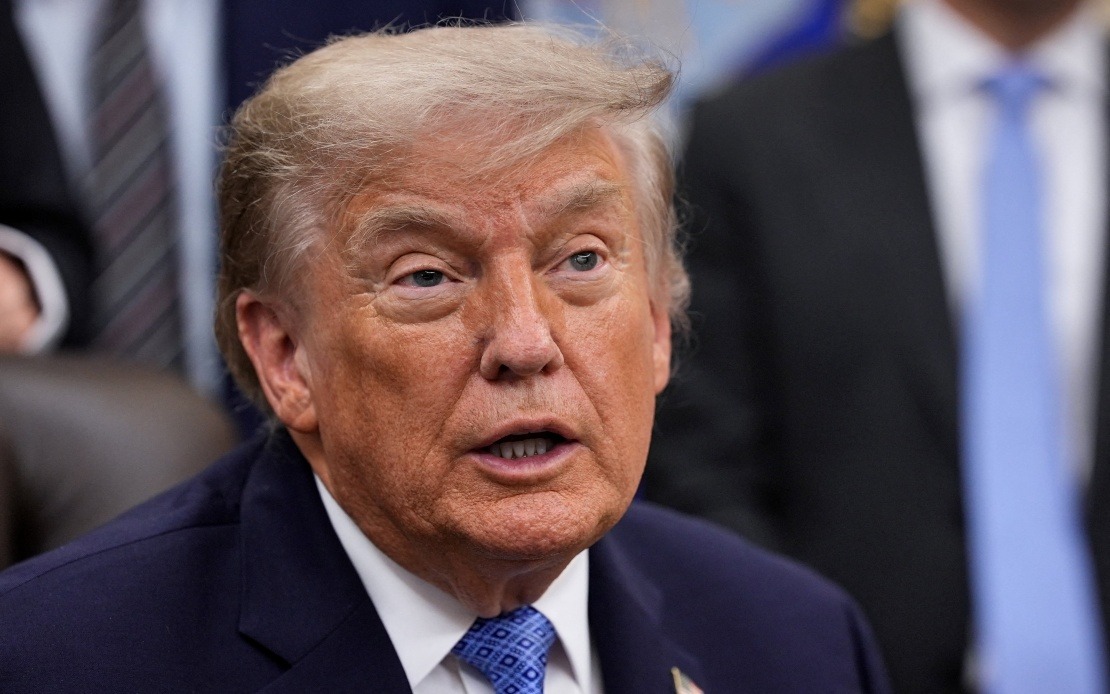
United States President Donald Trump is scheduled to deliver a televised address to the nation on Thursday evening at 9 pm Eastern Time, marking one of the most significant moments in the American political calendar. The announcement, made through his Truth Social account, comes at a particularly consequential juncture in his second term, with major international tensions simmering and domestic political considerations weighing heavily on his administration.
The 9 pm time slot represents prime television real estate in American broadcasting, typically reserved for announcements of major national importance. Presidents employ such addresses to communicate directly with citizens during moments of consequence, whether inaugurating new policies, responding to crises, or seeking to rally public support during turbulent periods. The choice of this particular time underscores the gravity with which the Trump administration views whatever announcement is forthcoming.
Mysteryingly, the White House has declined to specify the subject matter of the address, leaving observers and analysts to speculate about which pressing issue will dominate the speech. This ambiguity has fuelled considerable debate within political and media circles about whether Trump intends to address the deteriorating situation with Iran, a crisis that has occupied American headlines and occupied public concern for months. Relations between Washington and Tehran have grown increasingly fraught, with recent escalations ratcheting up tensions significantly in recent days and threatening broader regional stability.
The Iran question looms particularly large given its economic ramifications for American households. Escalating military tensions with the Islamic Republic have contributed to elevated energy prices, with petrol costs rising noticeably as geopolitical risk premiums factor into global oil markets. These fuel price increases resonate acutely with ordinary Americans who face higher transportation and living costs, making the issue both a serious foreign policy matter and a domestic political liability for any sitting president.
This address marks the second major televised speech Trump has delivered since returning to office in January 2025. His previous national address occurred in December, when mounting pressure from critics and supporters alike compelled him to mount a public defence of his economic record. That appearance underscored how such primetime speeches serve multiple purposes in the modern presidency—simultaneously communicating policy positions, responding to criticism, and shaping public narrative around the administration's record and intentions.
The timing carries significant political implications extending well beyond the immediate announcement. Trump's Republican Party faces challenging electoral headwinds as the nation approaches midterm elections scheduled for approximately four months hence. Polling data has consistently shown the party trailing expectations for what Republicans had hoped would be a strong cycle, suggesting internal concerns about the direction of both the economy and international affairs. A televised address provides Trump with an opportunity to reshape political momentum and communicate directly to voters without media intermediaries filtering his message.
The choice to employ primetime television reflects a traditional approach to presidential communication that, despite the proliferation of digital media and social platforms, retains substantial symbolic and practical power. Approximately a century of American political practice has established the televised national address as the ultimate tool for presidential persuasion and authority projection. Even in an era of fragmented media consumption and declining television viewership, the institution of the primetime presidential address commands attention from major news organisations and reaches millions of Americans simultaneously.
For regional observers in Malaysia and Southeast Asia, this moment carries relevance extending beyond American domestic politics. United States foreign policy, particularly regarding the Middle East and energy markets, influences global economic conditions that ripple through Malaysian and regional markets. Elevated global oil prices affect Malaysian manufacturing competitiveness, consumer spending, and government revenues, making developments in American-Iranian relations consequential for policymakers throughout the region. Additionally, American political stability and policy consistency directly impact regional security arrangements and trading relationships that Malaysian businesses and government depend upon.
The spectacle of a major presidential address also illuminates contrasting approaches to governance between the United States and Malaysian political systems. Where American presidents frequently employ televised addresses as tools for direct citizen engagement, Malaysian political communication tends toward formal parliamentary procedures and ministerial statements. The American model reflects deeper constitutional and cultural differences in how executive authority legitimises itself through public persuasion, a contrast that shapes how each system operates and how citizens understand political leadership.
Observers will scrutinise not merely the substance of Trump's remarks but also the strategic signalling embedded within his choice of timing and medium. Whether the address focuses primarily on Iran, encompasses broader foreign policy concerns, or pivots to domestic economic messaging will shape international and domestic reactions dramatically differently. The fact that the administration has maintained silence on specifics suggests either a desire to maintain surprise, ongoing deliberation about the precise message, or an intention to allow the platform itself to command attention regardless of the announced topic.

