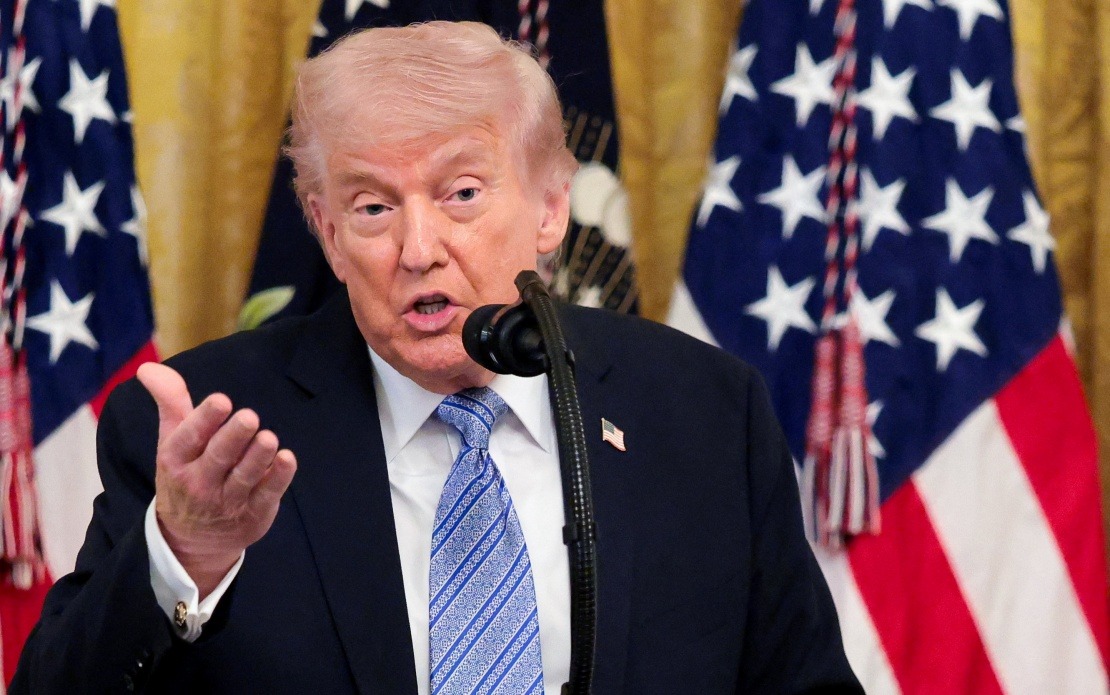
Donald Trump is backing FIFA President Gianni Infantino to become the next secretary-general of the United Nations, according to reports citing sources close to the American president. The nomination would represent a dramatic departure from traditional diplomacy, elevating the Swiss-born sports administrator into one of the world's most influential political positions. Trump's endorsement suggests a fundamental shift in how Washington approaches UN leadership, signalling his preference for figures outside the conventional diplomatic establishment.
The US president has expressed confidence that Infantino possesses the diplomatic credentials necessary for the role, believing him to be "respected by everyone around the world" and equipped with "a special ability to bring people together." These qualities, in Trump's view, position the FIFA leader as someone capable of navigating the complex geopolitical tensions that characterise global affairs. The assessment reflects Trump's conviction that Infantino's experience managing relationships across diverse nations through international football governance has equipped him with unique bridge-building capabilities.
The relationship between Trump and Infantino has deepened considerably throughout 2024, particularly during the FIFA World Cup. The FIFA president made multiple strategic efforts to cultivate ties with the returning US leader, culminating in December when Infantino presented Trump with FIFA's inaugural Peace Prize. This gesture appeared calculated to demonstrate Infantino's alignment with Trump's diplomatic priorities and his role as a peacemaker on the global stage. Such cultivation of the relationship suggests preparation for this potential nomination.
The position of UN secretary-general carries enormous responsibility, serving as the chief administrative officer of the international organization and functioning as a mediator in global disputes. The next appointee will assume the five-year term beginning January 1, 2027, following the conclusion of Antonio Guterres's tenure. The role demands navigating complex relationships between member states, managing humanitarian crises, and advocating for peace initiatives across geopolitically fragmented regions.
Achieving this appointment faces substantial institutional hurdles. Under Article 97 of the UN Charter, the Security Council must recommend a candidate before the General Assembly votes on the selection. The Security Council comprises fifteen members, with five permanent nations—the United States, China, Russia, France, and Britain—holding veto power. Any of these permanent members can block a nomination, making consensus essential for success. Infantino would need to secure backing from all five veto-holding states, a diplomatically intensive requirement given existing tensions between major powers.
Trump's track record on multilateral institutions creates both opportunities and obstacles for this proposal. The US president has consistently expressed frustration with UN effectiveness, arguing that the organization has failed to adequately address major international conflicts. His administration has taken concrete steps reflecting this dissatisfaction, including reducing American financial contributions to the UN and withdrawing from several UN-affiliated bodies. Last year, Trump established a separate Board of Peace operating under US leadership, prompting observers to question whether he was constructing an alternative framework to circumvent traditional UN mechanisms.
The creation of the Board of Peace sparked considerable debate about American commitment to multilateralism. Trump denied suggestions that the initiative represented an effort to replace UN functions, maintaining that the board complemented rather than competed with existing international structures. Nevertheless, his withdrawal from the World Health Organization and reduced UN funding signal a deliberate repositioning of US priorities toward more selective international engagement. In this context, nominating Infantino could represent an attempt to reform the UN rather than abandon it entirely, offering a fresh perspective unburdened by traditional diplomatic convention.
Infantino's profile presents both advantages and vulnerabilities as a potential UN leader. His tenure as FIFA president has involved managing relationships across Africa, Asia, Europe, and the Americas, demonstrating cross-cultural competence. However, FIFA's controversial governance history and association with scandals could complicate his pathway to the secretary-general position. Member states, particularly those concerned with institutional credibility, might question whether a sports administrator possesses the depth of diplomatic experience typically expected in a UN leader. The unconventional nature of his background could either appeal to reformist-minded nations or alienate those preferring traditional diplomatic professionals.
For Southeast Asia and the broader developing world, this development carries significant implications. The UN secretary-general traditionally serves as an advocate for smaller nations' interests within the Security Council framework. Infantino's nomination might reshape how the organization addresses regional concerns, potentially prioritizing economic and infrastructure development alongside traditional security issues. Nations such as Malaysia, which depend on multilateral institutions for amplifying their voices on global platforms, would need to assess whether Infantino's management style aligns with their advocacy interests.
The diplomatic campaign for this position will likely intensify considerably over the coming months as various stakeholder groups mobilize. China and Russia, having traditionally nominated their own candidates for UN leadership positions, may present competing nominations or exercise their veto power against Infantino if they perceive threats to their interests. European nations might question American unilateral leadership in determining UN direction without broader consultation. The negotiation process will reveal much about contemporary great power dynamics and the extent to which the United States can impose its preferences on international institutions.
Infantino's nomination also reflects broader American skepticism toward established international institutions, a theme consistent throughout Trump's political career. Rather than reforming the UN from within through traditional channels, the nomination strategy appears designed to install leadership sympathetic to American priorities and skeptical of the organization's existing operational framework. This approach mirrors Trump's broader foreign policy philosophy of pursuing national interest through selective engagement rather than institutional commitment.
The appointment process will unfold gradually, with formal nominations typically announced in the coming months. Member states will conduct extensive consultations examining candidates' positions on contentious issues including Middle Eastern conflicts, humanitarian crises, and great power competition. Infantino's willingness to engage Trump on peace-building initiatives may position him favorably with some constituencies while generating resistance from others perceiving American dominance. The ultimate decision will depend on whether the Swiss executive can build sufficient consensus among the Security Council's permanent members while securing General Assembly support from the broader international community.

