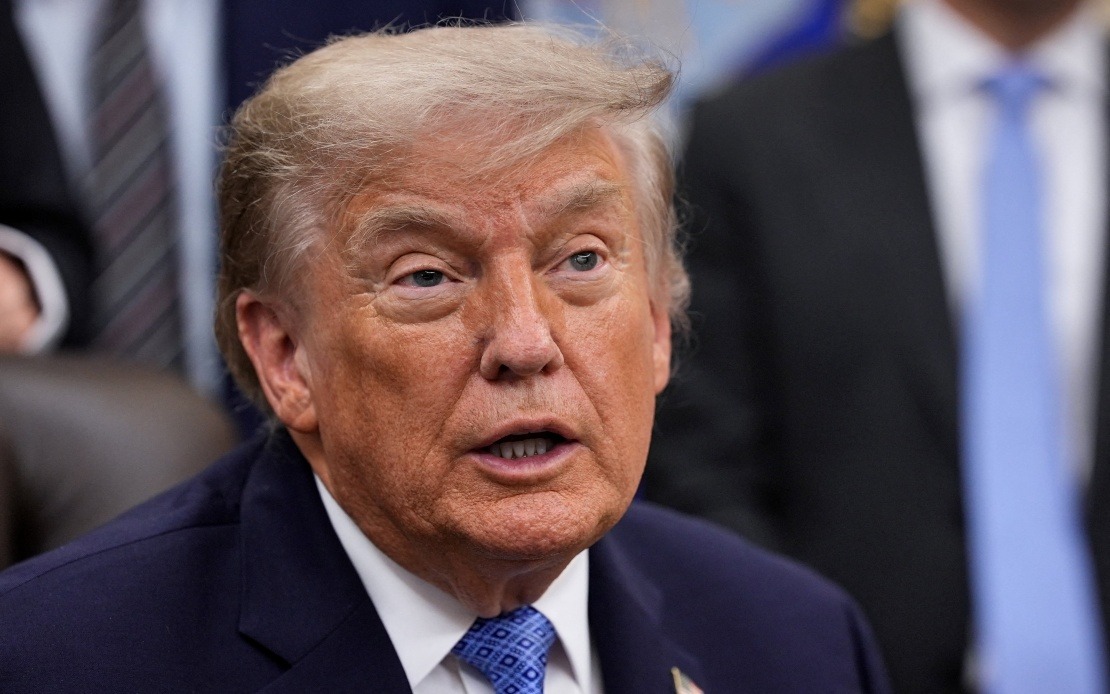
In a late-night announcement, US President Donald Trump declared he would suspend the implementation of a 50 per cent tariff increase on Canadian imports, stepping back from a midnight deadline that had loomed over North American trade relations. The decision represents a tactical shift in Trump's approach to continental commerce, offering a narrow window for finalising what both countries characterise as a substantive agreement. The pause, which Trump confirmed via his Truth Social platform, provides breathing room for officials on both sides of the border to complete documentation and move toward formalising terms that could reshape bilateral economic ties.
The backdrop to this development involves substantial economic stakes. Canada faces potential tariffs on roughly C$30 billion ($22 billion) worth of goods destined for American markets, a levy that would have sent shock waves through Canadian manufacturing, agriculture, and resource sectors. The threat prompted intensive high-level engagement, culminating in a phone conversation between Trump and Canadian Prime Minister Mark Carney on Tuesday. Such direct intervention at the executive level signals the gravity both nations attach to the situation, underscoring how deeply interconnected their economies remain despite periodic frictions.
Trump's statement underscores conditional optimism about the trajectory of negotiations. His language—specifically referencing that a deal exists "subject to the finalisation of documents"—suggests fundamental points of agreement have emerged, though technical details and formal procedures remain outstanding. This formulation is significant because it indicates substantive progress beyond preliminary posturing, yet acknowledges that numerous steps must occur before any arrangement becomes binding. The three-day window appears calibrated to allow enough time for legal teams and trade specialists to translate political agreement into enforceable language.
A particularly noteworthy element of Trump's announcement concerns the Keystone XL pipeline, the ambitious cross-border energy infrastructure project that carried geopolitical and economic weight for both nations. Trump suggested that resolving the tariff dispute could facilitate revival of the pipeline, which the Biden administration had cancelled during its tenure. This linkage reveals how contemporary trade negotiations increasingly intertwine multiple policy domains—energy security, market access, and infrastructure investment—into comprehensive packages. For Canada, the prospect of Keystone XL's resurrection holds transformational potential for its energy export capacity and continental energy independence strategies.
The timing of this development carries significance for regional observers in Southeast Asia. Trade relationships between major economies invariably influence global economic architecture and investment flows. When the United States and Canada navigate contentious tariff regimes, the ripple effects extend to ASEAN nations that depend on stable North American demand for exports and serve as alternative manufacturing hubs. A prolonged trade war between Washington and Ottawa could reshape supply chains, potentially benefiting Southeast Asian manufacturers as companies seek diversification away from North American production. Conversely, resolution of the dispute signals market confidence and maintains the purchasing power of major North American consumers.
Mark Carney's role in these negotiations deserves particular attention given his background in finance and international economic policy. His appointment as Prime Minister positioned him to leverage technical expertise in crafting sophisticated trade arrangements. The fact that direct communication between Trump and Carney proved necessary indicates the impasse had reached a level requiring personal intervention rather than delegation to trade bureaucrats. Such engagement typically occurs when both parties recognise mutual costs from continued confrontation and perceive genuine opportunity for mutually beneficial outcomes.
The broader context of American trade policy under Trump's current administration reflects his consistent emphasis on bilateral negotiations rather than multilateral frameworks. This approach differs markedly from the international institutions and rules-based systems that governed trade for much of the post-Cold War era. For nations like Malaysia and other ASEAN members, understanding Trump's negotiation patterns remains essential, as similar bilateral pressures could be applied to Asian trading partners. The Canadian experience demonstrates that direct engagement, combined with acknowledgment of mutual interests, can produce pauses in confrontational postures.
The three-day timeline itself warrants analysis. This duration proves neither trivial nor indefinite—long enough for competent teams to complete substantial documentation work, yet brief enough to maintain urgency and prevent negotiations from drifting. Such temporal boundaries reflect negotiation craft, establishing artificial scarcity that concentrates minds and discourages perpetual haggling. Should the parties succeed within this window, it would validate Trump's negotiation methodology. Failure would indicate substantive disagreements remain despite the initial agreement in principle.
Canadian stakeholders across multiple sectors have closely monitored these developments given the broad exposure of the economy to American tariffs. Industries ranging from automotive manufacturing to agricultural production to natural resource extraction all face potential disruption from the proposed duties. The pause therefore provides crucial relief and demonstrates that high-level pressure can produce movement, even when underlying trade tensions remain acute. However, the temporary nature of the reprieve means stakeholders cannot yet declare victory or alter long-term planning based on assumptions of normalcy restoration.
Looking forward, the success or failure of completing this deal within three days will significantly impact how Trump's administration approaches future trade disputes. A successful resolution would reinforce his negotiating approach, potentially encouraging similar bilateral confrontations with other partners. Conversely, breakdown in talks could precipitate implementation of tariffs and initiate a protracted trade conflict that would involve retaliatory measures from Canada and broader implications for North American commerce. For Malaysian observers, the outcome provides instructive precedent regarding how contemporary American trade policy operates and what strategies might prove effective in future interactions.

