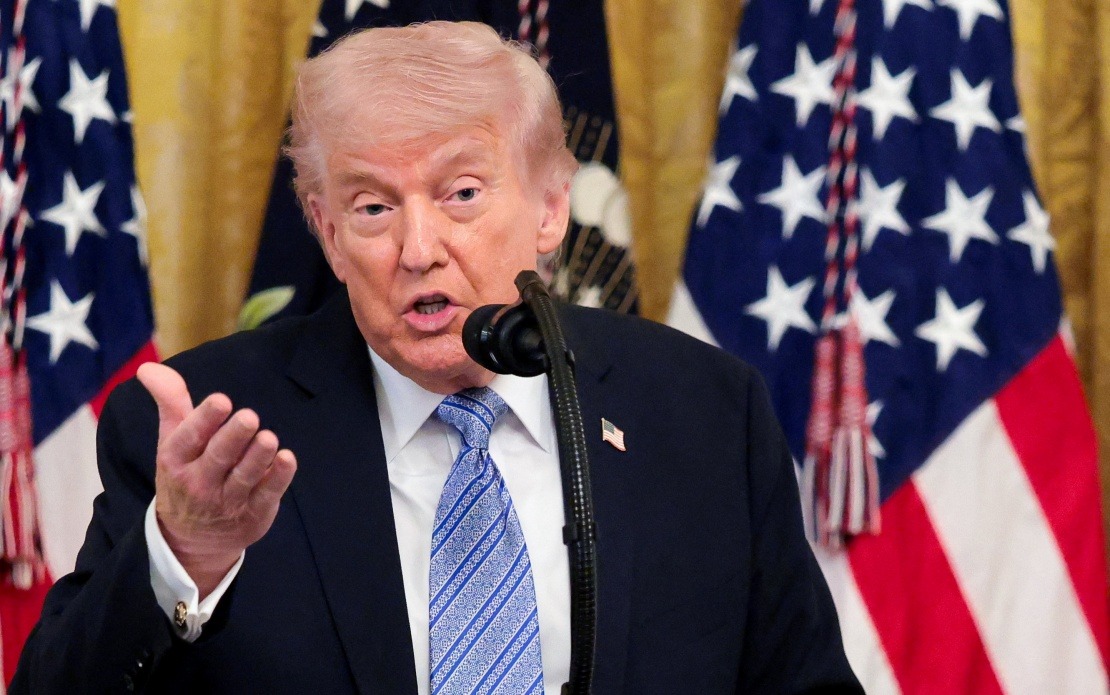
Donald Trump has moved to terminate diplomatic engagement with Iran, instructing his top envoys to abandon ongoing conversations with Tehran. The directive marks a dramatic reversal from recent attempts to salvage negotiations, as the Trump administration pivots toward what officials characterize as a more stringent containment approach. This development carries significant ramifications for regional stability in the Middle East and has implications for how Washington manages its broader foreign policy in an increasingly volatile period.
The US President announced the policy shift via Truth Social on Tuesday, stating unequivocally that no dialogue or scheduled meetings with the Islamic Republic exist. Simultaneously, Trump emphasized that American naval forces maintain a strict blockade while asserting that the strategically vital Hormuz Strait remains operational and accessible. His statement stressed that US forces have cleared or detonated water mines from the region, framing the military posture as both defensive and measured.
According to CNN reporting citing administration officials, Trump specifically instructed Vice President JD Vance, senior envoy Steve Witkoff, and presidential adviser Jared Kushner to cease their engagement with Iranian counterparts. This intervention followed what multiple sources describe as "positive discussions" between the negotiating teams, suggesting that momentum toward resolution had actually been building before the presidential intervention. The decision to halt talks represents an abrupt reversal of trajectory, raising questions about what transpired in private discussions that prompted such a dramatic policy recalibration.
Behind the scenes, Trump's advisers have reframed Washington's broader Iran strategy in starkly different terms. Where previous messaging emphasized "hammer Iran ASAP," officials now speak of a long-term approach to "strangle them" over an extended period. This linguistic shift signals a calculated shift from immediate confrontation toward systematic pressure designed to constrain Iranian regional influence and nuclear capabilities through sustained economic, military, and diplomatic means. Such an approach typically involves maintaining maximum pressure while pursuing incremental concessions rather than pursuing comprehensive agreements.
Kushner's recent visit to Israel on Monday, where he met Prime Minister Benjamin Netanyahu, occurred just before the announcement of the diplomatic freeze. During that visit, Kushner had told Fox News that US-Iran communications channels had become "more robust" than previously, suggesting active dialogue was occurring and potentially bearing fruit. The timing suggests that Netanyahu's influence or concerns may have contributed to Trump's decision to redirect his administration's Iran policy, though no explicit confirmation of Israeli pressure has emerged.
The current standoff represents merely the latest chapter in a turbulent relationship between Washington and Tehran that has oscillated between confrontation and tentative reconciliation. In April, both nations had agreed to a ceasefire arrangement, followed by a formal memorandum of understanding signed in June that ostensibly aimed at ending their military confrontation and establishing a durable peace framework. However, that arrangement proved fragile, collapsing by late summer as both sides resumed military operations against each other's forces across the region.
The recent cycle of escalation saw Iran and the United States exchange attacks for nearly two weeks, with strikes targeting military facilities and strategic positions. Trump eventually halted the bombardment, demonstrating restraint that surprised some analysts who anticipated further escalation. His decision to pause the cycle of strikes appeared motivated by efforts to revive diplomatic engagement rather than any resolution of underlying tensions. The failure of that approach has now prompted the harder line reflected in this week's pronouncements.
For Malaysian and Southeast Asian observers, this development carries several strategic implications. The Strait of Hormuz remains vital to regional trade flows and energy security, with significant volumes of crude oil and liquefied natural gas transiting through these waters destined for Asian markets. Any further deterioration in US-Iran relations risks disrupting maritime commerce and potentially triggering conflict that could destabilize global energy markets and affect prices paid by Malaysian and regional consumers and industries.
Additionally, the broader Middle Eastern security environment shapes the international context within which ASEAN nations operate. Sustained US-Iran tensions complicate Washington's ability to focus on Indo-Pacific security concerns and China's regional activities. Malaysia and other Southeast Asian nations maintain commercial and diplomatic relationships with both the United States and Iran, requiring careful navigation as great power tensions intensify. The potential for regional proxy conflicts or miscalculation in the Persian Gulf remains a genuine concern that extends beyond the immediate participants.
The Trump administration's pivot toward long-term containment rather than negotiated settlement suggests a return to the maximum pressure campaign that characterized the previous Trump presidency. This approach proved economically damaging to Iran but failed to produce fundamental policy changes, instead driving Tehran toward closer ties with China, Russia, and other adversaries of Washington. Whether this renewed containment strategy will achieve different outcomes remains uncertain, particularly given Iran's demonstrated resilience and willingness to endure economic hardship while maintaining regional influence through proxy forces and strategic partnerships.
The suspension of diplomatic channels also raises questions about the future trajectory of Middle Eastern peace efforts more broadly. With US-Iran talks frozen and attention diverted to other regional crises and political considerations, prospects for addressing the fundamental sources of regional tension appear diminished. The instability generated by prolonged great power competition in the Gulf region may ultimately benefit revisionist powers and destabilizing actors, undermining the security architecture that has underpinned regional commerce and stability for decades.

