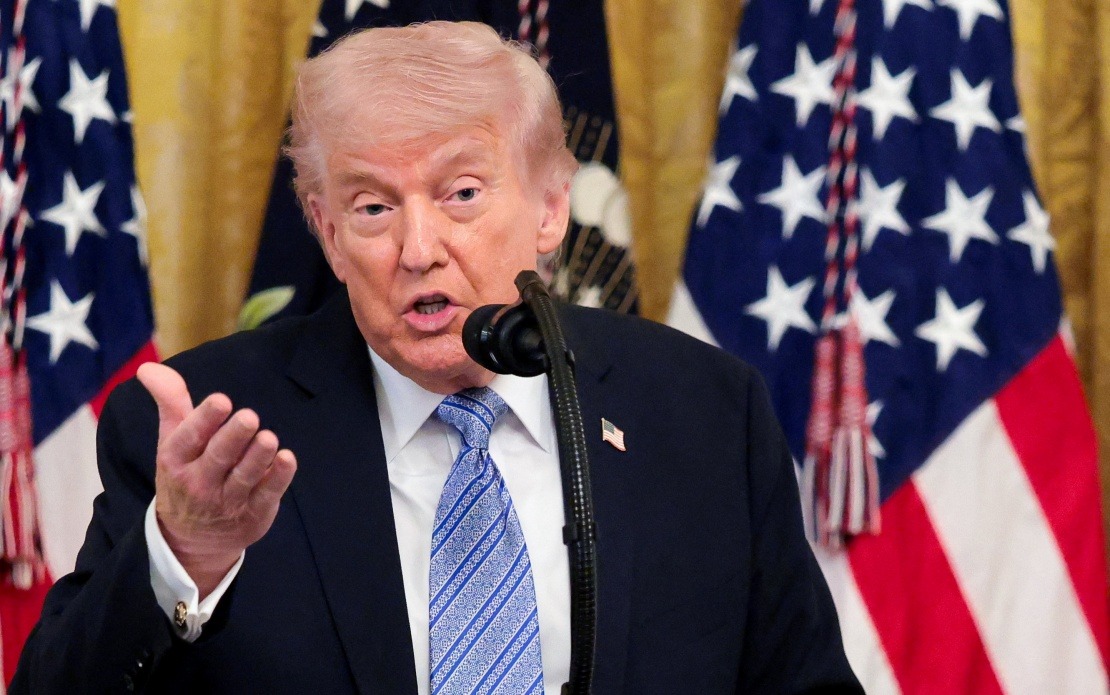
US President Donald Trump expressed satisfaction with his initial telephone exchange with newly appointed British Prime Minister Andy Burnham, characterising the discussion as productive and wide-ranging. Speaking through his Truth Social platform on Monday, Trump outlined the scope of their dialogue, which touched upon multiple dimensions of the Anglo-American relationship that have defined bilateral ties for decades.
The conversation between the two leaders comes at a significant moment in British politics, with Burnham taking office as premier following recent electoral developments in the United Kingdom. For the American administration, establishing early rapport with the incoming British leadership represents a priority in maintaining the strategic partnership that underpins Western security architecture across the Atlantic and beyond.
According to Trump's account, the discussion ranged across several substantive policy domains. Energy cooperation emerged as a notable topic, with the leaders examining the potential of North Sea oil resources and what implications these reserves hold for both nations' energy security and economic interests. Given the global significance of petroleum markets and Europe's ongoing energy transition, the inclusion of this issue signals practical concerns about resource availability and supply chain resilience.
Trade relations constituted another pillar of their dialogue. The commercial relationship between Washington and London remains consequential for both economies, particularly as both nations navigate post-pandemic recovery and shifting global trade patterns. The discussion likely addressed existing arrangements and potential pathways for deepening economic integration, though Trump did not elaborate on specific proposals or grievances during his public remarks.
Military and defence coordination featured prominently in the conversation as well. The transatlantic military alliance remains foundational to NATO operations and broader Western security posture, especially given ongoing tensions in Eastern Europe and evolving geopolitical competition. The leaders' discussion of this dimension underscores continuity in prioritising shared defence interests that have anchored their relationship throughout the Cold War and beyond.
A particularly striking element of Trump's description involved the demining of the Hormuz Strait, a waterway of immense global strategic importance. Located between Iran and Oman, this narrow passage channels roughly one-third of seaborne traded petroleum globally. Clearing mines or other maritime obstacles in these waters carries profound implications for international commerce, regional stability, and freedom of navigation. The inclusion of this topic suggests cooperation on Middle Eastern security matters and maritime logistics that extend far beyond bilateral British-American concerns.
Trump characterised the overall tenor of the exchange as positive, noting that the call "went very well" and expressing confidence about the prospects for future engagement. He indicated that an in-person meeting would likely occur in the relatively near term, suggesting both leaders view direct dialogue as valuable and necessary. Such summits between American presidents and British prime ministers typically occur at established venues and serve to reinforce the "special relationship" concept that has historically defined this partnership.
For Malaysia and other Southeast Asian nations, the strengthening of British-American cooperation carries tangible implications. The UK maintains significant defence interests and military presence in the region through its existing partnerships and commitments. Enhanced coordination between London and Washington could influence regional security dynamics, trade relationships, and the broader balance of power in Indo-Pacific affairs where both nations maintain stakes through formal alliances and commercial interests.
The breadth of topics covered in this inaugural conversation between Trump and Burnham indicates both leaders recognise the need to address contemporary challenges systematically. From energy transitions and trade liberalisation to military modernisation and maritime security, the agenda reflects pressing global concerns that transcend bilateral interests. The focus on practical, concrete matters rather than purely ceremonial pleasantries suggests a substantive rather than purely diplomatic engagement.
Trump's public remarks also serve a domestic political purpose, allowing him to project an image of active engagement with key international partners and demonstrating his administration's attentiveness to global affairs. Meanwhile, Burnham benefits from the visibility of being warmly received by the American president early in his tenure, which can enhance his international standing and credibility among British constituencies concerned about maintaining strong Western alliances.
Looking ahead, the pledged meeting between the two leaders will likely provide an opportunity to move from initial pleasantries to substantive negotiations on specific bilateral initiatives. Whether these discussions yield concrete agreements on trade frameworks, defence procurement, or resource cooperation remains to be seen, but the positive framing of their first exchange suggests both sides approach the relationship with commitment and goodwill.

