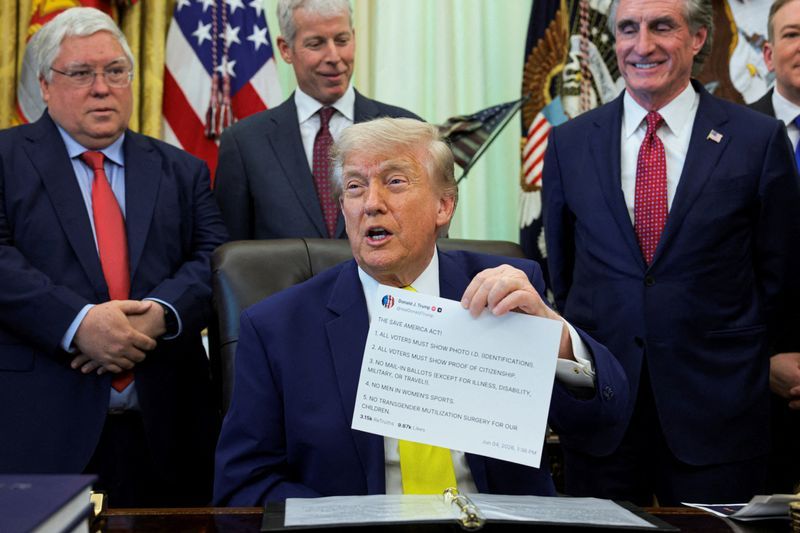
A lawsuit filed in Manhattan federal court this week targets a controversial new service operated through Trump Media & Technology Group that provides wealthy subscribers with early access to posts from the sitting U.S. president and other high-ranking officials. The Intercept and the Freedom of the Press Foundation initiated the challenge against Truth API, which launched on August 1 and charges fees reaching $100,000 per month for advance viewing privileges on posts from ten prominent Truth Social accounts, including the president's own.
The service represents a novel approach to monetizing the president's communications and has attracted immediate criticism from media organisations concerned about equitable access to government announcements. Truth API subscribers gain access to posts before they become widely available to the general public, creating an information advantage that critics argue is incompatible with democratic principles and market fairness. The timing of the service's launch—just days after Democratic Senators Elizabeth Warren and Adam Schiff requested a Securities and Exchange Commission investigation into potential market manipulation—has intensified scrutiny around its legality and appropriateness.
In their complaint, the plaintiffs characterised Truth API as fundamentally corrupt, pointing out that the president benefits financially from the subscription model. They argue the arrangement violates First Amendment protections by creating a tiered system where access to official government communications depends on payment capacity. The constitutional argument hinges on the principle that all citizens should have equal and timely access to presidential statements and policy announcements, particularly those affecting financial markets or national security. The lawsuit specifically challenges any White House posting of official government announcements exclusively through Truth Social while the paid service operates.
Trump's use of Truth Social for market-moving announcements has been well documented. During his presidency, he has disclosed significant policy decisions regarding tariffs, international conflicts, and other matters with immediate financial implications through the platform. The accessibility differential created by Truth API means that wealthy subscribers gain trading advantages by receiving this information minutes or hours before it reaches ordinary investors and the broader public. This dynamic raises serious questions about fair market access and whether government officials should be profiting from the timing of official announcements.
Financial stakes for the president personally are substantial. Trump holds a 41.3% stake in Trump Media through his Donald J. Trump Revocable Trust, a holding worth approximately $950 million according to available financial data. His eldest son, Donald Trump Jr., serves as a Trump Media director and oversees the trust arrangement. This ownership structure means that subscription revenues from Truth API directly benefit the president's personal financial portfolio, creating an obvious conflict of interest between his role as chief executive and his personal enrichment.
Beyond the president's direct stake, Truth API extends premium access to posts from other high-ranking officials. Vice President JD Vance, Health and Human Services Secretary Robert F. Kennedy Jr., and FBI Director Kash Patel are among the accounts included in the service. The White House itself is also offered through the paid feed. This broader configuration suggests the service functions as a comprehensive early-warning system for official government communications, potentially affecting markets across multiple policy domains and agency announcements.
Trump Media's defence of the service emphasizes that numerous commercial platforms and news outlets already distribute information from the president, many through subscription models. A company spokesperson characterized the lawsuit as an attempt by left-wing activists to censor the president and weaponise courts against him and company shareholders. During a recent earnings call, Trump Media interim Chief Executive Kevin McGurn argued that Truth API merely enables subscribers to receive news "fractionally faster" than others, framing the service as a minor convenience rather than a significant structural advantage.
The regulatory environment surrounding this challenge remains complicated. The SEC's three current commissioners are Republican appointees, potentially affecting the likelihood of aggressive enforcement action through that agency. Meanwhile, the constitutional arguments presented in federal court will determine whether the First Amendment and broader principles of democratic transparency prohibit such a service. The case will test legal boundaries around presidential communications, government transparency, and permissible commercialization of official statements.
The situation raises broader questions about the relationship between technology platforms, government communications, and market access in contemporary American politics. As presidents increasingly rely on social media rather than traditional channels for announcements, the question of who controls access and how information flows becomes increasingly consequential. Southeast Asian observers watching this case may find parallels in their own contexts, where government communication strategies and media access have become increasingly contentious political issues. The outcome could establish important precedent regarding whether sitting officeholders can operate profitable services that monetize their official communications, a question with implications extending far beyond Truth Social.

