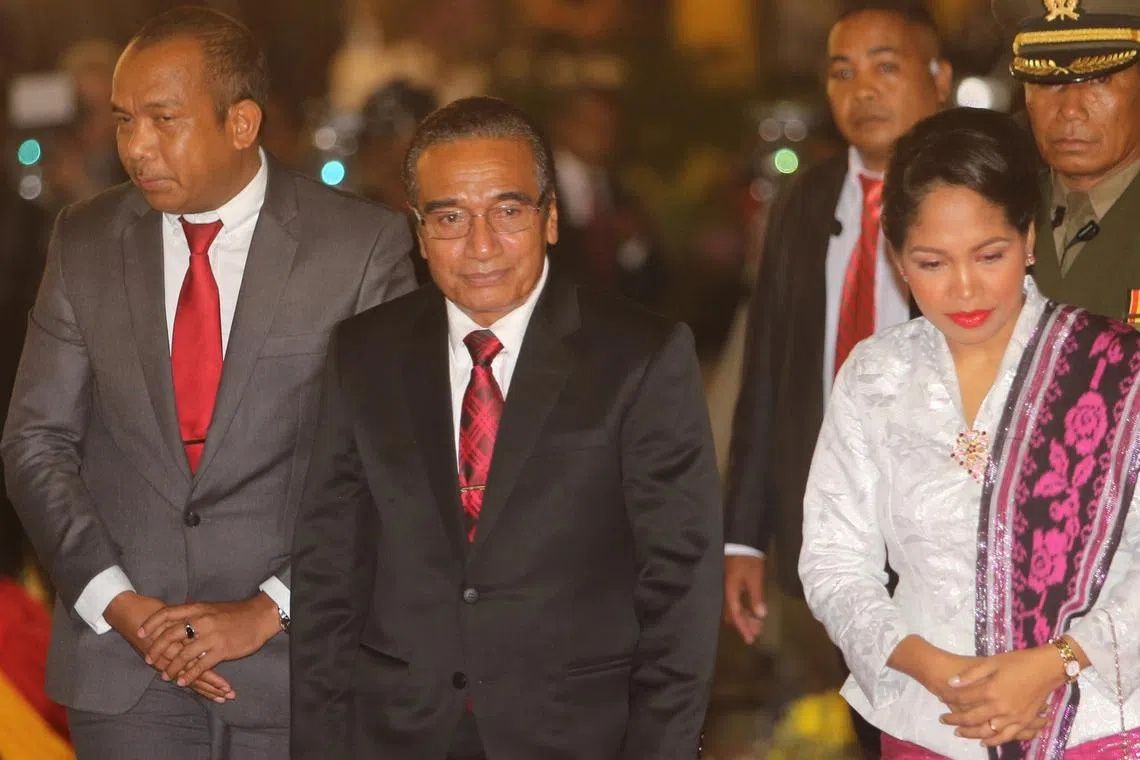
Timor-Leste has declared a week of national mourning for former president Francisco "Lu-Olo" Guterres, who died over the weekend in a Malaysian hospital at age 71. The Southeast Asian nation's government announced the observance on Monday, June 22, honouring a man whose life became inseparable from the country's struggle for freedom and nationhood. The declaration underscores the profound respect Timorese society holds for Guterres, whose decades-long involvement in resistance movements shaped the region's political landscape and influenced broader discussions about self-determination in Southeast Asia.
As part of the formal mourning period, Dili has ordered flags to be lowered to half-mast across all public buildings, government offices, and diplomatic missions representing Timor-Leste abroad. This symbolic gesture extends to embassies and consulates, signalling the gravity with which the nation regards his passing and the weight of his historical contributions. Such protocols typically reflect not merely ceremonial respect but recognition of a figure whose impact transcended his official roles. Guterres's body is scheduled to return to the capital on Tuesday, with his brother Domingos Guterres confirming the timeline to media representatives, though funeral arrangements remain in flux as the family navigates the logistics of honouring their patriarch.
Guterres's presidency, spanning 2017 to 2022, represented the culmination of a life devoted to Timor-Leste's political and military liberation. He became the nation's sixth president after capturing more than 57 percent of the popular vote in the 2017 election, a commanding mandate that reflected his standing as one of the country's most recognisable figures. His tenure occurred during a critical consolidation phase for the young nation, as Timor-Leste worked to strengthen institutions and establish itself on the international stage. However, his bid for re-election in 2022 ended in defeat during a run-off vote against Nobel Peace Prize laureate Jose Ramos-Horta, marking a transition of power between two towering figures from different generations of the independence movement.
The relationship between Guterres and Ramos-Horta embodied the complex dynamics within Timor-Leste's political elite, where deep historical bonds often coexist with electoral competition. In his official statement following Guterres's death, President Ramos-Horta set aside any residual campaign rivalry to characterise his predecessor as a "great patriot" whose absence constitutes "a great loss for the nation." This magnanimous acknowledgement suggests that despite their electoral contest, both leaders recognised their shared commitment to Timor-Leste's welfare and development. The government further extended formal condolences to Guterres's immediate family, to Fretilin, the Revolutionary Front for an Independent East Timor party that he previously led, and to the broader Timorese population.
Guterres's journey from humble origins to the presidency exemplifies the transformative power of nationalist movements in Southeast Asia. Born into modest circumstances, he became a defining voice during Indonesia's brutal 24-year occupation of East Timor, which lasted until 1999 and claimed an estimated 200,000 lives. His participation in the armed and political resistance against a much larger neighbour required courage, sacrifice, and unwavering commitment to a vision of independence that many international observers deemed unrealistic. The eventual achievement of sovereignty in 2002 vindicated decades of struggle and elevated figures like Guterres to near-mythical status within the national consciousness.
The family's request for privacy during this period reflects the intensely personal nature of loss, even for public figures. In a statement released to journalists, Guterres's relatives asked supporters and the media to grant them space to grieve while they "join in prayer and pay tribute to his memory, his legacy, and his dedication to the Timorese people." This measured appeal attempts to balance public mourning rituals with legitimate desires for family confidentiality, a tension that often emerges when prominent figures pass away. For Southeast Asian nations with close family hierarchies, such requests carry particular cultural weight and typically receive respectful compliance.
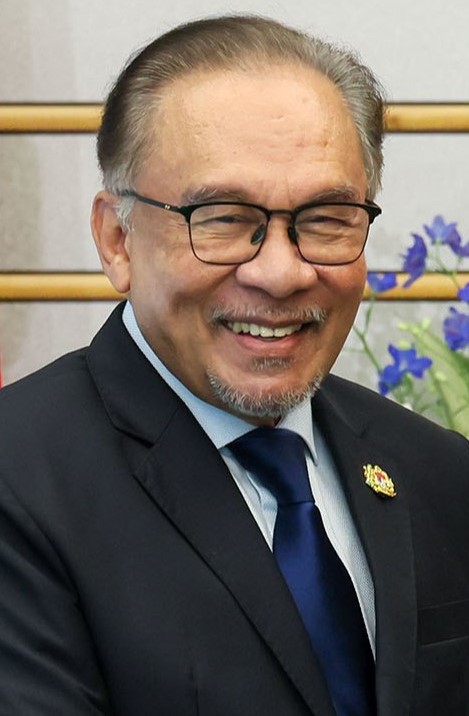
The passing of Guterres carries implications beyond Timor-Leste's borders, particularly for Southeast Asian neighbours who have watched the nation's development with interest. Malaysian Prime Minister Datuk Seri Anwar Ibrahim issued a statement expressing sadness at the death and extending formal condolences to Guterres's family and the Timorese people. Anwar's remarks, stating that "Malaysia mourns his passing alongside the Timorese people" and promising that Guterres "will be remembered here with respect and affection," reflect the regional dimension of his legacy. That a former guerrilla leader who fought colonial and occupying forces earned such respectful acknowledgement from neighbouring governments illustrates how Timor-Leste's independence struggle has achieved broad legitimacy across the region.
Guterres's death removes from the political arena one of the last surviving icons of Southeast Asia's decolonisation era. As globalisation and economic integration reshape regional politics, the passing of such figures symbolises a generational transition. Younger Timorese, who never experienced occupation or armed struggle, will now inherit governance responsibilities without the direct memory of independence warfare that shaped Guterres's worldview and policy priorities. This shift raises questions about how Timor-Leste will preserve the historical consciousness and values associated with the independence movement while adapting to contemporary challenges of economic development, climate vulnerability, and regional competition.
The week of mourning also provides occasion for Timorese society to reflect on the nation's post-independence trajectory. Timor-Leste has faced considerable obstacles since 2002, including ongoing poverty, sporadic political instability, and heavy dependence on oil revenues that are gradually depleting. Guterres, despite electoral defeat in 2022, remained a symbolic repository of the hopes and sacrifices that underpinned the independence vision. His passing prompts inevitable comparisons between the aspirations of the liberation era and the realities of nation-building, between the heroic narratives of resistance and the grinding difficulties of institution-building in a small, resource-constrained state. These reflections may prove valuable as Timorese leaders contemplate their nation's future direction in an increasingly multipolar Southeast Asian region.