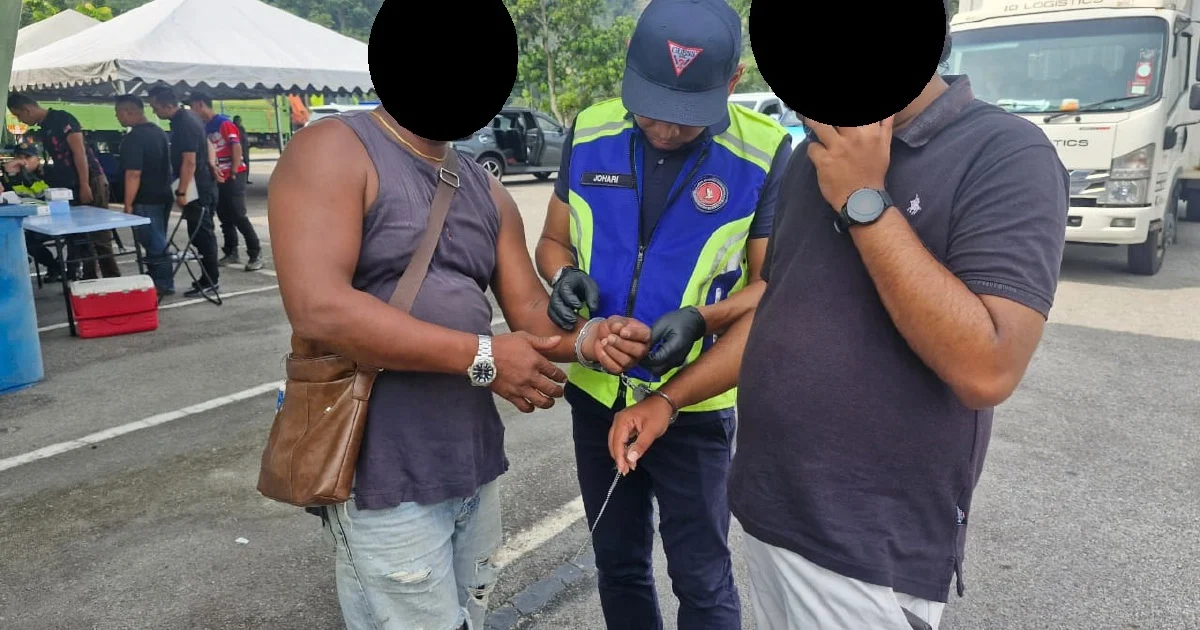
A timber lorry driver has been arrested in Kuala Lumpur following a positive drug test during a routine screening operation at the Gombak Toll Plaza. The driver was among two individuals identified during the enforcement activity, raising fresh concerns about substance abuse among professional drivers operating heavy vehicles on Malaysian highways.
The detection highlights the persistent challenge authorities face in combating drug use among transport workers, a sector critical to Malaysia's logistics and supply chain infrastructure. Commercial drivers operate under stringent regulations governing fatigue and road safety, yet the prevalence of drug use within this workforce threatens public safety on congested urban and intercity routes. The Gombak corridor, a major arterial serving the Klang Valley region, witnesses substantial commercial traffic daily, making such enforcement operations strategically important.
Drug-screening checkpoints at toll plazas represent a coordinated effort between law enforcement agencies to detect and deter substance abuse at critical transport nodes. These operations are typically conducted without advance notice to maximise detection rates and prevent drivers from altering their routes or seeking alternative passes. The initiative reflects broader highway safety protocols designed to identify drivers whose impairment could endanger themselves and other road users. Methamphetamine and cannabis both impair cognitive function, reaction time, and motor control—capacities essential for safely operating multi-tonne vehicles carrying valuable cargo such as timber.
The case underscores a troubling pattern in Malaysia's transport sector, where the combination of demanding schedules, tight delivery windows, and accessibility of stimulants creates vulnerability to substance misuse. Commercial drivers frequently work extended hours across long distances, and some resort to drugs to maintain alertness and meet contractual obligations. This practice, while temporarily extending work capacity, introduces dangerous liabilities that regulatory frameworks attempt to address through random testing and prosecution.
Malaysia's dangerous drugs legislation imposes serious penalties for possession and consumption, with mandatory sentences reflecting the government's zero-tolerance stance. Individuals testing positive face charges under the Dangerous Drugs Act 1952, which carries imprisonment and fine provisions depending on the substance and quantity involved. Convictions carry additional consequences, including suspension or revocation of commercial driving licences, effectively ending employment prospects within the transport industry. Such sanctions serve both punitive and deterrent functions, aiming to discourage participation in drug use among professionals holding public safety responsibilities.
The timber industry itself operates under significant pressure to meet production and delivery schedules, particularly as export-dependent sectors face competitive international markets. This commercial pressure may inadvertently create environments where drivers feel compelled to enhance performance through chemical means. Industry associations and employers have roles in promoting workplace safety cultures that discourage drug use and provide support systems for workers struggling with substance dependency. Responsible operators typically conduct their own driver screening and training programmes, though enforcement varies across enterprises of different sizes and resources.
The detection at Gombak Toll Plaza reflects investment in technology and personnel to support drug screening operations. Roadside tests can identify substances in biological samples within minutes, enabling rapid processing and detention decisions. However, confirmatory laboratory testing remains necessary for prosecution purposes, requiring hair, urine, or blood samples to be analysed in accredited facilities. The dual-stage approach ensures both practical enforcement efficiency and legal robustness in subsequent court proceedings.
Regional context matters here; Southeast Asia contends with significant narcotics trafficking and domestic consumption challenges across borders, and Malaysia sits strategically within trafficking corridors moving drugs from production zones in the Golden Triangle through to markets across the region and beyond. Domestic demand from various population segments sustains supply chains, and commercial drivers occasionally become either consumers or unwitting couriers. Law enforcement agencies coordinate across federal and state lines to manage this multi-dimensional challenge, though capacity limitations and the sheer scale of transport movements create ongoing vulnerabilities.
Public health and occupational safety frameworks increasingly recognise drug dependency not solely as a criminal matter but as a health issue requiring rehabilitation and support. While prosecution remains appropriate for apprehended offenders, broader strategies incorporating treatment facilities, workplace counselling, and community awareness programmes address underlying causes driving substance abuse. The Kuala Lumpur area benefits from relatively developed treatment and rehabilitation infrastructure compared to rural regions, though accessibility and stigma barriers remain significant obstacles for individuals seeking help.
The timber sector specifically faces particular scrutiny given deforestation concerns and sustainability pressures affecting Malaysian operations. Supply chains in primary commodities like timber operate under increasing transparency requirements from international markets and certification bodies. Beyond the immediate legal consequences for individual drivers, associations with illegal or unsafe practices risk reputational damage to timber companies and their export competitiveness. Companies maintaining rigorous compliance and safety standards enhance their standing with environmentally and socially conscious international buyers. This provides incentive structures for firms to invest proactively in driver screening and workplace safety initiatives.
Moving forward, the arrest at Gombak Toll Plaza serves as a reminder of enforcement priorities and the broader ecosystem of risks surrounding heavy vehicle operations in Malaysia's transport networks. Continued screening operations, enhanced training for drivers, industry cooperation on safety standards, and accessible rehabilitation pathways collectively strengthen the response to substance abuse in professional driving. Authorities are likely to maintain checkpoint operations and potentially expand screening protocols to additional toll plazas and highways where heavy vehicle traffic volumes justify such investments.

