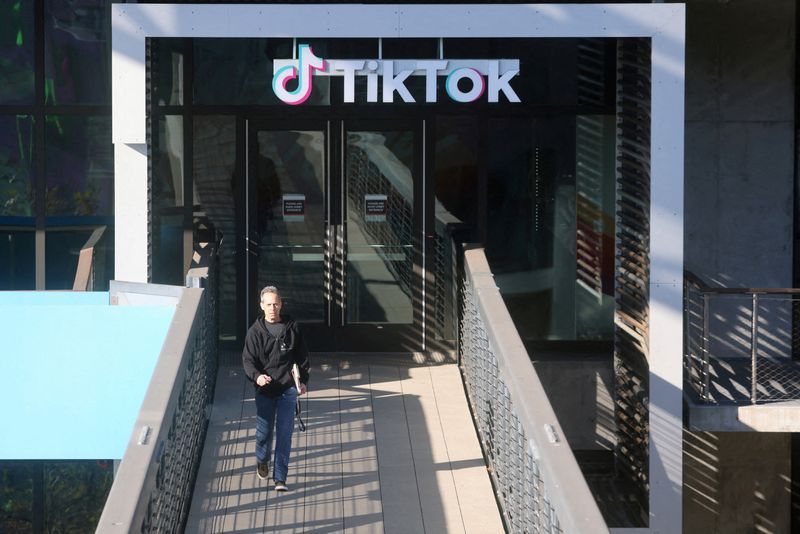
TikTok has moved to resolve a high-profile case brought by a Florida teenager who alleged that prolonged use of the platform contributed to serious mental health deterioration, according to announcements from the plaintiff's legal representatives on Tuesday. Morgan & Morgan, the law firm representing the 15-year-old identified by his initials R.K.C., confirmed that both parties have reached a settlement in principle, though the specific terms remain under negotiation and have not been publicly disclosed. The ByteDance-owned platform declined to issue an immediate statement regarding the agreement.
This settlement represents another strategic retreat by a major social media firm facing mounting litigation over allegedly addictive design features targeting young users. R.K.C. initiated his case by claiming that exposure to social media beginning around age eight led him down a path of compulsive usage, resulting in severe sleep deprivation and the emergence of clinical depression and anxiety symptoms. His original lawsuit named four defendants: YouTube owned by Google, Instagram and Facebook owned by Meta, Snapchat controlled by Snap Inc, and TikTok. The digital ecosystem appears to be fracturing under legal pressure, with YouTube already settling in June while the other platforms prepared for court battles.
The broader litigation landscape in California presents a formidable challenge to the social media industry. More than 3,300 separate addiction-related claims have been filed in state court, with an additional 2,600 lawsuits pending in the federal system brought by individuals, school districts, municipalities, and state attorneys general. This extraordinary volume of legal action reflects deepening public anxiety about whether technology companies have prioritised engagement metrics and advertising revenue over the wellbeing of their youngest users. The companies have uniformly denied wrongdoing and counter-argue that they implement substantial protective mechanisms to shield young users from potential harms.
The case brought by R.K.C. is positioned to become only the second trial proceeding in California state court examining whether social media platforms deliberately engineered addictive features that have contributed to a documented youth mental health crisis. Meanwhile, Meta and Snapchat remain scheduled for trial commencement on July 27, representing a critical juncture where a jury will assess liability and potentially award damages. These forthcoming trials carry immense strategic weight for the entire industry, as verdicts could establish legal precedents affecting the remaining thousands of pending cases.
The first completed trial in California state court concluded in March and involved a woman who alleged she suffered addiction due to the attention-grabbing algorithmic design of multiple platforms. That case saw TikTok and Snap settle before jury proceedings commenced, while Meta and Google proceeded to full trial. The jury determined both companies had acted negligently, awarding $4.2 million against Meta and $1.8 million against Google. A judge subsequently rejected motions by both firms to overturn the verdict in June, reinforcing the legal vulnerability these companies now face.
Parallel litigation in federal court has also exacted significant financial costs. A Kentucky school district pursued claims against Meta, Snap, TikTok and YouTube alleging the platforms misrepresented their safety features and deliberately constructed systems to capture children's attention and create dependency. Before the scheduled June trial, all four defendants agreed to pay the district a combined $27 million settlement, demonstrating that courts and juries across multiple jurisdictions appear increasingly receptive to addiction and harm allegations.
Beyond the California-focused disputes, nearly every state in the nation has independently filed its own lawsuits against these companies in state-specific court systems. These coordinated actions from state attorneys general and local governments amplify the legal siege facing the industry. The accusations centre on two core claims: that the companies deliberately misled families and regulators about the actual safety measures protecting young users, and that platform designs specifically incorporate psychological triggers and addictive mechanisms targeting children and adolescents.
For Malaysian readers and regional stakeholders, these American legal developments carry direct relevance. Social media platforms operate globally with largely identical algorithmic systems, suggesting that design features alleged to cause harm in California function identically in Malaysia, Singapore, Indonesia and across Southeast Asia. The outcomes of these trials may establish precedents that influence regulatory approaches in other jurisdictions and potentially expose these companies to similar litigation risks in Asian markets where youth mental health concerns have also intensified.
The settlement pattern emerging from these cases suggests that social media companies may view negotiated financial resolutions as preferable to extended jury trials where sympathetic young plaintiffs present emotional testimony about depression, anxiety and sleep deprivation. Each settlement, however, contains confidentiality clauses preventing public disclosure of payment amounts, creating asymmetrical information where the industry understands its exposure better than regulators or the public. The cumulative financial and reputational damage from thousands of pending cases appears substantial enough to warrant strategic settlement decisions rather than protracted courtroom battles.
As TikTok and other platforms navigate this litigation explosion, their business models face fundamental scrutiny. Regulators, lawmakers and courts across multiple jurisdictions are essentially asking whether advertising-dependent platforms can simultaneously serve younger users' interests while maximising engagement and monetisation. The financial settlements combined with adverse jury verdicts suggest American courts are increasingly sceptical of industry assurances regarding safety protocols. For Southeast Asian governments considering their own regulatory frameworks around social media and youth protection, these California proceedings offer cautionary lessons about relying on corporate self-regulation rather than statutory safeguards.

