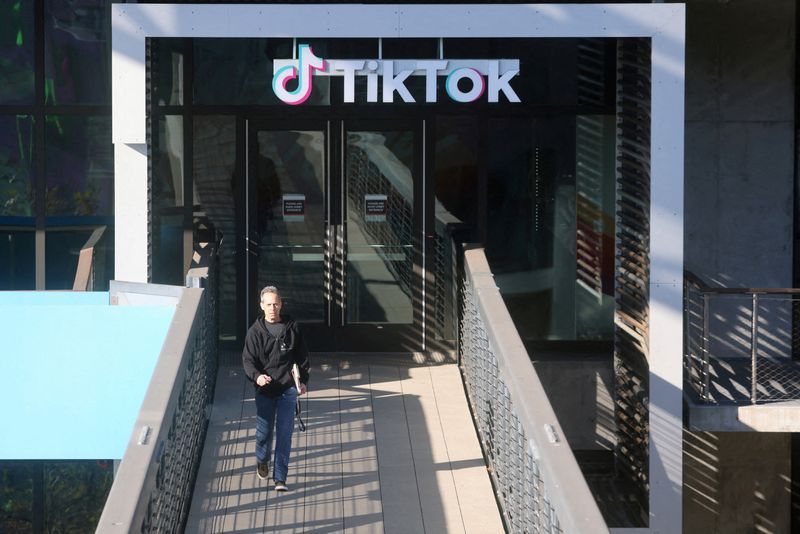
TikTok has agreed to settle a legal claim from a teenager who sued the platform alleging it caused significant psychological damage, according to representatives from the law firm handling the case. Morgan & Morgan, which represents the young plaintiff, confirmed on Tuesday that the settlement has been reached in principle, though the final terms remain under negotiation and have not yet been disclosed to the public.
The case represents another significant milestone in a growing wave of litigation targeting social media companies over their role in deteriorating youth mental health. The settlement removes one defendant from what was expected to be the second major trial in California state court examining how platforms contribute to depression, anxiety, and other psychological harms experienced by young users. This legal momentum reflects increasing judicial and legislative concern about the impact of social media on child development.
The original lawsuit was filed by a 15-year-old from Florida identified as R.K.C., who named four major social media platforms in his complaint: Google's YouTube, Meta's Instagram, Snap Inc's Snapchat, and ByteDance's TikTok. Each platform faces similar accusations that their business models, which prioritize engagement and screen time, prioritize profit over child safety. YouTube was the first to settle its portion of the case in June, reducing the number of defendants facing trial.
According to court documents, R.K.C. began using social media platforms at approximately eight years old, an age when children are particularly vulnerable to developing problematic usage patterns. Over time, he became increasingly dependent on these apps, experiencing sleep disruption and developing symptoms consistent with depression and anxiety. His experience mirrors patterns documented across numerous studies linking heavy social media use during childhood and adolescence with measurable declines in mental health outcomes.
The remaining defendants, Instagram and Snapchat, are still scheduled to proceed to trial in July in California state court. These trials will likely attract significant attention from policymakers, parents' groups, and tech industry observers, as they promise to delve into internal company practices and decision-making regarding child safety. The evidence presented could influence how regulators and legislators across the United States and internationally approach tech regulation.
For Malaysian and Southeast Asian audiences, these developments carry particular relevance. Social media penetration in the region is among the world's highest, with young people spending substantial daily hours on these platforms. The legal precedents being established in California may eventually inform how regional governments approach technology regulation and corporate accountability. Several Southeast Asian nations have already begun examining their own legislative frameworks for protecting minors online.
The settlement strategy adopted by TikTok mirrors the approach of its competitor YouTube, suggesting that social media companies may prefer resolving individual cases through financial agreements rather than defending their practices in open court. This approach allows platforms to avoid detailed judicial scrutiny of their internal algorithms, engagement metrics, and design choices that may disproportionately affect vulnerable populations. The financial cost of settlements may ultimately be viewed by these companies as a manageable business expense.
The psychological harms alleged in these cases—sleep loss, anxiety, depression—represent documented consequences that researchers have increasingly linked to excessive social media use during formative years. The addictive design elements embedded in these platforms, including infinite scrolling, algorithmic recommendation systems, and notification features, have been specifically engineered to maximize engagement. Critics argue these mechanisms exploit vulnerabilities in adolescent neurodevelopment, particularly the parts of the brain responsible for impulse control and reward processing.
The legal framework emerging from these California cases may ultimately establish important precedents regarding corporate liability for child safety. Unlike traditional product liability cases, social media litigation presents novel questions about whether platforms can be held responsible for psychological harm caused by design choices. The outcomes of these trials could reshape how technology companies approach age-appropriate product development and safety guardrails.
Looking forward, the settlement and pending trials suggest that litigation will continue to be a significant pressure point for social media reform. Whether driven by legal liability or regulatory threat, platforms may gradually implement more robust age verification systems, algorithmic modifications that reduce addictive features for younger users, and enhanced parental oversight tools. The financial and reputational stakes involved create incentives for meaningful change, though implementation remains inconsistent across platforms.
For families throughout Southeast Asia grappling with children's social media use, these cases highlight the importance of maintaining awareness about how platforms operate and the documented risks associated with excessive usage. The legal battles unfolding in California represent part of a broader global reckoning with how technology companies balance profitability against child welfare, a tension that will likely intensify as evidence of harm accumulates and regulatory pressure mounts across different jurisdictions.

