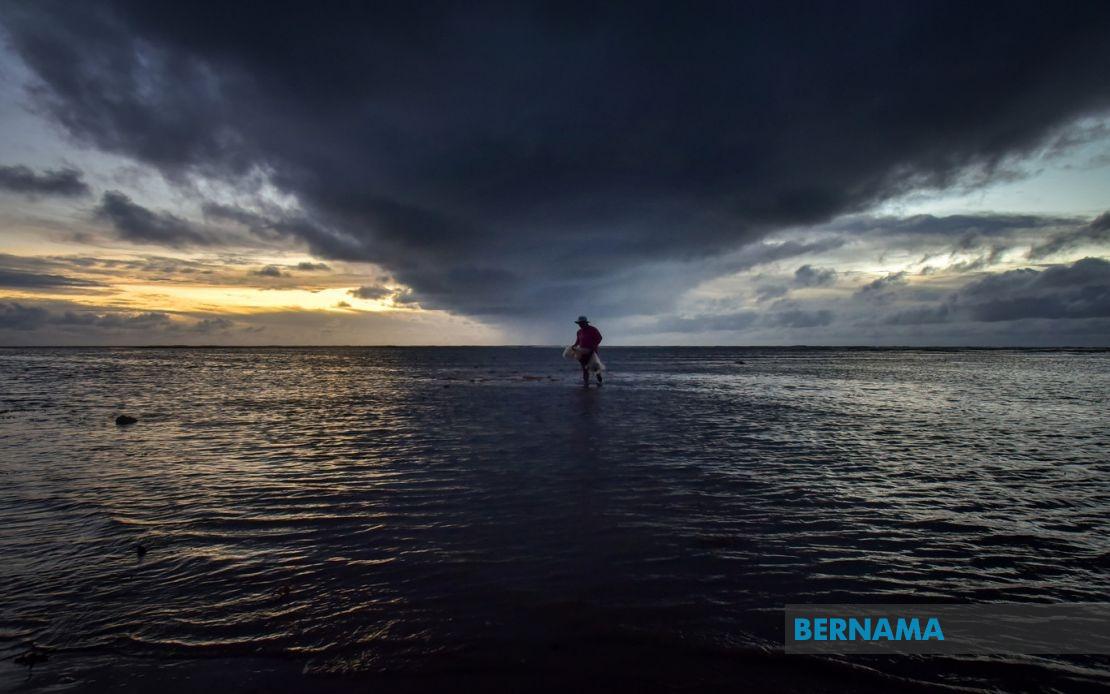
Malaysia faces an extensive weather system today, with the Malaysian Meteorological Department warning of severe thunderstorms, torrential rain and gusty winds affecting the majority of populated areas across the nation until 5pm. The warning encompasses virtually all of Peninsular Malaysia alongside multiple districts in East Malaysia and the federal territory, indicating a weather pattern of considerable geographic scope and intensity.
In the northern peninsula, the entire states of Perlis and Penang lie directly in the path of the approaching system. The conditions will be particularly severe across these regions, with minimal reprieve expected for residents and commuters throughout the day. The warning's extension across such complete political boundaries suggests meteorologists have identified a cohesive weather pattern rather than scattered isolated cells, pointing toward a larger atmospheric disturbance moving through the region.
Kedah's east coast and interior areas have been specifically flagged, with vulnerable districts including the tourist-dependent Langkawi island and several interior communities such as Baling, Sik, Kubang Pasu and Kulim. The inclusion of Langkawi carries particular significance given its reliance on aviation and maritime transportation, both of which become hazardous during severe thunderstorm activity. The warnings across Kedah's agricultural heartland also suggest potential impacts on farming operations during this critical season.
Perak's extensive warning coverage stretches from its western coastal plain through its central tin-mining belt to its eastern highlands. Affected areas span from Manjung and Kerian on the coast through Kinta's densely populated tin regions to the elevated terrain of Hulu Perak. This geographic distribution indicates the system will impact both lowland and elevated areas, though hill stations like Cameron Highlands face their own specific hazard profile during such events, including landslide and flash-flood risks on steep slopes.
The central peninsula's developed corridor from Selangor through Negeri Sembilan and into Pahang faces significant disruption potential. Selangor's warning coverage includes Hulu Selangor, Gombak and Hulu Langat—districts that feed the Klang Valley's water supplies and serve as weekend retreats for Kuala Lumpur residents. Pahang's Cameron Highlands, Raub, Bentong and Rompin represent both tourism-dependent communities and areas prone to infrastructure damage during severe weather. The warning's extension into Negeri Sembilan's population centers including Seremban indicates the system's inland penetration.
Johor's east-coast districts of Mersing and Kota Tinggi, both coastal and tourism-oriented, face elevated risk from this system. These areas experience seasonal monsoon patterns, but isolated thunderstorm warnings suggest conditions exceeding typical June weather patterns. Coastal communities should anticipate rough seas and potential transport disruptions affecting both passenger and cargo movements along the peninsula's eastern flank.
East Malaysia's vulnerability to this system demonstrates its broad regional reach. Sabah's Interior division covering Sipitang, Tenom, Kuala Penyu, Beaufort and Tambunan represents the state's agricultural and indigenous heartland. The simultaneous warning across the West Coast division and multiple districts in Sandakan, Tawau and Kudat suggests the system will traverse most of Sabah's inhabited regions. The inclusion of the Federal Territory of Labuan, an offshore financial center, indicates maritime hazards will accompany the weather system.
Sarawak's warning coverage presents a particularly complex geographic picture, affecting the state's primary population centers and economic zones. The Kuching division warning covers the state capital and surrounding areas, while Samarahan, Sri Aman and multiple districts in Betong, Sarikei, Sibu and Mukah represent communities spread across the state's interior river systems. The warnings extending to Bintulu's industrial zone and across the Miri division toward Limbang on the Brunei border suggest virtually no section of Sarawak escapes this weather system's impacts. River communities and agricultural areas dependent on water transport face particular disruption risks.
The concentration of warnings until 5pm provides a defined timeframe for Malaysian residents, businesses and authorities to prepare and respond. This duration suggests the system's peak intensity will occur during afternoon hours when atmospheric heating reaches maximum levels, a characteristic pattern of tropical thunderstorm development. Commuters should anticipate major traffic disruptions during late afternoon rush hours, potentially extending beyond the official warning window if the system's trailing edges linger longer than forecast.
Transport operators across all sectors face operational challenges from these conditions. Aviation authorities will likely implement holding patterns or diversions, affecting both international and domestic flight schedules. Coastal shipping and maritime operations will experience rough seas and reduced visibility. The nation's road networks, particularly those traversing elevated terrain or crossing flood-prone areas, may experience capacity reductions or temporary closures depending on local conditions. Public transportation operators should prepare contingency plans for delayed or suspended services.
The warning's geographic comprehensiveness suggests a significant atmospheric system rather than a typical afternoon convective outbreak. Malaysian residents, particularly those in rural or flood-prone areas, should remain vigilant for flash flooding in low-lying regions and potential tree damage from wind gusts. Outdoor activities, construction work and maritime operations should proceed with extreme caution or be postponed until conditions improve. Authorities and emergency services should maintain heightened readiness throughout the warning period to respond to weather-related incidents.
%22%2F%3E%3C%2Fpattern%3E%3C%2Fdefs%3E%3Crect%20width%3D%22100%25%22%20height%3D%22100%25%22%20fill%3D%22url(%23ph5mojig)%22%2F%3E%3Crect%20width%3D%22100%25%22%20height%3D%22100%25%22%20fill%3D%22url(%23ph5mojip)%22%2F%3E%3Ctext%20x%3D%2250%25%22%20y%3D%2250%25%22%20text-anchor%3D%22middle%22%20dominant-baseline%3D%22central%22%20fill%3D%22rgba(255%2C255%2C255%2C0.95)%22%20font-family%3D%22Georgia%2C%20'Times%20New%20Roman'%2C%20serif%22%20font-weight%3D%22700%22%20font-size%3D%22320%22%20letter-spacing%3D%22-0.02em%22%3EPM%3C%2Ftext%3E%3C%2Fsvg%3E)
%22%2F%3E%3C%2Fpattern%3E%3C%2Fdefs%3E%3Crect%20width%3D%22100%25%22%20height%3D%22100%25%22%20fill%3D%22url(%23phgab1g)%22%2F%3E%3Crect%20width%3D%22100%25%22%20height%3D%22100%25%22%20fill%3D%22url(%23phgab1p)%22%2F%3E%3Ctext%20x%3D%2250%25%22%20y%3D%2250%25%22%20text-anchor%3D%22middle%22%20dominant-baseline%3D%22central%22%20fill%3D%22rgba(255%2C255%2C255%2C0.95)%22%20font-family%3D%22Georgia%2C%20'Times%20New%20Roman'%2C%20serif%22%20font-weight%3D%22700%22%20font-size%3D%22170%22%20letter-spacing%3D%22-0.02em%22%3EMalaysia%3C%2Ftext%3E%3C%2Fsvg%3E)
%22%2F%3E%3C%2Fpattern%3E%3C%2Fdefs%3E%3Crect%20width%3D%22100%25%22%20height%3D%22100%25%22%20fill%3D%22url(%23ph1tju4g)%22%2F%3E%3Crect%20width%3D%22100%25%22%20height%3D%22100%25%22%20fill%3D%22url(%23ph1tju4p)%22%2F%3E%3Ctext%20x%3D%2250%25%22%20y%3D%2250%25%22%20text-anchor%3D%22middle%22%20dominant-baseline%3D%22central%22%20fill%3D%22rgba(255%2C255%2C255%2C0.95)%22%20font-family%3D%22Georgia%2C%20'Times%20New%20Roman'%2C%20serif%22%20font-weight%3D%22700%22%20font-size%3D%22170%22%20letter-spacing%3D%22-0.02em%22%3EMalaysia%3C%2Ftext%3E%3C%2Fsvg%3E)