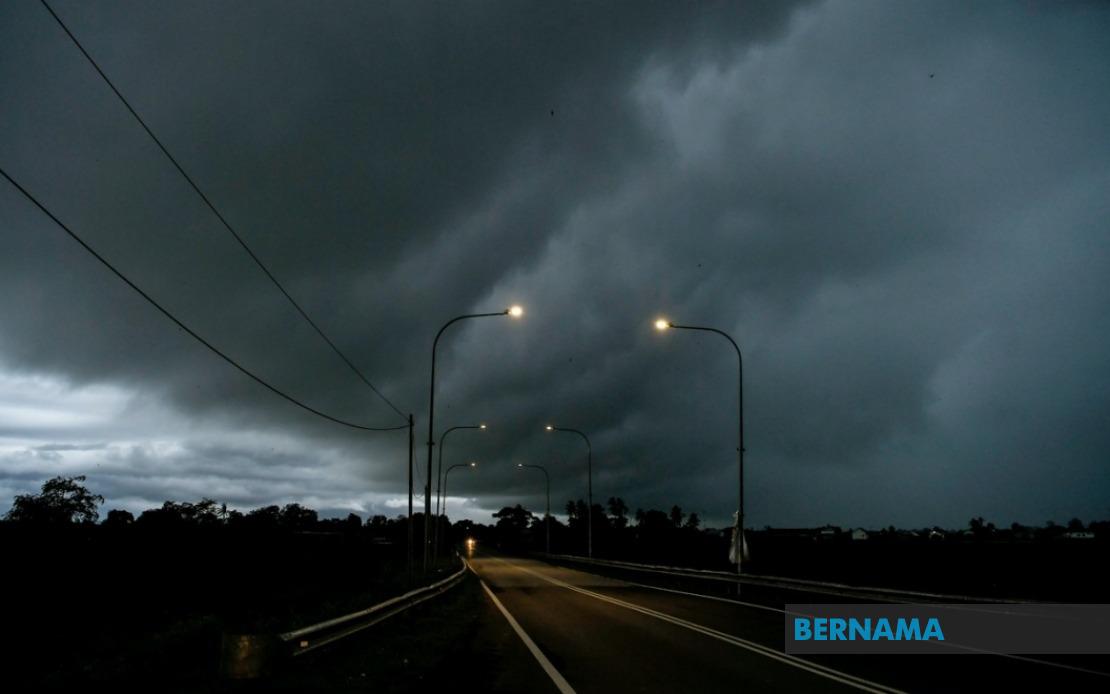
The Malaysian Meteorological Department has activated a weather alert system for thunderstorms affecting a significant swathe of the country, with hazardous conditions expected to persist until midnight. The warning encompasses seven states across both Peninsular Malaysia and East Malaysia, indicating a broad atmospheric disturbance system impacting diverse regions simultaneously. The alert carries implications for commuters, outdoor workers, and residents in affected areas who should take precautions against the anticipated severe weather.
In Peninsular Malaysia, the entire state of Melaka faces the brunt of the warning, while several eastern coastal districts in Terengganu have also been flagged for potential impact. The affected Terengganu areas include Setiu, Kuala Nerus, Hulu Terengganu, Kuala Terengganu, Marang, Dungun, and Kemaman, covering a substantial portion of the state's geography. This concentration of warning zones along Terengganu's coast and inland areas suggests the weather system is likely producing significant moisture flows from the South China Sea, a pattern common during mid-year monsoon transitions.
The warning extends into central Peninsular Malaysia, with Pahang's interior districts of Jerantut and Bera positioned to experience the severe conditions. Simultaneously, two districts in Negeri Sembilan—Jempol and Tampin—are also included in the alert. The southern region faces perhaps the widest coverage, with six Johor districts flagged: Tangkak, Segamat, Muar, Batu Pahat, Kluang, and Pontian. This distribution pattern across multiple state boundaries indicates a substantial weather system rather than isolated local disturbances.
Across the South China Sea, East Malaysia faces comparable weather threats. In Sarawak, four separate areas have triggered the alert: the districts of Sarikei and Sibu in the central region, alongside Limbang in the north, and the Song district within Kapit Division. Additionally, the Pusa, Saratok, and Kabong areas in the Betong Division are forecast to experience thunderstorms and heavy rain. The broad geographic spread across Sarawak's divisions underscores how the atmospheric system spans considerable distances.
Sabah's interior and coastal zones are similarly affected. The Sipitang district in the Interior Division has been included in the warning, alongside the eastern districts of Sandakan and the Tawau Division areas comprising Tawau, Kunak, and Lahad Datu. These locations, spanning from the north to the south of Sabah's eastern seaboard and extending into interior regions, face potential disruption from the forecast conditions. The geographic concentration along Sabah's east coast mirrors patterns typical of systems generating moisture from the Sulu and Celebes Seas.
Thunderstorms accompanied by heavy rainfall create immediate hazards across multiple sectors. Transportation networks, particularly road and air services, become vulnerable to delays and disruptions. Heavy downpours risk overwhelming drainage systems in urban areas, potentially causing localized flooding. Agricultural activities and outdoor construction projects face interruptions, with economic implications for affected industries. For residents, the combination of thunder, lightning, and strong winds necessitates securing loose outdoor items and avoiding open areas during peak storm activity.
The timing of this warning—issued for conditions persisting until midnight—suggests meteorologists are tracking a developing system with sufficient confidence to issue alerts across such a wide geographic footprint. Weather forecasters typically issue multi-state alerts when analyzing synoptic-scale weather patterns or monsoon-related disturbances rather than isolated thunderstorm cells. The simultaneous coverage of areas in both Peninsular Malaysia and East Malaysia indicates a significant atmospheric feature influencing both regions, possibly related to the inter-monsoon period's transitional wind patterns.
For Malaysian businesses and individuals in the affected zones, the advisory warrants immediate operational adjustments. Commercial logistics and transportation operations should expedite shipments or prepare for schedule modifications. Construction sites must implement weather protocols to protect equipment and personnel. Utilities companies should position response teams for potential infrastructure impacts. Residents are advised to remain indoors during peak storm periods and avoid unnecessary travel to regions under alert.
The Malaysian Meteorological Department's proactive alert system provides critical advance notice enabling communities and businesses to implement protective measures. Residents monitoring weather updates can plan activities accordingly, while authorities can mobilize emergency response resources beforehand. The specificity of the warning—identifying particular districts rather than generalizing entire states—reflects MetMalaysia's operational capability to deliver targeted forecasts useful for localized decision-making. Such precision benefits both urban centers and rural communities where weather impacts vary substantially across short distances.
Given the extensive geographic coverage spanning multiple state boundaries and distinct climatic zones, individuals and organizations in the alert areas should monitor official updates from MetMalaysia for any modifications to the warning parameters or timeline. The midnight deadline provides approximately twelve hours during which conditions may evolve, potentially intensifying or diminishing the threat level. Weather systems often track predictably, and forecasters may issue refined updates as the situation develops, making continued vigilance advisable for those in affected regions.

