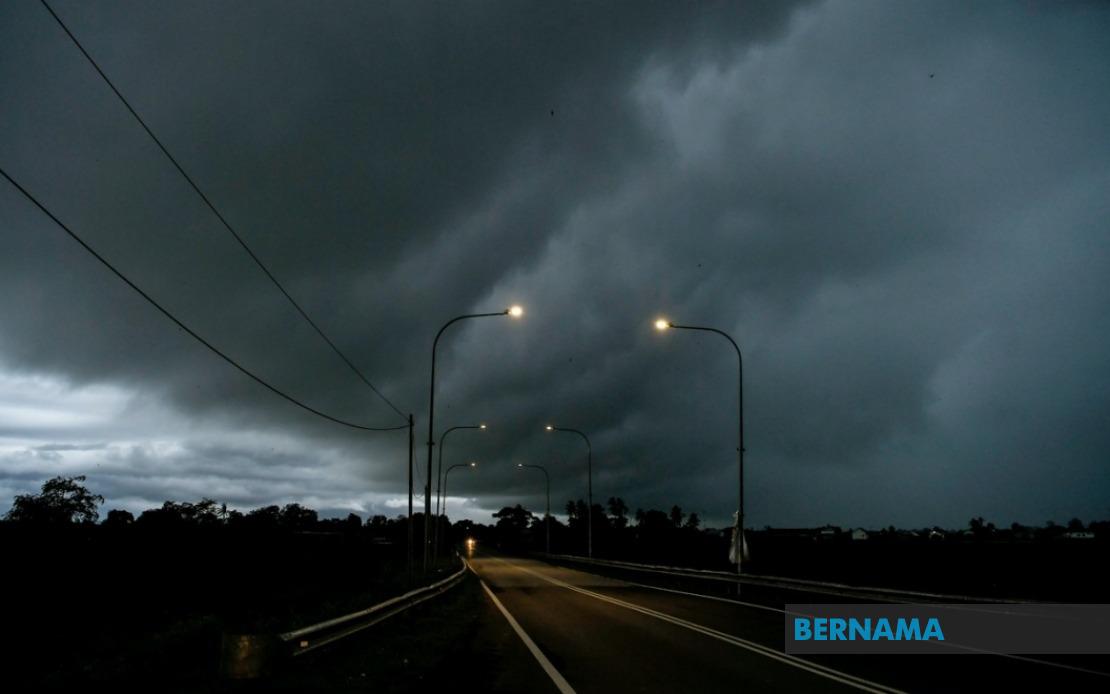
The Malaysian Meteorological Department issued a comprehensive alert on June 18 for thunderstorm activity, torrential rainfall and gusty winds spanning nine states and Labuan, with conditions expected to persist until 9 pm the same day. The weather system presents significant risks to daily activities and outdoor operations across multiple regions of the peninsula and East Malaysia, prompting residents to exercise caution during the affected period.
In the northern states, the entire area of Perlis falls under the alert zone. Kedah's warning encompasses several districts including the island state of Langkawi alongside mainland municipalities such as Kubang Pasu, Kota Setar, Pokok Sena, Padang Terap, Sik and Baling. The Perak alert covers four separate zones: Kerian, Larut, Matang and Selama in the northwestern region, plus Kuala Kangsar, Kinta and Kampar further inland. These northern and central regions represent key economic and population centres that could experience disruption to transport networks and business operations.
The alert extends into the central peninsula with warnings for specific districts in Pahang, Selangor and Negeri Sembilan. Cameron Highlands, a popular highland tourist destination, along with Bentong, Bera and Rompin face the threat of severe weather. Selangor's Hulu Langat district, which sits in the eastern ranges overlooking the Klang Valley, has been identified as vulnerable. Negeri Sembilan's two affected districts, Jelebu and Jempol, occupy the interior plateau regions where elevation can amplify weather intensity.
Southern Peninsular Malaysia also comes within the warning scope, with Johor experiencing alerts across three separate areas. Segamat in the northwest district, Kluang in the central region and Mersing on the east coast all face potential for significant weather disruption. These areas warrant particular attention given that Johor serves as a crucial transport and logistics corridor linking the peninsula to Singapore and southern Thailand.
The warning extends significantly into Sarawak, covering a substantial portion of the state's populated and interior regions. Kuching division faces risk across both Bau and the main administrative centre of Kuching, whilst Serian district in the southwest is similarly affected. Samarahan division, encompassing both Samarahan and Asajaya, joins the alert list, as does Sarikei's Meradong district. The alert encompasses Sibu, a major commercial hub in central Sarawak, along with Mukah's Tanjung Manis coastal area. Kapit and Bintulu divisions, serving as gateways to interior communities, face warnings in their respective Song and Kapit areas, and Tatau and Sebauh zones. Miri's Marudi district and Limbang complete Sarawak's coverage under the alert.
Sabah similarly finds multiple regions under thunderstorm alert, reflecting the state's diverse geography spanning coastal, lowland and highland zones. The interior districts of Sipitang, Kuala Penyu, Beaufort and Tambunan face warnings due to their elevation and terrain characteristics that can intensify convective weather systems. The entire west coast region, encompassing populated areas and transport routes, has been flagged. Sandakan division's interior districts of Tongod and Kinabatangan, which include significant settlement areas and natural reserves, are included in the advisory.
These weather warnings represent routine but serious meteorological alerts that affect millions of residents across the country. The combination of thunderstorms, heavy rainfall and strong winds poses risks including flash flooding in low-lying areas, landslides in hilly terrain, hazardous driving conditions on major highways, disruption to air travel at regional airports, and potential damage to unanchored structures or vegetation. Farmers in affected agricultural areas face crop and livestock management challenges, whilst construction and outdoor industrial projects typically suspend operations during such alerts.
The temporal window of the warning until 9 pm provides a relatively short but critical window for public precaution. Residents in affected areas are typically advised to remain indoors when possible, secure loose outdoor items, avoid driving through flooded routes, keep mobile devices charged for emergency contact, and monitor official weather updates from MetMalaysia throughout the afternoon. Schools and government offices in severely affected districts may implement early dismissal protocols to allow staff and students safe passage home before conditions worsen.
For the broader Malaysian context, such weather systems are characteristic of the region's tropical climate patterns, particularly during the southwest monsoon season and transition periods between monsoons. The geographical spread of this particular alert, spanning from Perlis to Limbang, suggests a substantial weather system moving across the country. MetMalaysia's regular issuance of such warnings demonstrates the importance of maintaining public awareness of meteorological hazards and the critical role of the department in public safety communication infrastructure.