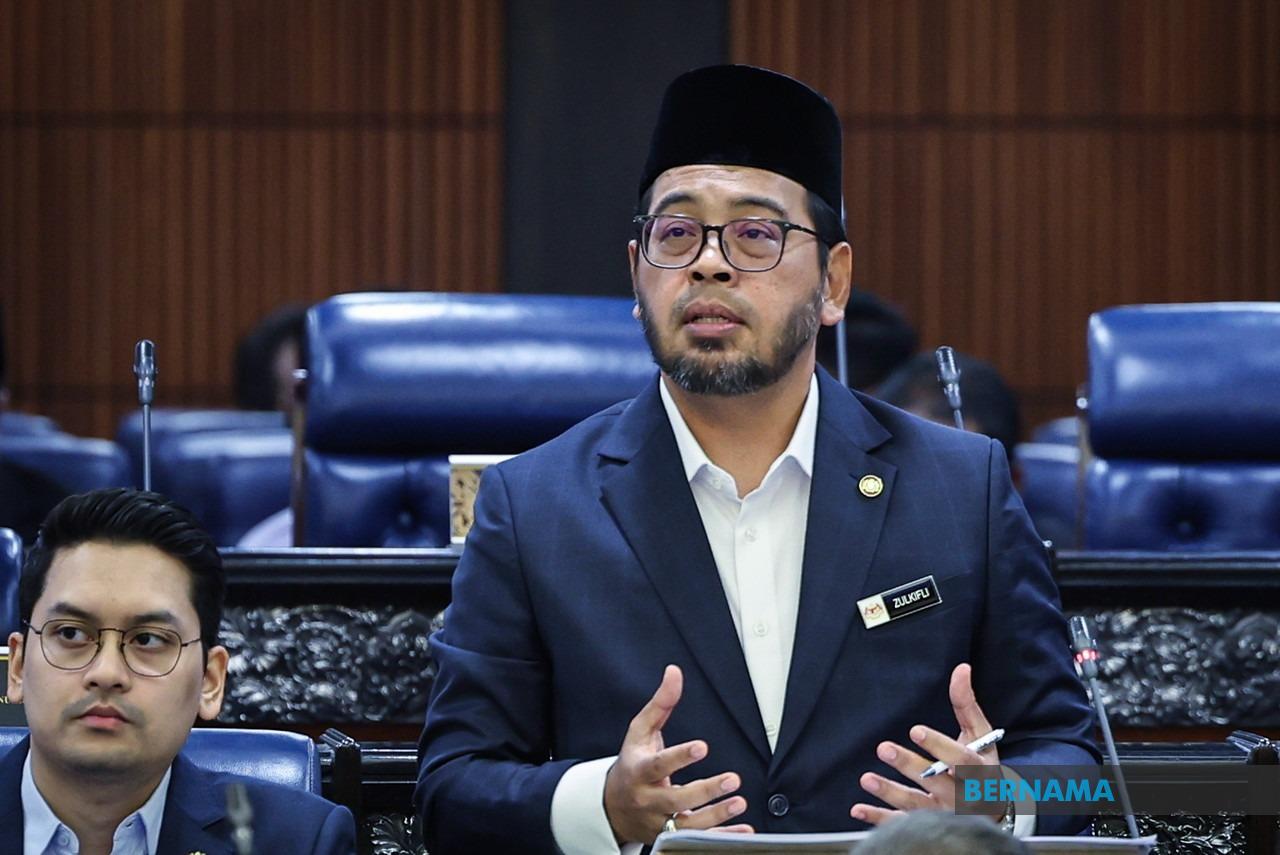
Lembaga Tabung Haji (TH) has emerged from financial distress with tangible improvements across all major operational areas since embarking on its comprehensive recovery programme six years ago, according to Minister in the Prime Minister's Department (Religious Affairs) Dr Zulkifli Hasan. Speaking during a parliamentary briefing on the Royal Commission of Inquiry findings into the institution's crisis, he outlined how strategic interventions have positioned the world's largest Islamic pilgrimage fund on substantially more solid ground, addressing longstanding concerns about depositor protection and service delivery.
The institutional overhaul has rested on nine foundational pillars deliberately designed to address the multiple dimensions of TH's former troubles. Beyond the headline task of restoring financial viability, the reform agenda encompasses strengthening internal governance and accountability mechanisms, enhancing the quality of investment decisions, and crucially, guaranteeing that pilgrims continue receiving sustainable returns on their savings. These interlocking objectives reflect recognition that TH's difficulties stemmed not merely from asset mismanagement but from systemic weaknesses in oversight and decision-making processes that had accumulated over years.
Central to the reform framework is the commitment to preserving one of TH's foundational mandates: enabling Malaysian Muslims to perform the hajj at reasonable cost. The institution has successfully frozen the pilgrim package price at RM33,300 across three consecutive seasons spanning 2024 through 2026, an achievement that gains significance when contextualized against broader economic trends. Inflation across the two-decade span from 2001 to 2023 has surged by 250 percent, placing severe upward pressure on all cost components of the hajj experience, from airfares to accommodation to ground services.
Managing this affordability objective amid inflationary headwinds required both creative negotiation and structural changes to TH's procurement practices. Rather than channelling accommodation bookings through intermediaries, the institution has negotiated directly with hotel proprietors in Mecca and Medina, leveraging its scale and reliability as a repeat customer to secure better terms. Simultaneously, long-term contracting with airlines has allowed TH to insulate pilgrims from volatile aviation fuel costs and seasonal price fluctuations. These operational refinements demonstrate that financial sustainability and pilgrim protection need not be mutually exclusive objectives when management exercises proper diligence.
The restructuring of TH's asset and liability positions has formed the technical foundation enabling these operational improvements. By reorganizing its balance sheet and addressing accumulated liabilities, the institution has restored the financial headroom necessary to invest in service quality without extracting excessive returns or taking imprudent risks. This recapitalization effort, while demanding internally, reflects hard-won lessons about the dangers of overleveraging or pursuing aggressive yield targets at the expense of institutional stability and depositor confidence.
Governance enhancements have delivered measurable recognition within the Islamic finance and pilgrimage management sectors. TH has secured the Labaytum Diamond Award, the premier certification in hajj service excellence, for the past two consecutive years, marking its fifth Labaytum honour overall. This progression up the recognition hierarchy signals that independent assessors have observed genuine transformation in operational standards, service delivery consistency, and pilgrim satisfaction across the entire hajj journey from pre-departure counselling through post-pilgrimage follow-up.
The quality improvements reflected in these accolades flow directly from professionalizing TH's leadership cadre and establishing clear accountability lines free from political interference or external pressure. The institution has moved toward recruiting and promoting managers on merit, enabling strategic planning horizons that extend beyond election cycles or ministerial tenure. This institutional autonomy, while requiring careful calibration in a government-linked context, has permitted TH's leadership to implement evidence-based decisions without fear of reversal due to political considerations.
For Malaysian depositors, particularly the roughly 6.9 million account holders who have entrusted their hajj savings to TH over the years, these reforms carry immediate practical implications. The enhanced governance framework and financial stability mean that savings are better protected against the operational missteps or market shocks that previously threatened account values. Depositors can reasonably expect that their contributions, accumulated across years of work and sacrifice, will remain available when they reach hajj eligibility, with purchasing power substantially preserved.
The broader Southeast Asian context adds another dimension to TH's recovery importance. Malaysia's hajj management system serves as a model within the region, with TH's scale and sophistication attracting interest from other Muslim-majority nations. Should TH have remained in crisis, it would have undermined confidence across the region in institutional capacity to safeguard religious-purpose savings vehicles. The successful turnaround therefore carries implications extending beyond Malaysia's borders, reinforcing the region's credibility in managing Islamic financial instruments designed for sacred obligations.
Looking forward, the resilience and sustainability TH has rebuilt through systematic reform positions it to weather future economic cycles and market volatility that historically created vulnerabilities. The governance structures now embedded in institutional practice, from investment oversight committees to depositor protection protocols, should prove durable across leadership transitions and external pressures. This institutional durability represents perhaps the most significant achievement of the reform programme, as it addresses the structural causes of TH's former distress rather than merely treating symptoms.
The recovery narrative also carries implications for how Malaysian governance institutions approach reform in the religious and financial domains simultaneously. TH's situation required balancing sacred trust obligations against fiduciary responsibility and professional management standards—tensions that do not easily resolve through conventional corporate governance templates. The pragmatic synthesis achieved, maintaining faith-based institutional mission while implementing contemporary risk management and accountability structures, offers a model potentially relevant to other religious or community-based financial institutions across the region facing similar pressures to modernize without losing foundational purpose.

