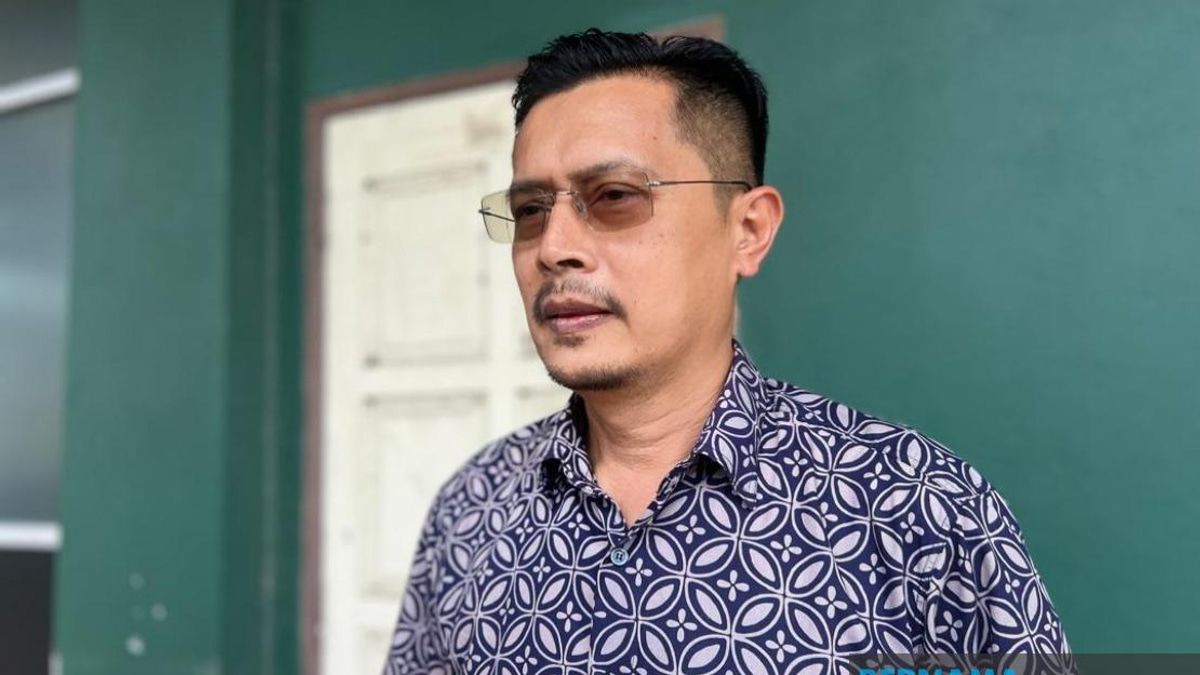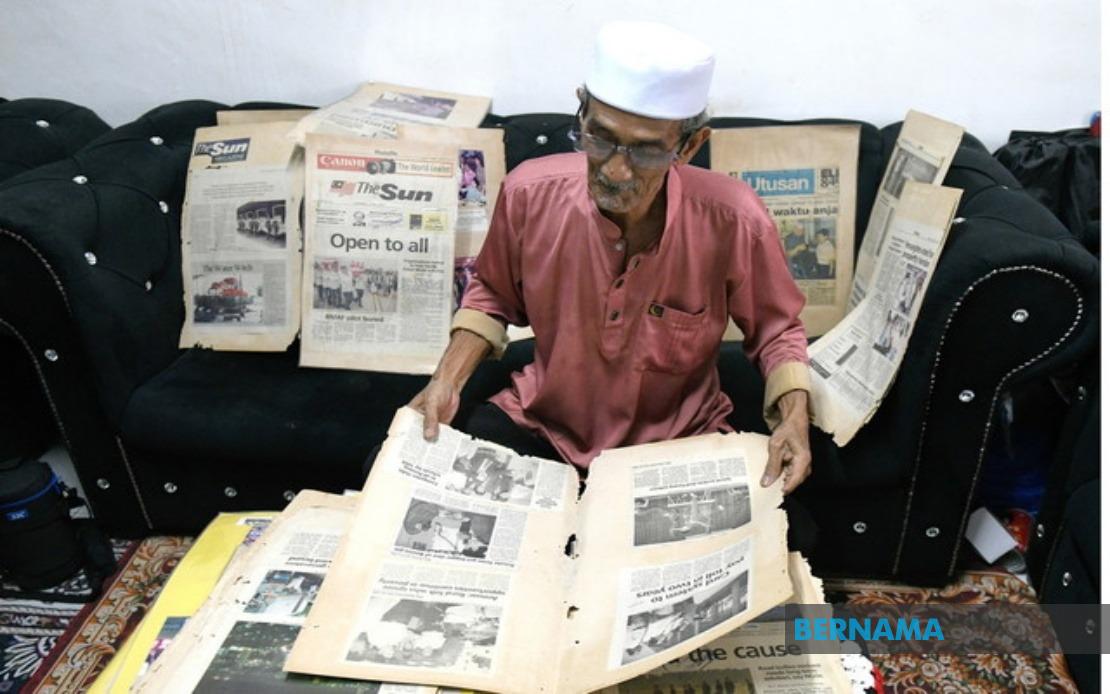
Azmi Sapiei has carried scars—both literal and figurative—from a career spanning more than three decades in Malaysia's news media landscape. The 64-year-old veteran photographer and cameraman recounts being kicked and spat upon by a suspect whilst on assignment, an incident that crystallises the occupational hazards rarely discussed in discussions about journalism. Yet such experiences have not diminished his commitment to the profession or his pride in the pivotal moments he has documented for the Malaysian public.
His most celebrated assignment came in July 1994 when Azmi captured exclusive photographs of Shamsiah Fakeh's arrival at her nephew's residence in Gombak. The former Malayan Communist Party member's return from China was a nationally significant event, and Azmi's early arrival—before security cordoned off the area—allowed him and a journalist to secure images that no other media outlet possessed. Working as a Bernama photographer at the time, Azmi employed film cameras to document the moment comprehensively, exposing three rolls of film in what he initially believed would earn editorial praise.
The reception proved humbling. Upon returning to the newsroom, his editor questioned whether three rolls represented adequate coverage, then methodically discarded the film rolls into a waste bin. The moment stung with professional embarrassment and frustration. Yet when the photographs were developed and printed, Malaysia's major newspapers ran them the following day, vindicating Azmi's instinctive understanding of newsworthiness. This formative experience matured his professional judgement and reinforced lessons that would shape his entire career trajectory.
Azmi's path to journalism was unconventional. Before pursuing his passion for photography, he worked in factory settings until deciding to relocate to Kuala Lumpur to chase his creative ambitions. He worked independently with various agencies and women's magazines before gravitating toward news photography, eventually joining Bernama in 1993. During his nearly three-year tenure at Malaysia's national news agency, he covered diverse high-profile assignments whilst absorbing the institutional culture and standards that would define his professional identity for decades.
His journey through Bernama proved transformative. The organisation functioned as what Azmi describes as a professional school, nurturing photographers to the highest editorial standards whilst instilling discipline in selecting images with genuine news value. The emphasis extended beyond technical proficiency to cultivating an eye for significance—understanding which frames advanced the narrative and which merely accumulated celluloid. This rigorous training prepared him for subsequent positions at The Sun, Bernama TV, and ultimately RTM Penang, where he worked as a part-time cameraman from 2003 until his retirement in mid-2020.
The technological transition from analogue to digital media reshaped the profession fundamentally. During the film era, photographers could only assess their work after processing, creating a lag between capture and feedback that demanded intuition and experience. Azmi wrote captions for his images before editors distributed them to Bernama's customers, a workflow that required both technical knowledge and editorial acumen. The limitations of film paradoxically cultivated discipline—every exposure mattered because wasted film represented genuine financial and temporal cost.
When Azmi transitioned to television camerawork with Bernama TV, the physical demands escalated dramatically. The Betacam cameras of that era—colloquially termed 'junk iron' by the profession—weighed approximately 12 kilogrammes. Bearing such equipment on shoulders throughout extended assignments required the kind of physical endurance that transcends typical occupational requirements. Television journalism demanded not merely technical competence but bodily resilience that could withstand the cumulative strain of equipment and extended fieldwork under variable conditions.
The incident that bookended his recollections—being kicked and spat upon whilst covering a court case circa 2001—exemplifies the interpersonal dangers inherent in news gathering. Working as a photographer for The Sun after his 1996 departure from Bernama, Azmi encountered a suspect whose reaction to media documentation manifested in physical aggression. Such moments underscore that journalism's occupational hazards extend beyond competitive pressure and deadline stress to encompass genuine personal safety concerns. Yet Azmi's willingness to continue capturing essential images despite such encounters demonstrates the professional commitment that distinguishes dedicated journalists from those merely pursuing employment.
His contributions were eventually recognised through the 2006 Penang State Media Award in the visual electronic media category, acknowledgment of his sustained excellence and resilience. Beyond institutional accolades, Azmi derived profound satisfaction from witnessing his legacy perpetuate through his second son, Muhammad Syafiq. Now 30 years old and employed with Media Prima Television Network, Syafiq developed his interest in camera work from childhood, observing his father transport equipment home and attending assignments after completing his Sijil Pelajaran Malaysia in 2016.
The intergenerational transmission of professional expertise reflects broader patterns in Malaysian journalism, where institutional knowledge transfers through family networks as much as formal training. Syafiq credits his father as simultaneously paternal figure, educator, and mentor—someone who transmitted not merely technical proficiency in filming techniques and visual composition but equally important virtues of work discipline and professional integrity. This mentorship model preserves institutional memory even as the younger generation navigates an increasingly digital media ecosystem fundamentally different from the analogue world where his father built his reputation.
Azmi's career trajectory illustrates a profession undergoing radical transformation. The shift from film to digital media, from analogue to instantaneous distribution, and from physical print dominance to multimedia platforms has rewritten journalism's operational parameters. Yet the fundamental imperative remains unchanged: capturing truthful images that illuminate public understanding of consequential events. Azmi's three decades of persistent documentation—through technological disruption, occupational danger, and evolving media economics—exemplify the enduring commitment that sustains journalism despite its diminishing status in contemporary Malaysian culture.
Reflecting on his retirement in mid-2020, Azmi can survey a career that documented pivotal national moments whilst adapting to successive technological generations. From exclusive coverage of Shamsiah Fakeh's politically significant return to daily documentation of courtroom proceedings, from carrying 12-kilogramme cameras to adapting to digital workflows, his journey encapsulates the evolution of Malaysian news media. His legacy extends beyond personal achievement to include the professional standards he transmitted to his son and, by extension, to the next generation of Malaysian visual journalists navigating an increasingly complex media landscape.

%22%2F%3E%3C%2Fpattern%3E%3C%2Fdefs%3E%3Crect%20width%3D%22100%25%22%20height%3D%22100%25%22%20fill%3D%22url(%23ph2ej7eg)%22%2F%3E%3Crect%20width%3D%22100%25%22%20height%3D%22100%25%22%20fill%3D%22url(%23ph2ej7ep)%22%2F%3E%3Ctext%20x%3D%2250%25%22%20y%3D%2250%25%22%20text-anchor%3D%22middle%22%20dominant-baseline%3D%22central%22%20fill%3D%22rgba(255%2C255%2C255%2C0.95)%22%20font-family%3D%22Georgia%2C%20'Times%20New%20Roman'%2C%20serif%22%20font-weight%3D%22700%22%20font-size%3D%22272%22%20letter-spacing%3D%22-0.02em%22%3EAnwar%3C%2Ftext%3E%3C%2Fsvg%3E)