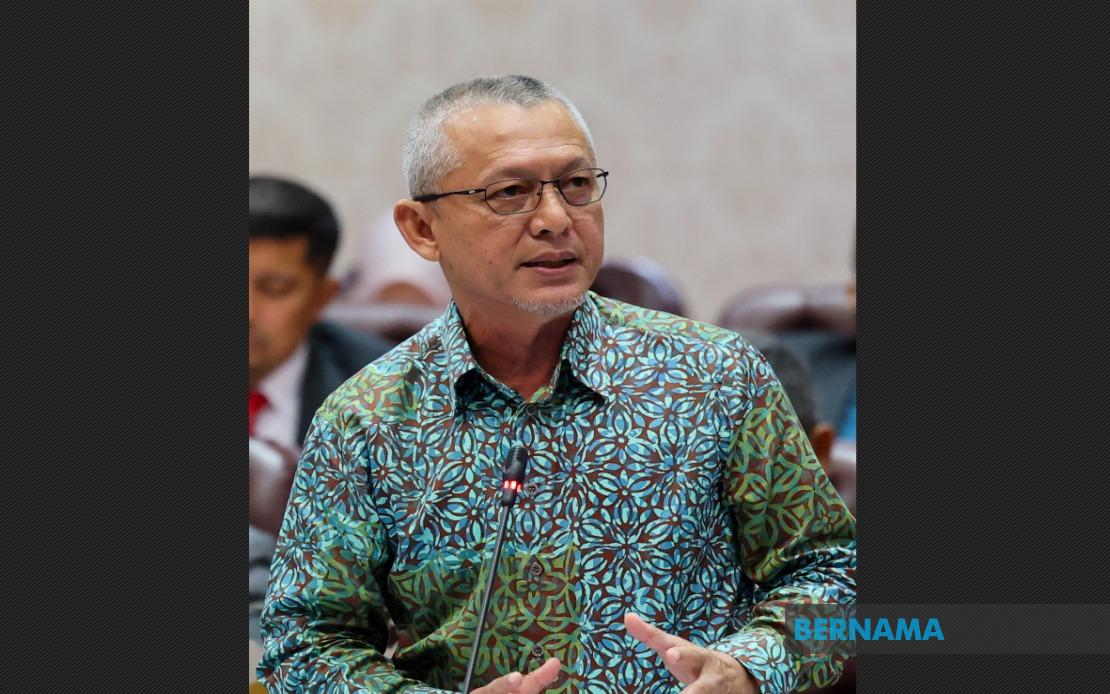
A significant shake-up has struck the Terengganu chapter of Parti Pribumi Bersatu Malaysia, with the state party chief and two other senior figures stepping down from their organizational roles. Datuk Razali Idris, who serves as both Terengganu's Bersatu leader and a member of the State Executive Council, formally notified Bersatu president Tan Sri Muhyiddin Yassin of his intention to relinquish his state-level positions on July 16. The decision marks a notable development in the coalition's regional structure as the party navigates internal transitions.
Razali's departure from the leadership hierarchy comes as the party headquarters has yet to formally acknowledge or respond to his resignation submission. This bureaucratic silence underscores a disconnect between the state organization and central command, raising questions about how swiftly Bersatu's top echelon processes such critical personnel changes. The lack of confirmation has left the state party in a period of administrative limbo, with the chief executive's status technically unresolved despite the passage of several weeks since the letter was submitted.
Beyond his resignation as state chief, Razali has committed to stepping down as Marang division chief during mid-August. He attributed the delay in finalizing this secondary resignation to unfinished administrative obligations that require his attention before a formal handover can occur. This staggered approach to resignation suggests an attempt to minimize disruption to ongoing party affairs while ensuring continuity in local governance matters, particularly given his executive council responsibilities in the state government.
Two other elected representatives have similarly departed from their party positions in recent weeks. Telemong assemblyman Mohd Zawawi Ismail has relinquished his role as Terengganu's Bersatu information chief, a post central to the party's communications strategy at state level. Simultaneously, Hulu Besut assemblyman Mohd Husaimi Hussin has vacated the position of State Bersatu treasurer, a financial and administrative role of considerable significance. Both individuals confirmed their intentions to submit formal resignation letters to the party's central machinery, though like Razali's correspondence, these communications remain in the processing stage.
Crucially, all three officials have emphasized that their resignations encompass only their party leadership positions and do not constitute a departure from Bersatu membership itself. This distinction carries substantial weight in Malaysian politics, where maintaining party membership while relinquishing leadership roles allows individuals to retain their elected seats in the state assembly and government positions without triggering the cascade of complications that would follow a complete party exit. The trio's commitment to remaining within the party fold suggests their departures reflect organizational disagreements or personal circumstances rather than ideological ruptures.
The resignations arrive amid broader scrutiny of Bersatu's regional structures across Malaysia. Since its formation, Bersatu has periodically experienced internal realignments as local leaders navigate complex relationships between state and federal party hierarchies. Terengganu, a state where Bersatu holds meaningful political presence and representation, represents a particularly important arena for the party's organizational stability. The departure of three figures simultaneously, including the state chief, signals potential underlying tensions within the regional leadership that have prompted coordinated resignations.
For Malaysian observers and stakeholders in coalition politics, these departures highlight the ongoing challenge of maintaining cohesive party machinery across diverse state contexts. Bersatu's reliance on strong individual leaders in each state means that personnel changes at this level can reverberate through local political calculations and coalition dynamics. The Terengganu situation exemplifies how personal and organizational factors interact within party structures, particularly when senior figures juggle responsibilities across multiple governing bodies and party roles simultaneously.
The timing of these resignations, coming during the middle of the year when state governments typically focus on budget implementation and development priorities, adds an additional layer of complexity to Terengganu's political operations. The departure of individuals holding executive council and information management positions creates vacancies that require urgent filling to maintain effective state administration and party communication. The delayed responses from central Bersatu leadership may reflect competing priorities at the federal level or procedural standards for processing such applications.
Looking ahead, the resolution of these resignation requests will test Bersatu's institutional processes and Muhyiddin Yassin's management of the party apparatus. Rapid approval would signal organizational efficiency and respect for departing leaders' wishes, while extended delays might perpetuate uncertainty within Terengganu's party structure. Regardless of the timeline, the resignations underscore that even coalition partners cannot take loyalty and continuity in regional leadership for granted, a lesson relevant to all Malaysian political parties navigating the intricate dynamics of multi-level governance.

