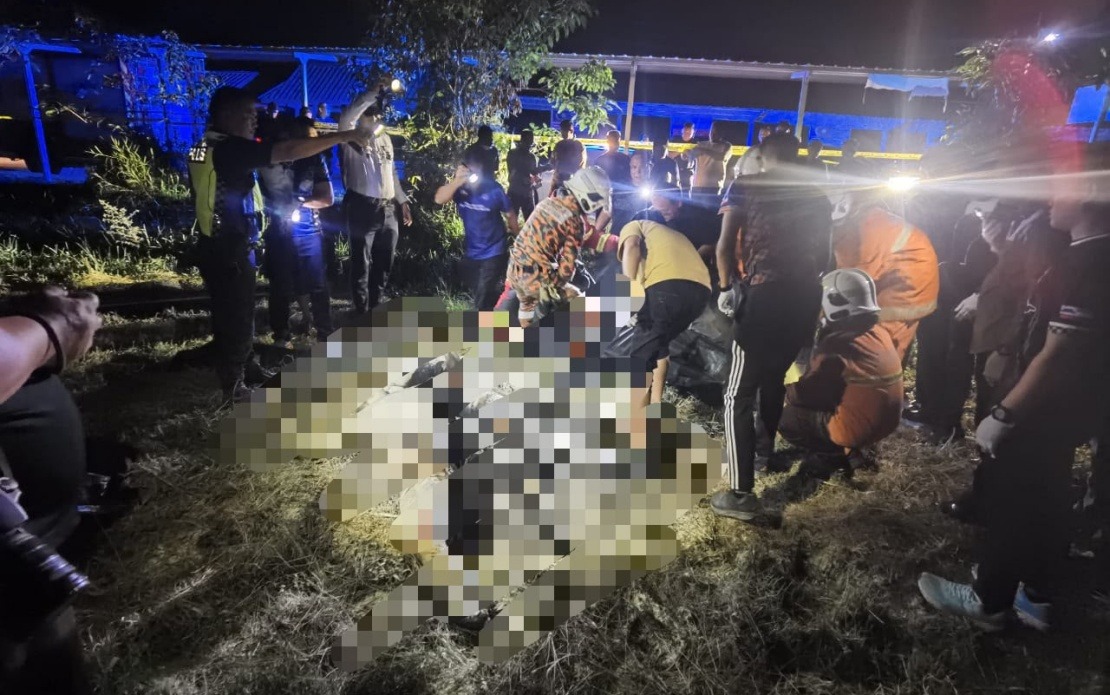
A tragic incident in Beaufort, Sabah claimed the lives of three police officers on Wednesday afternoon when they were believed to have been electrocuted along Jalan Weston in Kampung Weston. The incident unfolded in the late afternoon hours, prompting an immediate emergency response from multiple agencies and sparking widespread attention on social media as bystanders documented the scene.
The Sabah Fire and Rescue Department received notification of the emergency at 5.56 pm, mobilising resources from the Beaufort Fire and Rescue Station. A Fire Rescue Tender carrying seven personnel was dispatched to address the crisis at the location, which sat approximately 28 kilometres from the station. The speed of the response reflected the gravity of the situation, with authorities treating it as a critical incident requiring immediate intervention.
Operations Commander PBK I Irwan Abdul headed the rescue effort, working in coordination with the Royal Malaysia Police and Sabah Electricity representatives. This multi-agency collaboration underscores the complexity of electrocution incidents, which demand specialised knowledge about electrical hazards and safety protocols to manage effectively. The involvement of electricity company personnel proved crucial in assessing the electrical situation at the scene and ensuring the safety of rescue workers.
Social media rapidly amplified news of the tragedy, with multiple videos circulating online within hours of the incident. These recordings captured the aftermath, showing the three victims lying on the roadway with gathering crowds of onlookers and concerned residents. The viral spread of such footage highlights the immediate information ecosystem that surrounds major incidents in Malaysia, though it also raises questions about scene management and the protection of the deceased's dignity.
As of the time of reporting, authorities had not released the identities of the three deceased officers, pending completion of necessary procedures and family notification. The investigation into the precise circumstances remained ongoing, with investigators working to determine exactly how the electrocution occurred and what factors may have contributed to the tragedy. Such investigations are typically conducted by multiple parties, including police investigators, electrical safety experts, and occupational health and safety specialists.
Electrocution incidents along roadways can stem from various causes, ranging from downed power lines following storms or accidents to damaged electrical infrastructure or contact with live wiring during routine operations. The location along Jalan Weston provided few initial clues about the specific trigger, making thorough forensic examination of the scene and surrounding electrical infrastructure essential to understanding what transpired.
The loss of three serving police officers represents a significant tragedy for the Sabah Police contingent and the broader law enforcement community in Malaysia. Such incidents underscore the hazards faced by emergency responders and security personnel who encounter unpredictable and potentially dangerous situations in the course of their duties. The incident will likely prompt reviews of safety protocols and awareness campaigns regarding electrical hazards in public spaces.
For residents in the Beaufort area and throughout Sabah, the incident serves as a sobering reminder of the dangers posed by electrical infrastructure, particularly during adverse weather conditions or when infrastructure deteriorates. Community safety campaigns often follow such tragedies, emphasising the importance of reporting damaged electrical lines and warning others about hazardous areas.
The coordination demonstrated between the fire department, police, and electricity company during the response reflects established inter-agency protocols for handling such emergencies. However, the ultimate goal of preventing loss of life necessitates upstream measures including regular infrastructure maintenance, public awareness initiatives, and workplace safety standards. As investigations proceed, findings may reveal specific preventive measures that could avert similar incidents in future.
The incident also highlights the role of social media in contemporary crisis reporting, with real-time documentation creating both benefits in rapid information dissemination and challenges in managing sensitive situations involving loss of life. Authorities will likely issue further updates as investigations advance and families are formally notified, while the broader questions about electrical safety in public spaces will warrant attention from relevant government agencies and utility providers across the state.

