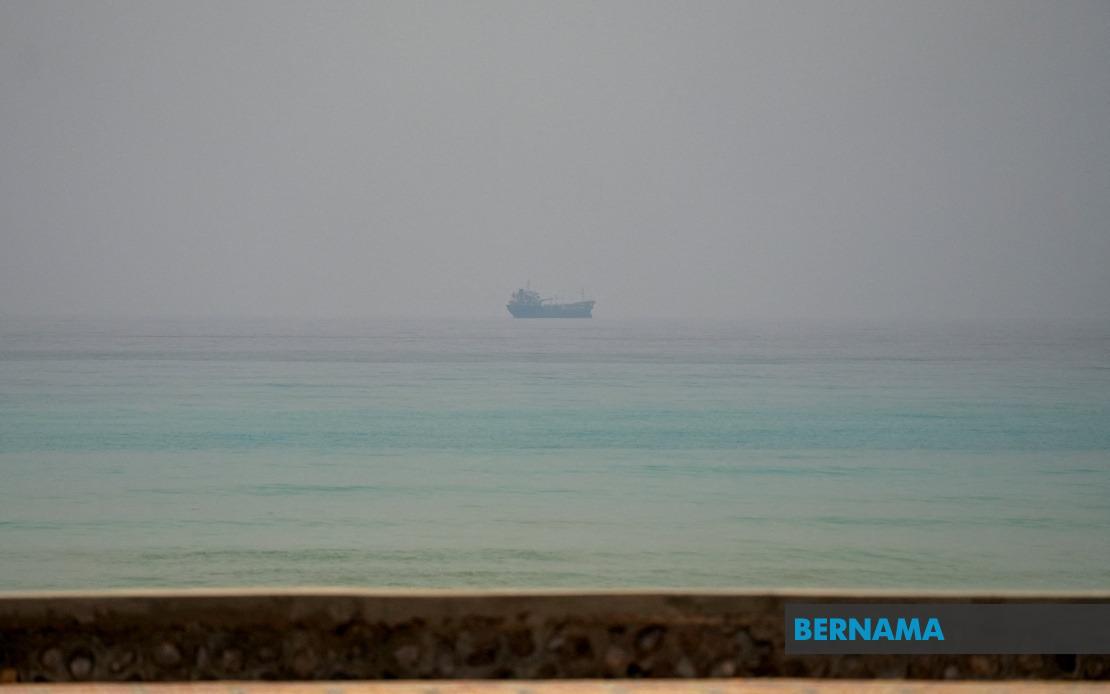
A series of strikes against commercial shipping off the coast of Oman has underscored mounting security concerns in one of the world's most strategically critical maritime corridors. Three oil tankers came under attack in separate incidents on Tuesday, according to Oman's Maritime Security Centre, with the coordinated nature of the attacks raising fresh alarm about navigation hazards and geopolitical tensions in the Persian Gulf region.
The first vessel to be struck was the tanker Stolt Magnesium, which was targeted approximately 40 nautical miles from South Al Sharqiyah Governorate in international waters beyond Omani territorial boundaries. The impact ignited a fire within the ship's engine room, triggering an emergency response. Fortunately, the entire complement of 23 crew members was successfully rescued by a nearby merchant vessel that responded to the distress call. All personnel were reported to be in satisfactory condition following their evacuation.
Two additional tankers were struck in waters adjacent to Musandam Governorate, a region that lies at the entrance to the Strait of Hormuz—the vital waterway through which roughly one-quarter of the world's traded oil transits annually. The Mombasa B sustained a direct hit approximately 8.5 nautical miles offshore, resulting in a complete loss of propulsion capability. The Royal Navy of Oman deployed assets to the scene as the ship's 21-person crew was evacuated by a cooperating vessel, though six crew members sustained injuries of varying degrees during the incident.
The third vessel affected, Al Bahyah, was struck roughly 9.6 nautical miles off Musandam Governorate. Of the 18 crew members aboard, all were successfully removed from the ship by responding naval forces. However, three seafarers remain unaccounted for, prompting ongoing search and rescue operations in the area. ADNOC Logistics & Services, the maritime subsidiary of Abu Dhabi National Oil Company, confirmed that both Al Bahyah and Mombasa B operate under its management and were transiting the Strait of Hormuz when they came under attack. The company reported that one fatality has been confirmed among the affected crew.
The incidents represent a sharp escalation in the pattern of maritime incidents that have plagued the Strait of Hormuz in recent months. The coordinated nature of Tuesday's strikes—targeting multiple vessels within a compressed timeframe across a limited geographic area—suggests a deliberate campaign rather than isolated accidents. The Strait of Hormuz serves as a critical chokepoint for global energy supplies, making attacks on commercial shipping a matter of profound international concern extending far beyond the immediate region.
Oman's Foreign Ministry responded swiftly to the incidents by issuing a formal statement emphasizing the importance of upholding international maritime law and restoring unrestricted freedom of navigation through the waterway. The ministry further stressed the necessity of guaranteeing safe passage for merchant vessels engaged in legitimate commercial operations. This diplomatic messaging reflects Oman's longstanding role as a relatively neutral actor in the volatile geopolitical dynamics of the Arabian Peninsula, though the country remains directly affected by security developments in surrounding waters.
The timing of Tuesday's attacks coincides with elevated tensions between the United States and Iran regarding control and influence over the Strait of Hormuz. The two powers have engaged in escalating exchanges of force and rhetoric in recent weeks, with maritime security becoming an increasingly weaponized dimension of their broader strategic competition. The strikes on the three tankers appear consistent with patterns of hostile activity linked to this rivalry, though neither Washington nor Tehran has formally claimed responsibility.
For Malaysian businesses and shipping companies operating in the Indian Ocean and Persian Gulf regions, the implications are considerable. Malaysia's significant petroleum sector and its reliance on stable maritime trade routes mean that disruptions to shipping lanes and safety deterioration in the Strait of Hormuz directly impact energy supplies and transportation costs. The incidents underscore the vulnerability of commercial operations to geopolitical conflicts originating outside Southeast Asia but extending their consequences across global supply chains.
The rescue operations mounted by Omani authorities and cooperative vessels in the area demonstrated the capacity for rapid maritime response, yet they also highlighted the ongoing danger facing civilian crews navigating contested waters. Insurance premiums for transits through the Strait of Hormuz have already reflected heightened risk perceptions, and Tuesday's incidents will likely further increase the cost of maritime commerce through the channel.
The unresolved status of three missing crew members adds humanitarian dimensions to what is fundamentally a geopolitical confrontation. Search operations were expected to continue throughout Tuesday evening and into subsequent days, with regional maritime authorities coordinating efforts to locate the missing seafarers. The fates of these individuals underscore the human cost of great power competition conducted through disruption of commercial shipping.
Longer-term implications for regional stability remain uncertain. If attacks on commercial vessels persist or intensify, the international community may demand implementation of additional protective measures or technological solutions to ensure safe passage. Insurance companies, shipping associations, and maritime insurers will reassess their risk models for the Strait of Hormuz, potentially redirecting some traffic toward alternative—though significantly longer and more costly—maritime routes around the Arabian Peninsula.

