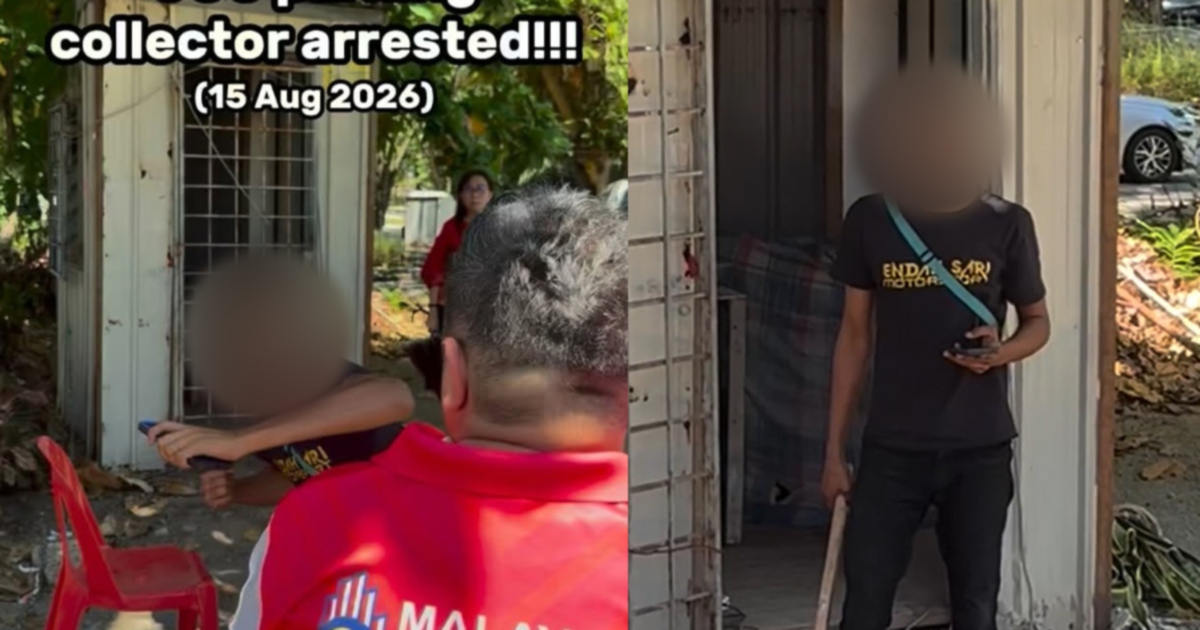
Police in Kuala Lumpur have apprehended three men in connection with the assault of a 38-year-old woman in the Overseas Union Garden area, following her objection to what authorities describe as unauthorised parking fee collection. The incident underscores mounting tensions in residential communities across the capital where informal parking operators continue to operate without proper licensing or oversight.
The confrontation reportedly escalated when the woman challenged the three men about their collection of parking fees within the residential vicinity. Rather than explaining their operations or presenting credentials, the men allegedly responded with physical violence and menacing behaviour, escalating what could have been a simple inquiry into a matter of public concern. The incident has drawn attention to how such encounters frequently become volatile when residents attempt to question the legitimacy of these informal arrangements.
The three arrested individuals now face investigation related to the alleged assault, which authorities have classified as a serious matter requiring immediate police intervention. Beyond the immediate criminal charges they may face, the arrests represent police action against what has become a persistent problem in Malaysian residential areas. Unlicensed parking operators have become commonplace in many urban neighbourhoods, often working without municipal approval or proper accountability structures.
OUG, like many well-established residential neighbourhoods in Kuala Lumpur, has experienced an increase in informal parking management schemes in recent years. These operations typically involve individuals collecting fees from residents or visitors but operate without formal authorisation from city authorities or property management. The lack of transparency surrounding such collections frequently leads to disputes, as residents question whether funds are being properly accounted for or directed toward legitimate maintenance purposes.
The incident highlights a broader challenge facing Malaysian urban communities, where the boundary between tolerable informal arrangements and exploitative practices remains poorly defined. Many residents express frustration at being pressured to pay parking fees to individuals who lack any official credentials or written agreement, yet they often feel powerless to challenge these arrangements. When they do attempt to question such practices, encounters like this one occasionally turn confrontational.
From a policing perspective, the arrests signal that authorities are taking such violence seriously and will not tolerate physical intimidation in connection with parking disputes or fee collection. The message appears intended to deter both unauthorised collectors from resorting to violence and residents from fearing consequences when they challenge illegitimate operations. However, the fundamental issue of how parking should be managed in residential areas remains largely unresolved.
The incident raises questions about property management enforcement in residential developments and the role of building management corporations in preventing such informal arrangements from flourishing. Stronger regulation at the residential complex level, combined with clearer communication to residents about authorised fee collection methods, could potentially reduce similar confrontations. The fact that this woman felt sufficiently concerned to challenge the collectors suggests community awareness of the problem has grown.
For residents across Kuala Lumpur's established neighbourhoods, this case serves as a reminder of the tensions that can arise in communities where informal systems persist. While confronting unauthorised fee collectors takes courage, particularly when they respond aggressively, the alternative of allowing such arrangements to continue unchallenged perpetuates a culture of unaccountability. The three arrests demonstrate that authorities will support residents who attempt to establish legitimate order in their residential spaces.
The incident also illustrates how informal parking arrangements, though sometimes portrayed as community-led solutions to parking pressures, can quickly deteriorate into exploitative situations. Without formal oversight, there is little guarantee that collected fees benefit the community as intended, and residents have minimal recourse if they believe they are being overcharged or their money is being misappropriated. This case demonstrates what happens when informal systems lack transparency and those operating them respond defensively to legitimate questioning.
Moving forward, the outcome of the police investigation and any subsequent legal proceedings will likely set a precedent for how such disputes are handled in the city. It may also encourage building management and local authorities to take firmer positions against unlicensed parking operators and establish clearer, officially sanctioned parking management protocols. For residents who have experienced similar situations, the arrests may provide some reassurance that authorities recognise the problem and are prepared to intervene when violence occurs.

