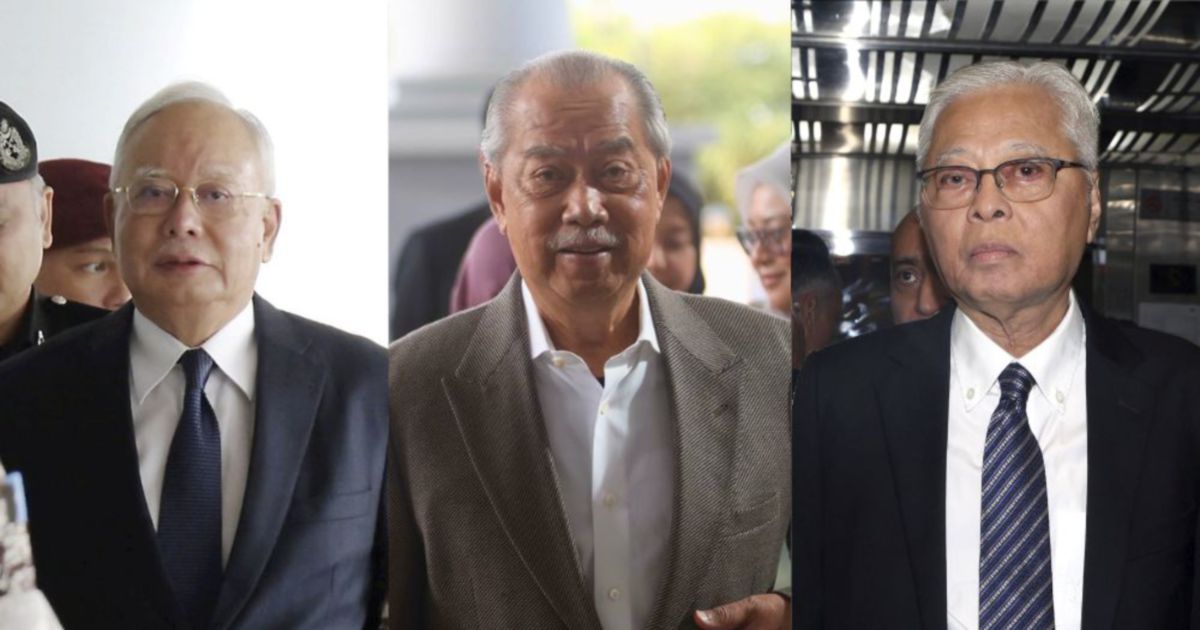
Malaysia's political establishment faces an extraordinary moment of reckoning as three former prime ministers converge on the Kuala Lumpur Court Complex today, each navigating distinct corruption charges that underscore the country's ongoing struggle with accountability at the highest levels of government. The simultaneous court appearances represent a historic junction in the nation's judicial system, rarely witnessed in any democracy, and carry substantial implications for public confidence in both the rule of law and the political class.
The concentration of these cases reflects a broader accountability movement that gained momentum following the 2018 general election, when voters rejected the incumbent administration and paved the way for investigations into alleged financial improprieties spanning multiple administrations. This watershed moment in Malaysian politics prompted law enforcement agencies to pursue cases that had previously remained dormant or unexplored. The convergence today, while coincidental in timing, symbolises a departure from the historical pattern where Malaysia's most senior political figures often escaped serious legal scrutiny once they left office.
For Malaysian citizens, this development carries profound significance regarding institutional integrity. The visibility of former leaders standing before the courts sends a signal that even those who wielded the nation's highest executive power are not exempt from judicial oversight. This represents a critical test of whether Malaysia's legal system can operate independently and fairly, regardless of the political stature of the accused. Public perception of judicial fairness hinges substantially on how these cases are conducted and resolved.
The concurrent scheduling of these hearings presents logistical and symbolic challenges for the judiciary. Managing three major political figures' court appearances simultaneously requires careful coordination, and the media attention generated inevitably raises questions about courtroom impartiality and the protection of each defendant's right to fair proceedings. The complexity deepens given the interconnected nature of Malaysia's political landscape, where personal relationships and factional allegiances continue to influence perception of legal processes.
From a regional perspective, Malaysia's handling of these cases will be observed carefully by other Southeast Asian democracies grappling with similar questions about political accountability and institutional strength. Nations throughout the region face recurring challenges in maintaining independent judiciaries capable of investigating high-level corruption without succumbing to political pressure. The Malaysian experience offers crucial lessons about the feasibility and mechanics of prosecuting former leaders in developing democracies.
The cases themselves likely involve complex financial investigations spanning multiple years, with potentially dozens of witnesses, extensive documentary evidence, and intricate questions about the nature of criminal liability for actions taken during official capacities. Each case presents distinct legal challenges, and the outcomes will establish precedents affecting how Malaysian courts approach similar matters in future. The financial dimensions of these investigations are particularly significant, given the sums involved and the implications for national development resources.
Transparency in these proceedings remains essential for maintaining public trust. Malaysian citizens deserve clear information about the charges, the evidence, and the judicial reasoning behind any outcomes. Media coverage and court accessibility therefore serve not merely as technical requirements but as fundamental components of democratic legitimacy. The reputation of Malaysia's legal system rests substantially on its capacity to conduct these proceedings with both rigour and openness.
The political ramifications extend beyond the courtroom. These cases occur within an evolving landscape of Malaysian coalition politics, where various factions maintain differing positions regarding accountability measures and transitional justice. Opposition figures, government allies, and independent observers will scrutinise these proceedings through divergent ideological lenses, each interpreting outcomes according to their political interests. This reality underscores the inherent difficulty in separating judicial processes from political context in polarised democracies.
The outcomes of these cases will likely influence future political behaviour and public expectations regarding accountability. If convictions result, they would reinforce the principle that high office provides no immunity from prosecution. Conversely, acquittals or dismissals might generate public cynicism about the judicial system's capacity to hold the powerful accountable. Either scenario carries weight for Malaysia's long-term institutional development and democratic credibility.
Looking ahead, Malaysian policymakers and civil society organisations must consider how these precedents inform future governance frameworks. Potential reforms to campaign financing regulations, asset declaration requirements, and prosecutorial oversight could help prevent similar controversies. The international community, including development partners and multilateral institutions assessing Malaysia's governance capacity, will monitor these developments closely as indicators of institutional maturity.
Today's court appearances represent more than procedural formalities; they constitute a defining moment for Malaysia's democratic institutions and the rule of law. The judiciary's handling of these complex cases will demonstrate whether accountability mechanisms function equitably regardless of the defendant's former status. Success requires not only sound legal judgement but also careful management of public perceptions, transparent communication, and unwavering commitment to procedural fairness. The precedent established today will reverberate through Malaysian politics and governance for years to come.

