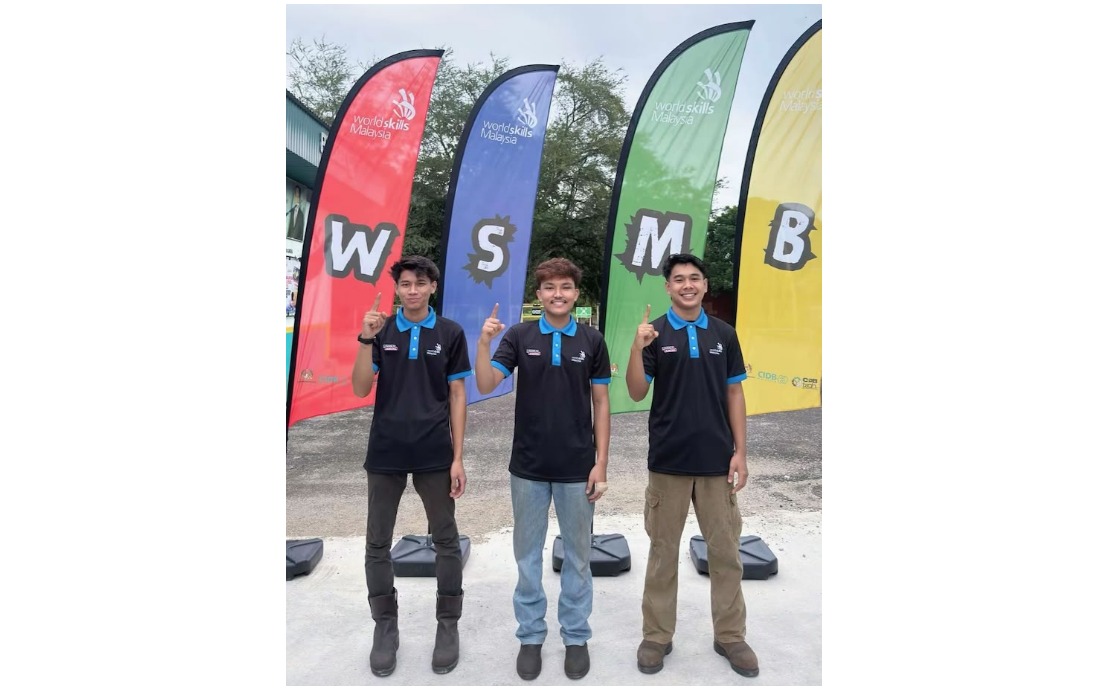
WorldSkills Malaysia Belia, operating for more than three decades under various identities, has maintained its core mission of identifying and developing exceptional technical talent within Malaysia's construction sector. Originally conceived during the tenure of the fourth Prime Minister Tun Dr Mahathir Mohamad as the Malaysian Skills Champion Competition, the initiative has undergone several transformations—becoming the Anugerah Tangan Emas Perdana Menteri from 1991 to 2006, evolving into MySkills between 2007 and 2013, and adopting its current WorldSkills Malaysia Belia designation since 2014. These rebranding efforts reflect not merely administrative changes but strategic shifts in how Malaysia approaches skills development and international competitiveness.
The programme's structure demonstrates sophisticated understanding of how competitive environments can accelerate professional growth. Those who achieve champion status undergo intensive development and training regimens specifically calibrated to prepare them for representing Malaysia at the WorldSkills international competition—a prestigious global platform that attracts competitors from countries worldwide. This pathway transforms individual achievement into national representation, creating powerful motivation for participants to push beyond conventional standards and embrace excellence as a personal and collective aspiration.
Implementation occurs through partnerships with accredited training institutions, notably the Malaysian Construction Academy and CIDB Technologies, both designated as CIDB-certified centres possessing training infrastructure and facilities that align with international benchmarks. This institutional framework ensures that participants receive tuition in environments replicating actual professional conditions rather than theoretical classroom settings divorced from industry reality. The investment in physical infrastructure and technological systems reflects recognition that skills development demands appropriate equipment and contemporary tools—participants cannot excel with outdated machinery or inadequate facilities.
Mohd Hafiz Dasahi, chief executive of CIDB Technologies, articulates a vision extending beyond competition mechanics toward systemic industrial transformation. He positions WSMB as fundamentally concerned with cultivating a generation of construction professionals capable of driving the sector's modernisation and sustained competitiveness. The emphasis on talent development as foundational to national economic strength resonates particularly in Southeast Asia's context, where demographic shifts and technological disruption demand continuous workforce renewal. Malaysia's construction industry, facing skills shortages and pressure to adopt advanced technologies, depends on programmes precisely like WSMB to supply capable professionals.
Programme design emphasises comprehensive assessment methodologies that evaluate multiple dimensions of professional capability. Zarulhakim Abdul Rahim, heading CIDB Technologies' welding operations, describes evaluation criteria encompassing measurement precision, workmanship quality, procedural compliance, temporal management, analytical problem-solving, and occupational health and safety adherence. This multifaceted assessment reflects understanding that technical competence alone proves insufficient—professionals must demonstrate discipline, safety consciousness, and ability to work within regulatory frameworks. Beyond technical skill acquisition, participants develop psychological and professional attributes including self-confidence, resilience, and commitment to continuous improvement—intangible qualities that distinguish exceptional workers from merely competent ones.
Industry collaboration strengthens the programme's relevance and authenticity. Companies such as Lincoln Energy and Vinxus Mark invest in WSMB by providing welding equipment, consumables, and technical mentorship, recognising that supporting talent development serves their long-term workforce interests. Putra Faisal Ashraf Idris emphasises that industry stakeholders bear shared responsibility for developing skilled workers capable of utilising contemporary technology according to current specifications. This collaborative model creates virtuous cycles where training institutions remain attuned to evolving industry needs, while companies benefit from graduates already experienced with equipment and processes they will encounter professionally. For construction, manufacturing, oil and gas, energy, and maritime sectors, WSMB thus functions as ecosystem-strengthening mechanism rather than isolated educational initiative.
Participant testimonies reveal how WSMB catalyses individual trajectories while addressing broader workforce development imperatives. Ahmad Syafie Dasuki, twenty years old from Kelantan, describes how nearly two years' workshop experience in Terengganu provided initial welding exposure, which WSMB subsequently systematised and elevated through exposure to latest technologies and methodologies. The programme functions as accelerant, converting practical experience into structured, internationally-oriented competence. His participation demonstrates how WSMB captures emerging talent already gravitating toward construction fields, then channels that inclination toward excellence rather than merely adequate performance.
Muhammad Fazran Md Rashid from Kedah illustrates how competitive environments cultivate psychological development alongside technical mastery. His emphasis on building self-confidence, discipline, and resilience alongside welding proficiency suggests that WSMB participants leave competitions transformed not merely as technicians but as professionals possessing mindsets conducive to continuous learning and performance improvement. Working for a welding company whilst advancing through WSMB, he exemplifies integration of practical employment and competitive skill development—a model increasingly relevant as industries demand workers capable of adapting to technological change throughout their careers.
Mohd Sahmi Irfan Sulaimi from Terengganu articulates WSMB's broader appeal as pathway to enhanced career prospects, professional networks, and knowledge acquisition from recognised experts. His exhortation that other youth embrace the competition reflects awareness that Malaysia faces acute competition for skilled workers across multiple sectors. Programmes like WSMB represent crucial mechanisms for mobilising young talent, channelling ambition toward construction and related fields where Malaysia's regional economic interests concentrate heavily. His emphasis on transforming challenges into learning opportunities captures competitive spirit essential for professional excellence in increasingly demanding global markets.
The programme's endurance across thirty-six years, surviving multiple governmental administrations and industry transformations, testifies to its institutional value and political cross-party support. Construction industry development, skills competitiveness, and workforce quality transcend conventional political dividing lines—successive administrations have recognised that national development depends on technical talent pipeline continuity. WSMB's continuation thus reflects consensus that investment in youth skills development yields returns across multiple dimensions: individual career advancement, sectoral competitiveness, and broader economic development.
Looking forward, WSMB's role intensifies as construction and related sectors confront accelerating technological change. Automation, digitisation, and advanced manufacturing techniques create demand for workers who understand both traditional craftsmanship and cutting-edge technologies. Programmes maintaining participants' exposure to latest innovations whilst preserving fundamental skill mastery position Malaysia's workforce advantageously. The competition model, emphasising excellence against measurable standards and international benchmarks, cultivates competitive mindset increasingly necessary as Malaysian workers compete globally for positions in multinational corporations and export-oriented industries.
Regional significance extends beyond Malaysia's borders, as Southeast Asian economies confront similar skills development challenges. Nations throughout the region observe how Malaysia structures talent identification and development, potentially adopting or adapting comparable models. WSMB's emphasis on industry partnership, international standards alignment, and competitive excellence provides template for regional skills development thinking. As construction and manufacturing sectors drive Southeast Asian growth, particularly amid investments in infrastructure and industrial development, systematic approaches to identifying and nurturing technical talent become strategic imperatives for multiple countries.
The testimonials from contemporary WSMB participants underscore programme's continued resonance with youth seeking purposeful career pathways. Unlike conventional education emphasising theoretical knowledge, WSMB provides competition experience, industry mentorship, and validated skill certification that employers immediately recognise and value. For young Malaysians navigating career choices, WSMB offers alternative to university pathways without sacrificing prestige or international recognition—excellence in WorldSkills competitions carries particular prestige among construction and manufacturing employers globally. This positioning increasingly attracts capable youth who might otherwise view technical careers as inferior alternatives to white-collar professions, addressing Malaysia's persistent skills orientation challenges.
Continuing WSMB's evolution requires sustained institutional investment, industry engagement, and political commitment to skills development as national priority. The programme's thirty-six year trajectory suggests Malaysian policymakers understand that technical workforce excellence cannot emerge accidentally but demands purposeful cultivation through structured opportunities, quality training environments, and recognition systems celebrating craftsmanship and technical mastery. As Malaysia navigates post-pandemic economic restructuring and regional competitive dynamics, programmes systematically developing skilled construction and technical professionals remain foundational to sustained economic performance and rising living standards across the nation.

