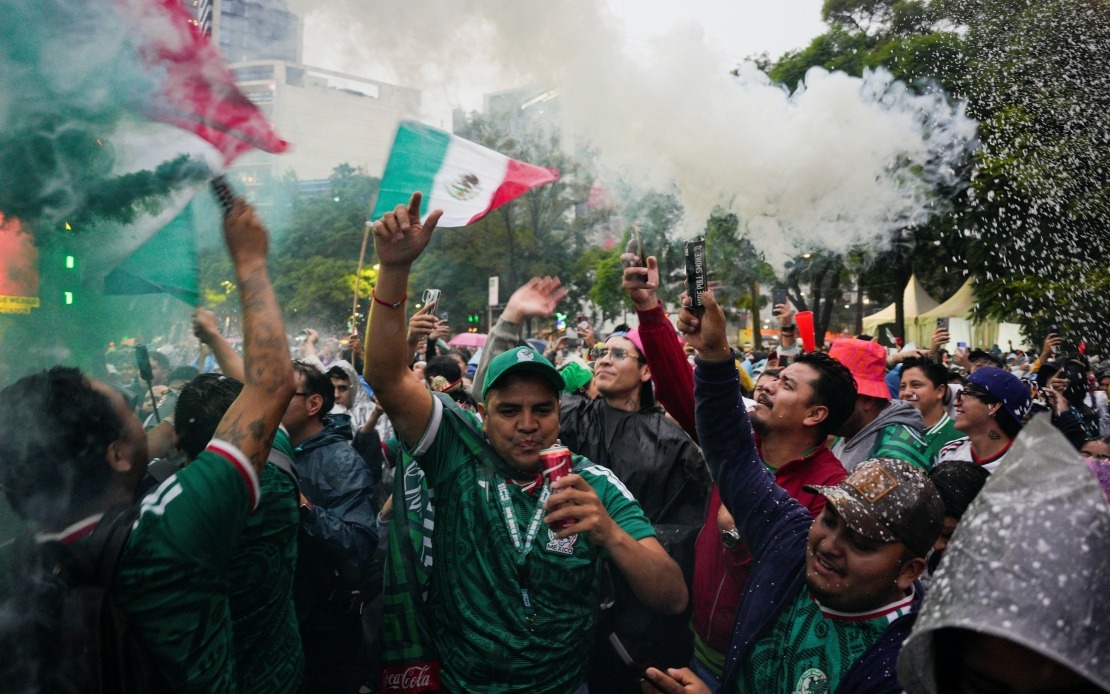
Mexico's progression to the knockout rounds of the World Cup turned tragic when three people lost their lives during street celebrations in Mexico City on Tuesday evening. The deaths occurred in separate locations near Paseo de la Reforma, the capital's main thoroughfare, as supporters gathered to commemorate the national team's convincing 2-0 victory over Ecuador at the Estadio Azteca. The victims—a 44-year-old man, a 19-year-old woman, and a 48-year-old woman—all died from asphyxiation according to the city's public health authority, highlighting the dangers that can accompany mass gatherings and uncontrolled crowd movements.
Mexico's qualification means the team has advanced further in the tournament and could potentially face England in a round of 16 clash at the same venue, the Estadio Azteca, if Thomas Tuchel's side manages to overcome DR Congo in their upcoming fixture on Wednesday. The prospect of hosting such a high-profile knockout match has intensified excitement among Mexican fans, though the tragic deaths serve as a sobering reminder of the responsibilities that come with large-scale celebrations in densely populated urban areas.
Clara Brugada, who leads the Mexico City government, responded swiftly to the incident, acknowledging the emergency services' immediate response to reports of three individuals becoming unconscious at different points around Paseo de la Reforma. In her statement posted on social media platform X, Brugada confirmed that all available medical response protocols were activated by the city's emergency teams. Despite these efforts, the interventions proved unsuccessful, and all three individuals succumbed to their injuries at the scene or shortly thereafter.
The incident raises critical questions about crowd management and safety during major sporting events, particularly in a city with Mexico City's population density and history of large public gatherings. Street celebrations following major sporting victories have become a cultural norm in Mexico, reflecting the nation's deep passion for football. However, the asphyxiation deaths suggest that celebratory crowds can quickly become hazardous if proper safety measures and crowd control mechanisms are not rigorously implemented. Emergency responders in Mexico City and other major urban centres across Latin America may need to develop more sophisticated protocols for managing celebrations around major international sporting events.
Brugada extended her condolences to the families of the deceased, emphasizing that the city government was establishing direct contact with the victims' loved ones to provide comprehensive support and assistance during this difficult period. Her statement also included a broader appeal to the public, urging citizens to celebrate responsibly and with consideration for the safety and wellbeing of others in their immediate vicinity. This messaging reflects an attempt to balance the city's commitment to respecting public mourning while still encouraging supporters to continue backing their national team throughout the tournament.
For Malaysian and Southeast Asian observers, the incident underscores a persistent challenge facing sports-mad nations across different continents—the need to channel collective enthusiasm and national pride in ways that do not endanger citizens. Major tournaments generate intense emotional responses, and while celebratory gatherings are inevitable, authorities must invest in infrastructure, training, and coordination to prevent tragedies. The incident also demonstrates how quickly a joyful moment can transform into a humanitarian crisis when crowd dynamics go unmanaged.
The Mexico City deaths represent a reminder that large public celebrations, while expressing legitimate national sentiment, require careful planning and execution. The asphyxiation mechanism suggests overcrowding or crushing, phenomena well-documented at music festivals, sporting events, and other mass gatherings worldwide. Engineering proper ingress and egress points, maintaining clear pathways, and deploying trained crowd management personnel are not merely administrative conveniences but essential safety measures that can mean the difference between life and death.
As Mexico continues its World Cup campaign, the government in Mexico City will need to reconcile the desire to allow public celebration with the imperative to protect citizens. Should Mexico advance further in the tournament, particularly if they face England at the Estadio Azteca, another surge of celebrations can be expected. The challenge will be preserving that joy while ensuring that future gatherings do not result in additional casualties. Enhanced coordination between municipal authorities, emergency services, and local law enforcement may be necessary to prevent a recurrence of this tragedy.
The incident also carries implications for how host nations and major cities prepare for sporting events that ignite popular enthusiasm. Beyond stadium security and match organization, authorities must consider the behavior and safety of supporters celebrating in public spaces far from official venues. Mexico's experience demonstrates that the World Cup's impact extends well beyond the football pitch and into the fabric of urban life, requiring holistic approaches to public safety that encompass both traditional policing and innovative crowd management strategies designed to protect lives while respecting citizens' right to celebrate their nation's achievements on the world stage.

