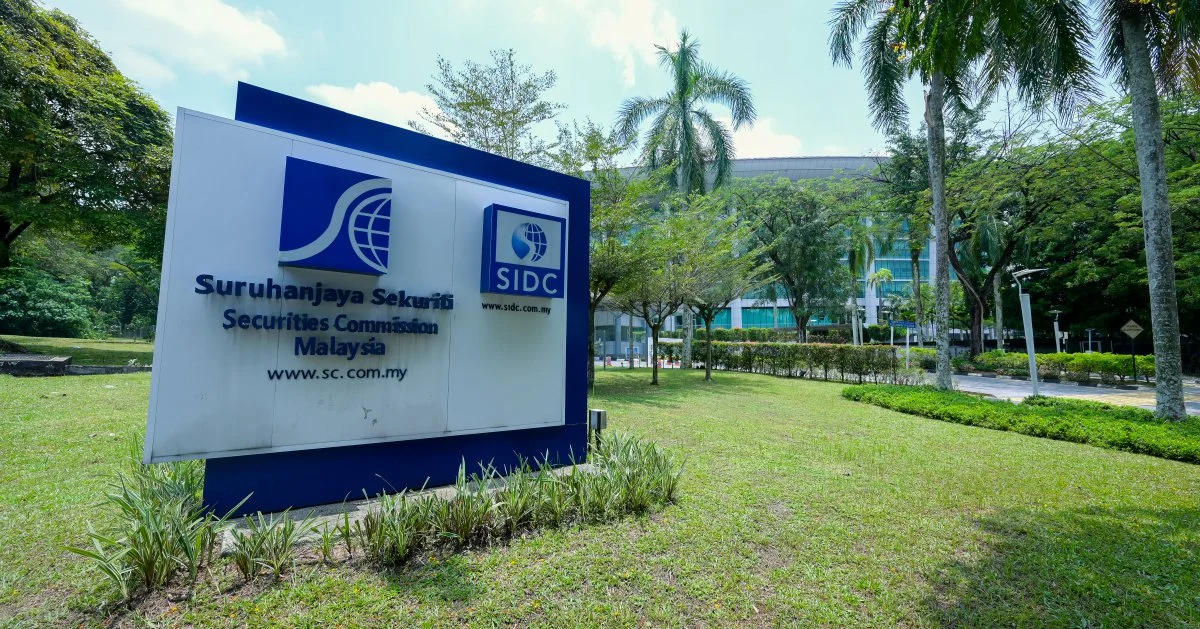
A crackdown on unlicensed financial activities in Malaysia has claimed three brothers, each facing separate charges in Kuala Lumpur Sessions Courts for conducting capital market operations without proper authorisation. The Securities Commission announced the enforcement action, signalling continued vigilance against unregistered participants attempting to solicit investments from the Malaysian public.
The simultaneous prosecution of three family members for similar offences underscores the scale and organised nature of unlicensed market activity in Malaysia. Such cases typically involve individuals or syndicates attempting to circumvent regulatory frameworks by offering investment services or products to retail investors without holding the necessary licences or approvals from the Securities Commission. This type of activity poses significant risks to unsuspecting consumers who may lack the institutional safeguards and regulatory protections afforded by licensed operators.
Unlicensed capital market activities represent a persistent challenge for Malaysia's financial regulator. Without proper oversight and authorisation, these operations operate outside the surveillance and compliance systems designed to protect investors. The Securities Commission has increasingly prioritised detection and prosecution of such cases, recognising that unregulated market participants can exploit information asymmetries and investor trust to conduct schemes that ultimately harm retail investors.
The decision to prosecute the brothers across three separate sessions court proceedings suggests the extent of their alleged involvement. Each individual charge typically relates to specific instances or patterns of unlicensed conduct, such as soliciting investment commitments, managing client funds, or providing financial advice without holding appropriate credentials. This layered approach to prosecution strengthens the regulatory body's position by building multiple lines of evidence against each defendant.
Malaysia's capital market framework places strict licensing requirements on any entity or individual seeking to conduct securities business. The Financial Services Act 2013 and Securities Commission Act 1993 establish comprehensive regulatory requirements that brokers, dealers, fund managers, and financial advisers must meet before offering services to the public. Compliance with these frameworks is essential for maintaining market integrity and investor confidence in Malaysia's financial ecosystem.
The Securities Commission's enforcement efforts have grown more sophisticated in recent years, employing data analytics and market surveillance tools to identify suspicious patterns of investment solicitation and fund flows. Detection of unlicensed operators often begins when consumer complaints are lodged or when unusual capital movement patterns trigger regulatory alerts. Once identified, the commission works with law enforcement and the courts to establish culpability and seek appropriate sanctions.
Investors who engage with unlicensed operators face considerable risks beyond financial loss. Compensation mechanisms and recovery frameworks typically apply only to transactions conducted through licensed entities. Victims of unlicensed investment schemes often find themselves with limited legal recourse and minimal prospects for fund recovery, as perpetrators may have dissipated proceeds or operated across multiple jurisdictions to evade detection.
The broader context of financial crime in Southeast Asia reveals that unlicensed market activities frequently overlap with other illicit operations. Proceeds from investment fraud may fund other criminal enterprises, while unlicensed operators sometimes use sophisticated methods to appear legitimate, including fake websites, fraudulent credentials, and impersonation of licensed firms. The three-brother case likely reflects investigative findings that extended beyond simple unauthorised trading into potentially coordinated fraudulent conduct.
Regulatory authorities across the region have increased cooperation to combat cross-border unlicensed market activities. Given Malaysia's position as a significant financial centre, with sophisticated investors and substantial capital flows, the nation has become both a target for unlicensed operators and a jurisdiction where perpetrators may operate to solicit funds from neighbouring countries. Enhanced information-sharing and coordinated enforcement between the Securities Commission and counterparts in Singapore, Indonesia, Thailand, and other regional partners strengthens detection and prosecution capabilities.
The implications of this enforcement action extend beyond the three defendants. Public prosecutions of unlicensed market operators serve an important deterrent function, signalling to potential offenders that the Securities Commission actively pursues such violations. Media coverage of court proceedings also educates retail investors about warning signs of unlicensed operators, including unsolicited investment pitches, promises of guaranteed returns, pressure to invest quickly, and reluctance to provide verifiable credentials or registration details.
Consumer awareness campaigns launched by the Securities Commission alongside enforcement actions seek to reinforce the importance of verifying any financial adviser or investment service provider's licensing status through official directories and registries. The commission maintains publicly accessible databases allowing individuals to confirm whether specific entities or persons hold valid authorisation before committing funds to any investment opportunity.
Moving forward, the prosecution of the three brothers represents a data point in Malaysia's ongoing effort to maintain market discipline and protect investors from predatory unlicensed operators. The Securities Commission's sustained focus on enforcement, combined with enhanced regulatory technology and investor education, aims to create an environment where unlicensed market activities become increasingly difficult to sustain. However, the persistence of such cases suggests that unlicensed operators continue to identify and exploit vulnerable or insufficiently cautious retail investors throughout the region.

